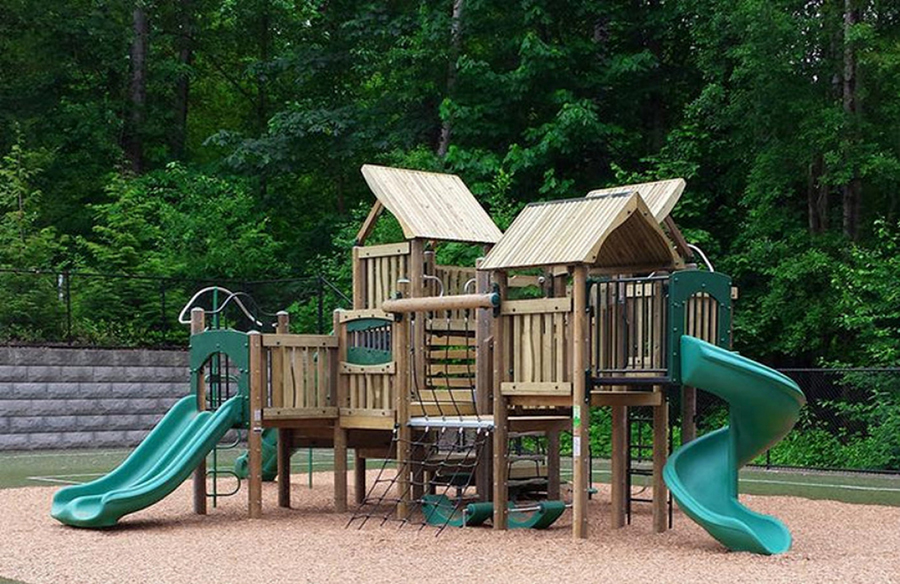
As urban landscapes evolve, the role of public playgrounds has transformed from simple recreational spaces into sophisticated environments that nurture child development and community connection.
Modern playground design integrates multi-sensory elements, inclusive features, and nature-inspired components to create dynamic spaces that engage children of all abilities and developmental stages.
The thoughtful fusion of traditional play structures with innovative design elements promotes physical activity and fosters crucial social interactions and cognitive development in our youngest community members.
Versatile Features That Drive Engagement
Modern playground design has transformed from basic structures into dynamic spaces that spark imagination and promote active play.
Strategic integration of diverse equipment creates environments where children can explore, learn, and develop essential physical skills. Installation of high-quality playground equipment combines traditional elements with innovative features to provide engaging experiences for young minds.
Compelling data backs up the effectiveness of contemporary playground design. Modern playgrounds attract 2.5 times more users than conventional layouts while encouraging nearly triple the amount of vigorous physical activity.
Research from the National Library of Medicine supports these findings, demonstrating the tangible benefits of thoughtful playground design:
“Play is considered fundamental for child development as it helps children develop social, academic, and personal competencies.”
This significant increase in engagement showcases the importance of incorporating varied play elements that cater to different age groups and abilities.
Here’s how versatile features enhance the playground experience:
- Multi-sensory zones with tactile surfaces and interactive panels
- Traditional equipment like slides and swings reimagined with modern safety features
- Adventure play areas that challenge motor skills and build confidence
- Social spaces that encourage group interaction and cooperative play
- Quiet areas for children who need sensory breaks or prefer independent activities
Incorporating these diverse elements creates a balanced environment where children naturally gravitate toward activities that match their developmental stage and interest level.
This thoughtful approach to playground design ensures that every visit offers fresh discovery and physical growth opportunities.
Accessible Play for All Abilities
Inclusive playground design creates spaces where children of all abilities can play, learn, and grow together. Modern playgrounds incorporate universal design principles beyond basic accessibility requirements, fostering genuine social connections and shared experiences.
Physical barriers disappear through thoughtful integration of ramps, transfer platforms, and ground-level activities that welcome children with different mobility needs. Here’s what makes a playground truly inclusive:
- Wide, smooth pathways with gentle slopes for wheelchair access
- Multi-height play equipment accommodating different physical capabilities
- Sensory-rich elements like textured surfaces and musical features
- Quiet zones for children with sensory sensitivities
- Safety surfaces that support mobility devices while providing fall protection
Social interaction zones play a vital role in creating meaningful connections between children of different abilities. The United Nations International School of Hanoi highlights the developmental benefits of collaborative play environments:
“Children who engage in social interactions from an early age develop better language skills.”
Incorporating gathering spaces with adequate seating near play areas encourages family participation and supervision. Adaptive equipment, such as specialised swings and climbers, enables children with physical challenges to enjoy the same thrilling experiences as their peers.
These thoughtful design choices create an environment where every child feels valued and included in the playground community.
Nature-Inspired Experiences to Enhance Wellbeing
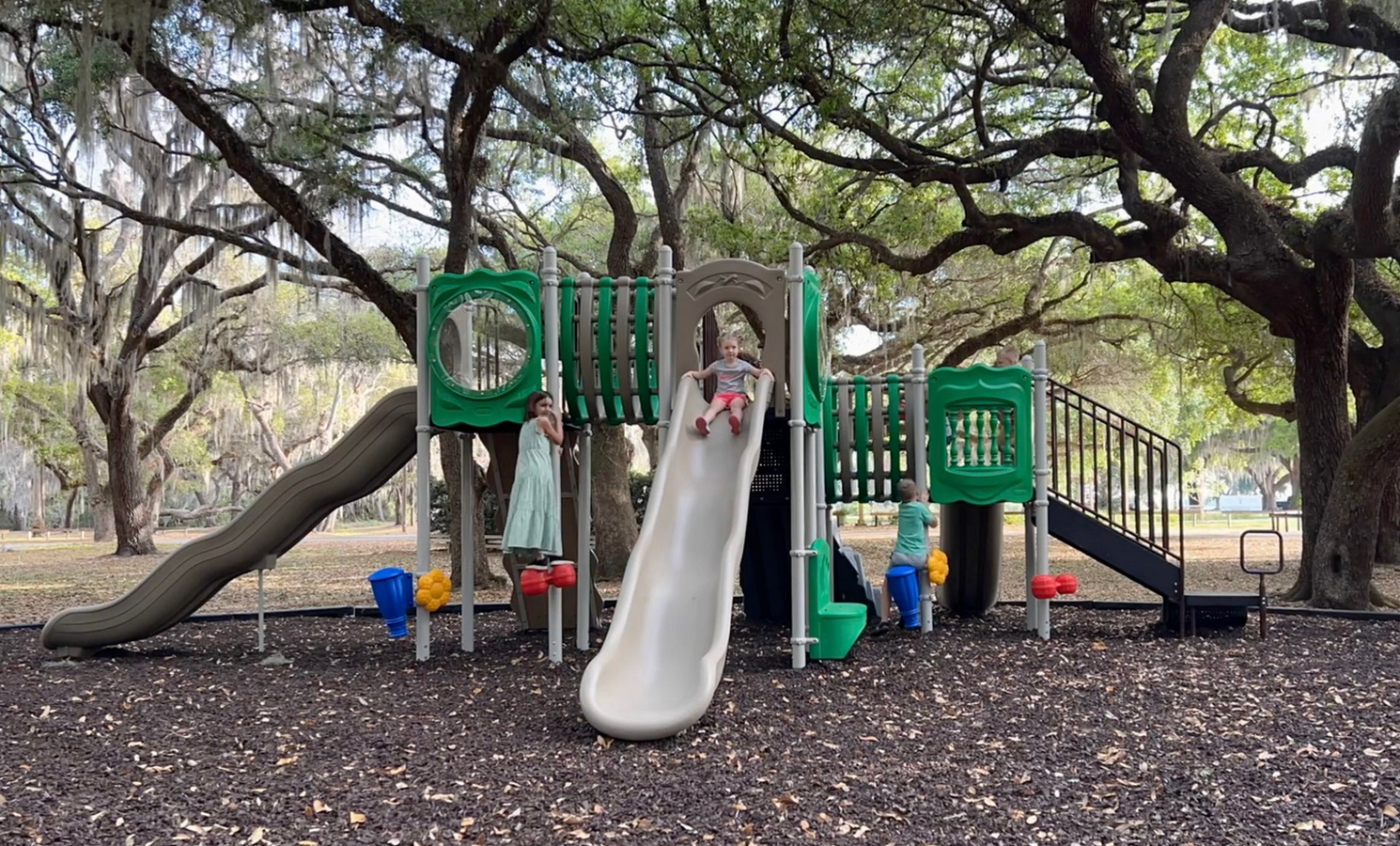 Natural elements in playground design create immersive environments that spark imagination and encourage exploration. Sand pits, wooden structures, and water features blend seamlessly to form dynamic play spaces that connect children with nature.
Integrating these organic materials enhances aesthetics and fundamentally shapes how children interact with their surroundings and develop their motor skills. Additionally, mature trees can double park visitation rates, proving the profound impact of thoughtful landscaping.
The incorporation of natural elements offers several key benefits for playground design:
- Enhanced sensory development through varied textures and materials
- Improved environmental awareness and nature appreciation
- Sustainable design practices that reduce environmental impact
- Creation of comfortable microclimates through natural shade
- Increased opportunities for creative play and problem-solving
These nature-based design elements foster a deeper connection between children and their environment while promoting physical activity and social interaction. The strategic placement of trees and vegetation creates natural boundaries and play zones while providing essential shade and comfort for families spending time outdoors.
Stimulating the Senses and the Imagination
Modern playground design prioritises multi-sensory engagement through carefully selected features that spark creativity and learning.
Textured surfaces, vibrant colour schemes, and interactive sound elements create rich experiences that support children’s natural development patterns. These design elements encourage youngsters to explore their environment while building essential cognitive skills.
The strategic integration of dynamic play spaces helps shape how children interact with their surroundings. By incorporating non-linear pathways and varied terrain, playgrounds create spontaneous discovery and physical challenge opportunities.
Several key elements enhance sensory stimulation in playground environments:
- Textured climbing walls and tactile panels that develop fine motor skills
- Musical instruments and sound-making features that encourage auditory exploration
- Hidden alcoves and curved pathways that promote spatial awareness
- Nature-inspired elements that connect children with organic textures and materials
- Interactive panels with moving parts that support cause-and-effect learning
These sensory-rich environments create meaningful connections between children and their play spaces. The varied experiences help form positive associations with outdoor activity, encouraging regular physical activity and social interaction while supporting crucial developmental milestones through natural, child-led exploration.
Reflecting Community Identity Through Unique Design
Public playgrounds serve as vital social anchors where local culture comes alive through thoughtful design elements. Custom art installations, murals, and sculptural pieces transform standard play spaces into distinctive community landmarks celebrating neighbourhood heritage.
These creative touches help forge deeper connections between residents and their shared recreational spaces.
Integrating site-specific narratives into playground design creates meaningful experiences that resonate with the community. For example, incorporating elements that reflect local history, wildlife, or geography helps children develop a stronger sense of place while they play and learn.
This approach makes playground equipment more than merely functional, as it becomes a storytelling medium that sparks imagination and builds community pride.
Key elements that strengthen community identity in playground design:
- Cultural artwork and designs that represent local heritage
- Native plants and materials that reflect regional character
- Interactive elements that teach about neighbourhood history
- Gathering spaces that encourage social connection
- Comfort amenities like shaded seating areas and water fountains
Strategic placement of practical features supports extended play sessions and frequent visits. Well-positioned benches give caregivers clear sight lines while maintaining proximity to play zones.
Thoughtful inclusion of lighting, waste bins, and shelter areas demonstrates commitment to creating welcoming spaces that serve diverse community needs throughout the day.
Design Impact & Innovation
Modern playground design has revolutionised public spaces by integrating diverse elements promoting physical activity, social interaction, and cognitive development.
The evolution from basic structures to multi-sensory, inclusive environments represents a significant advancement in creating spaces that serve all community members while fostering essential developmental skills.