As urban living spaces continue to shrink and lifestyle needs become more dynamic, the evolution of modular furniture represents a pivotal shift in how we conceptualise our living environments.
The convergence of technological innovation and changing consumer preferences has catalysed the development of adaptive furnishing solutions that seamlessly transform spaces from home offices to entertainment areas within moments.
The furniture industry’s response to these evolving needs has manifested in creating versatile, sustainable designs that maximise limited square footage and align with the growing demand for environmentally conscious living solutions while maintaining aesthetic appeal.
Rising Interest in Adaptable Living Solutions
Modern urban dwellers face unique challenges in making the most of their living spaces. The surge in flexible furniture solutions responds directly to these evolving lifestyle needs, offering ways to maximise limited square footage.
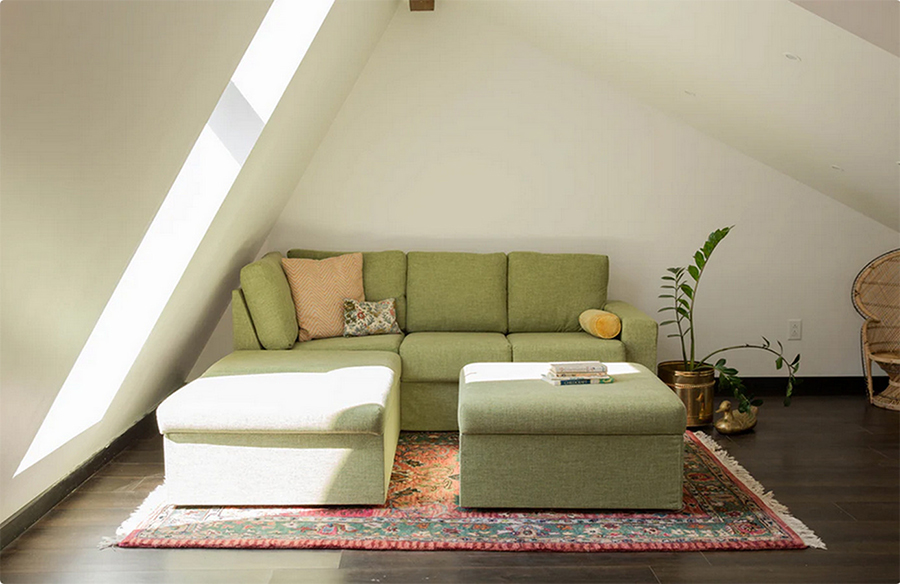
People who live in compact spaces can now transform their homes with space-saving modular ottoman designs that serve multiple purposes while maintaining style and comfort.
The interior design industry has seen remarkable changes in consumer preferences, with adaptable furnishings becoming increasingly popular. These innovative pieces help create dynamic environments that can shift from home offices to entertainment spaces within minutes.
Several factors have contributed to this growing trend in modular furniture:
- Rising urbanisation and smaller living spaces
- Remote work requirements demand flexible home setups
- Environmental consciousness is pushing for long-lasting, multipurpose items
- Cost-effectiveness of adaptable furniture solutions
The demand for space-saving solutions continues to rise as more people embrace minimalist lifestyles.
Furniture manufacturers have responded by developing pieces that combine functionality with aesthetic appeal, creating options that work in various room configurations and serve multiple purposes throughout the day.
Market Forces Accelerating Growth
The modular furniture sector has gained substantial momentum, driven by changing consumer preferences and market dynamics.
The industry’s expansion stems from the rising demand for versatile living solutions, with increased wood purchasing transforming manufacturing patterns and supply chains. This shift has created a more integrated market where local artisans and mass producers collaborate effectively.
These transformations have sparked several key market developments that are reshaping the industry landscape:
- Integration of traditional carpentry skills with modern manufacturing techniques
- Enhanced quality control through standardised production processes
- Improved supply chain efficiency between manufacturers and retailers
- Better price competitiveness due to streamlined operations
- Increased product customisation options for consumers
The surge in consumer interest has prompted manufacturers to adapt their strategies, focusing on product innovation and market accessibility. Small-scale producers have started incorporating advanced technologies while maintaining craftsmanship quality.
This blend of traditional expertise and contemporary methods has created a dynamic marketplace that caters to diverse consumer needs while maintaining competitive pricing structures.
Evolving Demographics and Changing Lifestyles
The rise of nuclear families has created unique demands for space-efficient solutions that adapt to smaller living areas. A notable transformation in consumer behaviour shows that improved purchasing power is reshaping how people furnish their homes, driven by higher disposable incomes.
The digital revolution has made modular furniture accessible to consumers in previously untapped markets. E-commerce platforms have broken geographical barriers, allowing customers in remote areas to browse and purchase contemporary designs.
This accessibility and rising urban population density have created a perfect environment for modular furniture solutions to thrive in Indian households.
Economic Implications and Industry Projections
The modular furniture sector has experienced remarkable growth, driven by increasing consumer demand and technological advancements. Market analysts have observed a substantial shift in consumer preferences, with versatile furniture solutions gaining traction across different segments. The manufacturing capabilities have expanded significantly, improving product quality and competitive pricing.
This growth pattern has created several opportunities in the market, which include:
- Enhanced production efficiency through automated manufacturing processes
- Integration of sustainable materials in furniture design
- Development of innovative storage solutions
- Creation of multi-functional pieces that maximise space utilisation
The economic landscape of modular furniture manufacturing has transformed with the adoption of advanced production techniques. Companies are investing in research and development to create products that align with contemporary living requirements while maintaining cost-effectiveness.
These developments have positioned the industry for sustained growth, benefiting both manufacturers and consumers through improved product offerings and competitive pricing structures.
Design Innovations Transforming Interiors
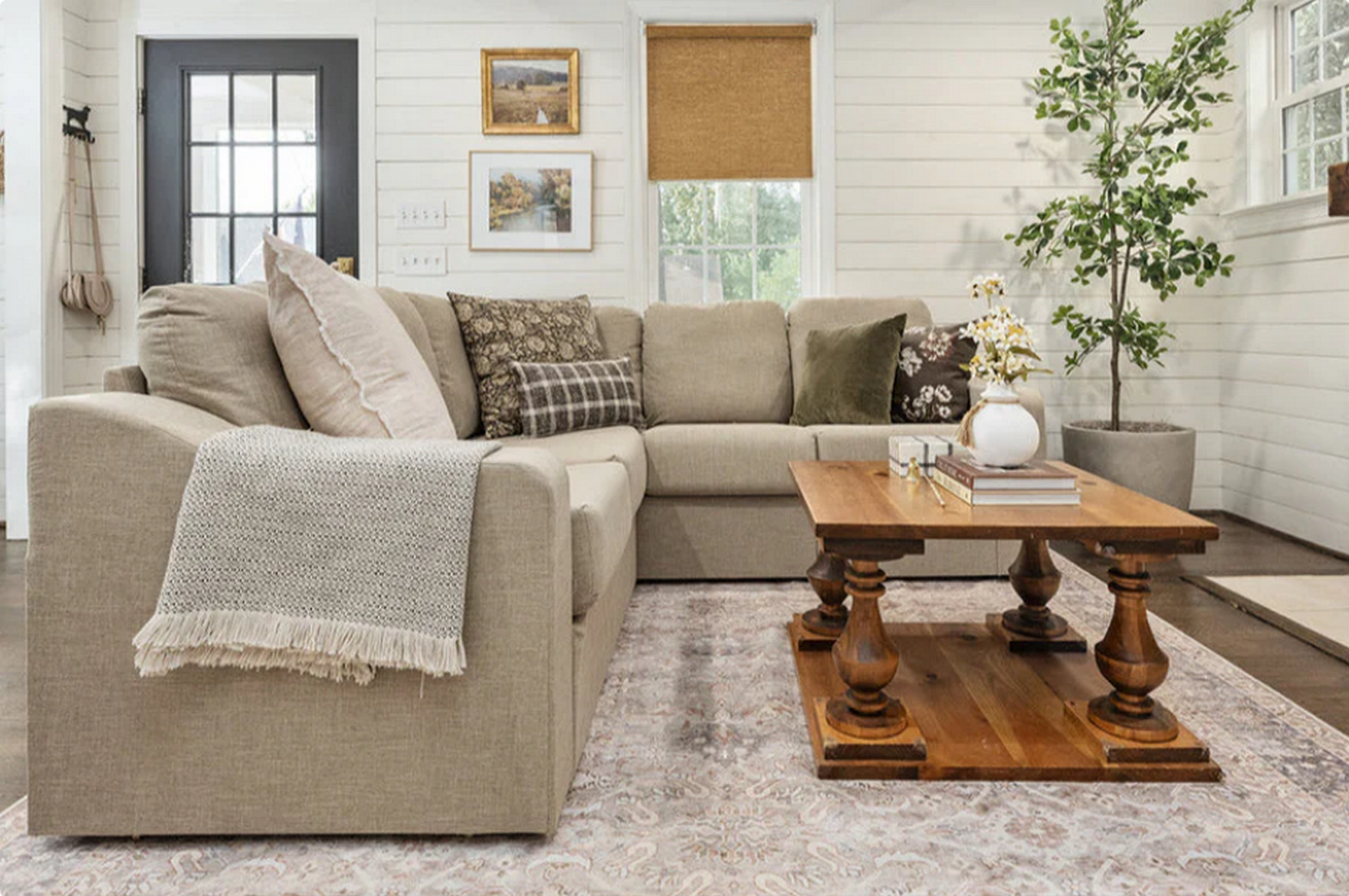 Alt Text: beige modular sectional sofa in modern farmhouse living room
Modern design approaches have revolutionised modular furniture, making it a top choice for homeowners who need versatile solutions for their living spaces. Innovative engineering and advanced manufacturing techniques now allow pieces to serve multiple functions while maintaining aesthetic appeal.
Integrating modular ottoman options has sparked fresh interest in adaptable furniture designs that maximise space usage.
Creative innovations in materials and construction methods have enabled unprecedented levels of customisation in modular furniture. Manufacturers are incorporating innovative mechanisms and adjustable components that let users modify their furniture based on changing needs.
These advancements have introduced several key benefits:
- Space-saving designs that transform from coffee tables to dining surfaces
- Multi-functional storage solutions built into seating arrangements
- Modular wall systems that adapt to different room configurations
- Convertible furniture pieces that serve dual purposes
- Easy-to-assemble components that support frequent layout changes
Recent developments in modular design have also focused on improving durability and maintenance.
Advanced joining techniques ensure sturdy construction while allowing for easy reconfiguration. The implementation of standardised parts has simplified repairs and replacements, extending the lifespan of modular furniture pieces and reducing waste.
Sustainable Practices and Their Impact
Modern modular furniture design has embraced eco-conscious manufacturing practices, marking a significant shift in production methods.
Manufacturers now prioritise sustainable materials like bamboo and recycled components, reducing environmental impact while maintaining quality. This approach has transformed modular furniture into a leading choice for consumers who value ecological responsibility.
Integrating sustainable practices in modular furniture production creates multiple environmental benefits extending beyond manufacturing.
Here are the key advantages of choosing sustainable modular furniture:
- Reduced waste through precise material utilisation and recyclable components
- Lower carbon emissions due to efficient transportation and assembly methods
- Extended product lifespan thanks to durable, replaceable parts
- Minimised chemical exposure with non-toxic finishes and adhesives
- Support for renewable resource cultivation, especially bamboo forests
The resource-efficient nature of modular furniture aligns perfectly with circular economy principles. Each piece serves multiple functions and adapts to changing needs, eliminating the need for frequent replacements.
This versatility and sustainable materials and production methods create a positive environmental impact ripple effect across the furniture industry’s supply chain.
Future Living Outlook
The evolution of modular furniture represents a fundamental shift in how we approach living spaces. It addresses the growing demands of urban dwellers for adaptable and multifunctional solutions.
Technological advancements and sustainable manufacturing practices have transformed the industry from simple space-saving furniture to sophisticated systems that enhance functionality and aesthetic appeal.
Integrating smart design principles with eco-conscious materials signals a promising future where flexible living spaces become the norm rather than the exception, making modular furniture an essential component in shaping the future of urban living.