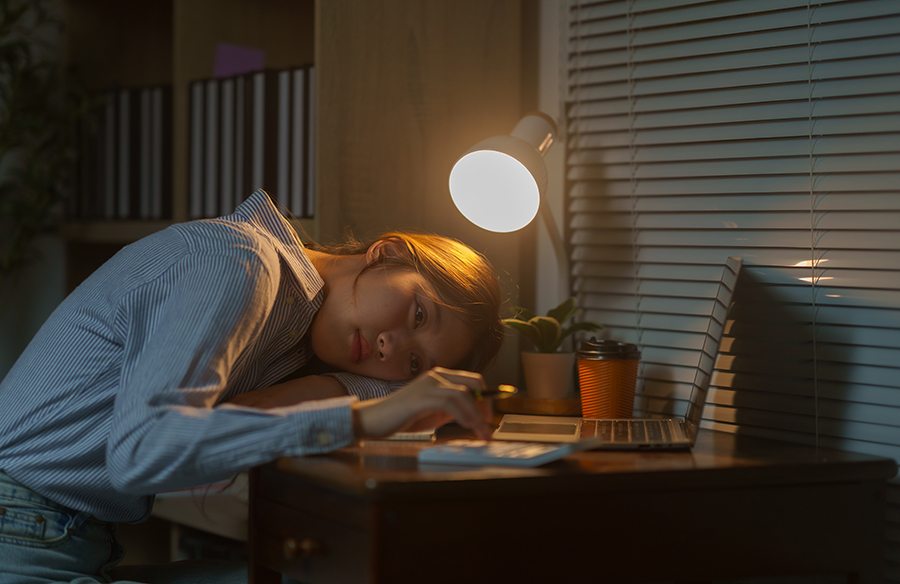
If you’ve ever ended a long workday feeling restless but tired and you’re not alone. Modern work culture, packed with deadlines, back to back calls and screen fatigue, leaves little room for your body and mind to reset.What most people don’t realize is that the quality of sleep begins at your desk.
The way you sit, move, eat and manage stress throughout your day directly shapes how well you sleep at night and how refreshed you feel the next morning.
Your Posture Dictates Your Rest
Hours you spent in front of a laptop usually lead to slouched shoulders, a forward neck and stiff hips. This desk posture doesn’t just hurt your back, it affects your nervous system and your breathing patterns.
Poor posture compresses your diaphragm, reducing oxygen flow. When your breathing becomes shallow, your body stays in a mild state of stress making it harder to relax later. With time, this low-level tension can show up as restlessness, stiff muscles or jaw clenching when you finally lie in bed.
Ergonomic support such as using a chair that aligns with your spine or a lumbar cushion which helps your body to maintain balance throughout the day. A mindful wellness approach emphasizes that recovery begins with how your body moves and aligns when you’re awake and not just with how long you sleep.
The Screen-Stress Loop
Our brains are wired to respond to blue light and constant notifications. So late-night screen time sends signals to your brain that it’s still daytime, delaying your melatonin production (the hormone that tells your body it’s time to rest).
But the issue isn’t only when you use screens, it’s how you use them. Many people jump from spreadsheets to Netflix to social media without any break. This keeps your nervous system alert and your mind overstimulated.
You should try introducing digital gaps throughout your day. Even five minutes away from screens each hour can make a huge difference. By evening you should aim for a 30 to 60 minute tech-free window before bed. Your body will learn that this calm period will signals the start of recovery mode.
The Caffeine and Cortisol Connection
The third cup of coffee might get you through an afternoon slump but it also lingers in your system for hours. Caffeine can delay your body’s natural sleep cycle by blocking adenosine (a chemical that builds up to promote sleepiness).
Pair it with a stressful meeting or impending deadlines and your cortisol levels the body’s primary stress hormone and stay boosted long after working hour ends. This makes it even harder to relax even when you’re physically tired.
Consider yourself switching a coffee for a herbal tea or hydrating drinks in the second half of your day. As consistent hydration supports your energy and your sleep regulation. You might be surprised to know how much relaxed your evenings feel when your body isn’t fighting against caffeine and stress.
Movement Is the Missing Link
Most people connect exercise with fitness but movement is also the most productive way to improve your sleep quality. A gentle stretch or short movement sessions during working hours can reduce muscle tightness and signal your body to relax more better at night time.
When you move then your body releases endorphins which helps you regulate your circadian rhythm (your internal clock that balances wakefulness and rest).
Here are few posture resets you can try:
- Shoulder rolls or wall slides every hour
- Standing up for calls or walking during meetings
- Hip stretches or a quick 5-minute desk yoga flow
Even small and consistent movement habits can drastically reduce the tired but wired feeling by bedtime. For deeper relaxation, some find that applying magnesium lotion after an evening stretch routine that helps ease muscle stiffness and prepare the body for restful sleep. Magnesium supports muscle recovery and nerve relaxation which is essential for anyone sitting for long hours.