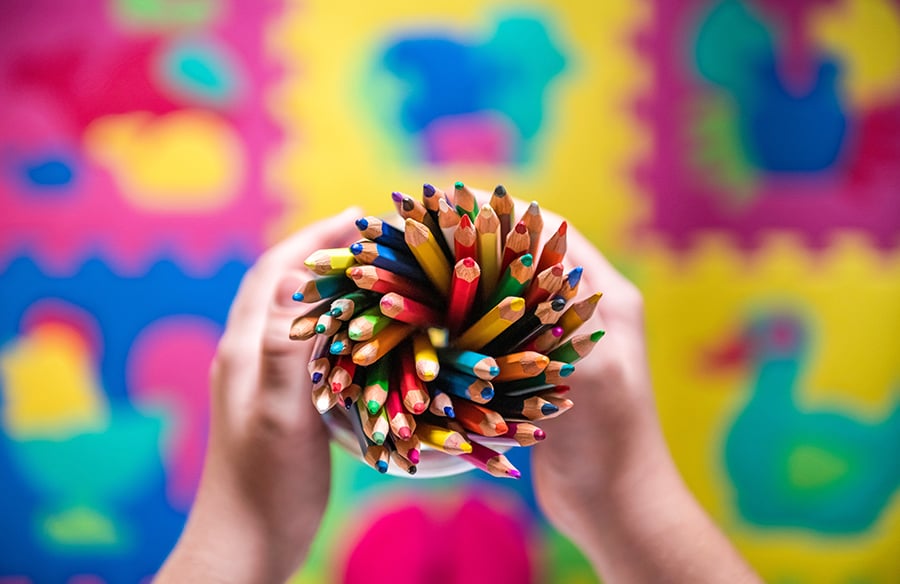
In an age where digital distractions dominate learning environments, art remains a timeless and transformative tool. Whether through structured art programs or simple creative exercises, coloring continues to nurture focus, cognitive development, and emotional regulation in both children and adults. One platform — Direct Coloring — is quietly reshaping how educators, parents, and learners engage with creativity in the digital era.
With over 50,000 printable, high-quality coloring pages available entirely for free, Direct Coloring offers a vast, accessible resource that bridges art, design, and education. Its popular Halloween Coloring Pages collection — featuring hundreds of seasonally themed printables — captures the spirit of creative learning while celebrating one of the world’s most expressive holidays.
The Philosophy Behind Direct Coloring
Direct Coloring was founded on a simple but powerful principle: creativity should be accessible to all. In contrast to many online educational platforms requiring subscriptions or paywalls, Direct Coloring provides unrestricted access to a massive, organized library of printable PDFs.
The site’s content library covers a diverse range of categories: animals, seasons, holidays, characters, educational themes, and nature. This inclusivity allows teachers and parents to integrate art-based activities seamlessly into daily routines, while children of all ages can enjoy meaningful, developmentally aligned experiences.
As modern education increasingly emphasizes emotional intelligence and hands-on learning, coloring emerges as a multidisciplinary resource. It combines visual design, storytelling, motor coordination, and mindfulness — qualities essential to 21st-century learning frameworks.
Why Coloring Still Matters in 2025’s Educational Landscape
In contemporary classrooms, art-based learning is no longer a supplementary “fun activity” — it is a core medium of creative literacy. When integrated thoughtfully, coloring pages become powerful pedagogical tools.
For Educators
Teachers utilize themed pages to reinforce lessons on language, culture, and design thinking. Halloween-themed materials, for example, introduce vocabulary (“jack-o’-lantern,” “broomstick,” “cauldron”) while allowing students to visualize stories and cultural traditions.
In art classes, coloring can support composition skills, color harmony, and balance. For younger learners, it develops hand–eye coordination, line control, and patience — skills essential for both artistic and academic success.
For Parents
At home, coloring represents an invaluable screen-free activity that encourages presence, focus, and emotional calm. Parents often find that joint coloring sessions foster conversation and bonding — transforming an ordinary afternoon into a shared creative experience.
For Students and Children
For children, coloring is a form of storytelling. Choosing colors for ghosts, pumpkins, or spooky mansions allows them to express personal interpretations of cultural imagery. This process builds decision-making, confidence, and visual communication — foundational skills for future designers, architects, and creators.
The Creative and Cognitive Power of Halloween Coloring Pages
Among Direct Coloring’s most popular collections, the Halloween Coloring Pages embody the intersection of festive art and educational design.
Each themed sheet — whether featuring playful bats, haunted houses, or trick-or-treaters — stimulates imagination while reinforcing developmental and pedagogical outcomes:
- Cognitive Development: Engages memory, visual perception, and pattern recognition.
- Language and Literacy: Encourages themed vocabulary through visual association.
- Fine Motor Skills: Improves pencil grip, spatial awareness, and bilateral coordination.
- Cultural Learning: Provides a playful entry point to discuss traditions, folklore, and global celebrations of Halloween.
In classrooms, these pages can be integrated into art centers, writing prompts, or cultural study units. Teachers might ask students to create short stories based on their colored illustrations — linking art to language and narrative comprehension.
At home, families can extend the experience by turning completed pages into greeting cards, party decorations, or scrapbook elements — ensuring creativity continues beyond the printed page.
How Direct Coloring Redefines Accessibility in Education
The platform’s accessibility is one of its strongest attributes. Direct Coloring requires no registration, login, or payment, allowing instant access for schools, libraries, and community centers with limited budgets.
This democratization of creative materials mirrors broader educational goals: equity, inclusion, and open access. By removing digital and financial barriers, the platform supports teachers in underserved regions and parents seeking affordable educational tools.
Moreover, Direct Coloring’s PDF format ensures compatibility across devices and printers. Users can download files in seconds and print on standard US Letter or A4 paper — transforming digital resources into tangible learning materials.
Integrating Art, Design, and Emotional Learning
Coloring pages — particularly those designed with thoughtful educational intent — support more than artistic skill. They engage what educational theorists describe as the triad of learning domains: cognitive, affective, and psychomotor.
- Cognitive: Enhancing attention, categorization, and problem-solving.
- Affective: Promoting calmness, focus, and a sense of achievement.
- Psychomotor: Strengthening fine motor control and spatial intelligence.
For institutions or educators inspired by design pedagogy, coloring activities can serve as an introduction to visual thinking. Students begin recognizing composition, contrast, and thematic storytelling — foundational skills in architecture, visual arts, and creative communication.
Designing Learning Spaces Through Creative Tools
Platforms like Direct Coloring support the evolution of learning spaces. Whether in a kindergarten classroom, home study corner, or after-school program, printable art provides flexible tools for creativity-centered pedagogy.
In Re-thinking The Future’s educational philosophy, design is not only about structures but also about the frameworks of thought and imagination that shape how learners engage with the world. Direct Coloring exemplifies this principle by turning simple pages into opportunities for exploration, self-expression, and joy.
Conclusion: The Art of Accessible Creativity
Coloring, though often underestimated, remains a profound intersection of art, education, and design. It fosters patience, observation, and empathy — the very qualities future innovators and artists will need.
By combining open access, thoughtful design, and educational purpose, Direct Coloring transforms a traditional childhood pastime into a powerful learning tool for the 21st century. Its Halloween collection, rich in cultural imagery and creative potential, illustrates how even seasonal art can nurture critical thinking and imagination.
As we continue to rethink the future of education, platforms like Direct Coloring remind us that creativity doesn’t require complex technology or costly materials — only curiosity, color, and the freedom to create.