Every crew knows the weight of downtime. When a truck’s parked waiting for maintenance, everyone’s plans get pushed back. The schedule stretches, costs grow, and the whole job slows to a crawl. Most of that lost time disappears once maintenance moves to the jobsite.
The crews staying ahead today don’t wait for equipment to fail or for the next open shop slot. They take maintenance to the jobsite, bringing tools, oil, fuel, and DEF with them. It’s the kind of shift that turns downtime into uptime.
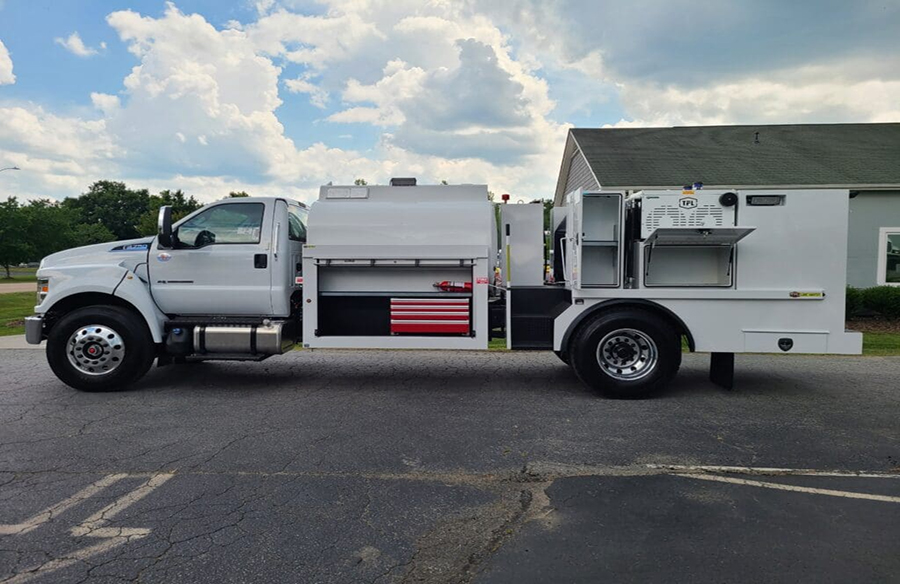
Field-tested lube trucks are designed for this reality. They keep everything you need on hand so you can service equipment in the field. That means fewer trips back to the shop, more completed jobs, and smoother days that don’t fall apart when one truck goes down.
That’s where the real costs start showing, and where crews can take control.
The Hidden Cost of Downtime
Downtime costs more than fuel or labor — it hits margins, reputation, and crew morale. When a machine sits idle, the ripple effect spreads fast. Deadlines slip, workloads double up, and field teams end up staying late to make up lost time.
Fleet managers know exactly what that looks like. Maybe it’s a missed delivery because a truck needed an oil change. Maybe it’s a piece of equipment that broke down mid-shift because a small fluid issue wasn’t caught early. It’s easy to see how those hours stack up.
Every operation pays that cost in one form or another. The question is whether you control that downtime or let it control you. Understanding those costs makes it clear why so many teams are rethinking how they handle maintenance in the field.
What Slows Maintenance Down in the Field
Crews keep the work moving, yet the wrong setup can stall progress fast. Each time a truck heads back for service, valuable hours disappear
Here are the real culprits behind those wasted hours:
- Reactive maintenance: Waiting for breakdowns instead of scheduling regular PM.
- Long hauls to the shop: Burning time and fuel for simple fluid changes or top-offs.
- Unorganized service setups: Tangled hoses, unlabeled tanks, and misplaced tools.
- DEF contamination: Open containers or shared funnels that damage engines and halt production.
- Limited operator access: CDL-only trucks slow down maintenance when key drivers are tied up.
These are all fixable problems. Smarter lube trucks are built to remove every one of those roadblocks.
Why Smarter Lube Trucks Keep Crews Moving
A smarter, field-tested lube truck changes everything about how maintenance happens. Instead of stopping work to travel, the work keeps going. These trucks are built for crews who measure success by uptime, not specs.
Here’s what the right setup brings to your operation:
- On-site service: Maintenance happens right where the machines are working. Crews handle oil, grease, coolant, and DEF without leaving the job.
- Ergonomic layouts: Clear access to tanks, reels, and tools saves time every stop.
- Right-sized tanks: Each setup matches your daily workload, avoiding mid-shift refills.
- Dedicated DEF systems: Closed-loop systems keep contaminants out and protect your engines.
- Waste oil containment: Built-in recovery tanks keep jobs cleaner and compliant.
- Power on demand: Integrated air and electric power keep your crew working without extra gear.
If you’re looking for a reliable on-site service vehicle, focus on how well it fits your crew’s daily workflow. The layout, tank sizing, and access points should make your preventive maintenance faster, safer, and easier to repeat every single day. And when those designs are tested by real crews, the difference shows up in every shift.
What “Field-Tested” Really Means
When a truck is called field-tested, it means crews have proven it holds up through long days, rough ground, and tight schedules. Every decision, from reel height to cabinet placement, comes from real-world experience.
Field-tested trucks share the same time-saving features crews rely on every day:
- Organized reels and lines: When reels are arranged logically, crews move from task to task without backtracking or tangles.
- Color-coded fluid lines: No guessing which line runs oil or coolant. Mistakes drop to zero, and service moves faster.
- Non-CDL accessibility: Keeping trucks under CDL limits means more of your team can handle PM without scheduling delays.
- Lighting and visibility: Built-in LED lighting lets you work safely before sunrise or after dark without cutting corners.
- Stable footing and safe access: Wide steps and low tanks reduce fatigue and make maintenance safer over a long shift.
Once you’ve seen how these details work together, the next step is building a plan that fits your crew’s workflow.
Building a Maintenance Plan That Fits Your Crew
Every operation runs a little differently. What matters is matching your preventive maintenance setup to how your crew actually works.
Start by asking these key questions to find where your time really goes:
- How much time is lost every week on travel for maintenance?
- Which services slow your day down — oil, DEF, grease, or coolant?
- Do you need a full lube truck, or would a smaller skid or trailer handle the job?
- Are your current systems up to date on DEF and spill containment standards?
- Can your current crew handle service independently, or do they wait on a shop truck?
Once you know where time is slipping away, you can design a setup that fills those gaps. Some fleets use a single large lube truck that handles multiple sites.
Others rely on compact skids installed in existing service vehicles. The goal is the same; maintenance that happens at the point of need, not miles away.
Once those answers are clear, the benefits start showing fast.
The Real Payoff: Fewer Breakdowns, More Productivity
Smarter maintenance keeps work moving at a steady pace. Crews who handle PM in the field service their equipment on time, every time. Consistent maintenance means fewer breakdowns, smoother days, and equipment that lasts longer.
Here’s what operations see once maintenance moves to the jobsite:
- Crews stay productive: Less waiting, more work done per shift.
- Equipment lasts longer: Regular PM prevents small issues from growing.
- Costs stay predictable: No surprise repairs or towing bills.
- Safety improves: Clean, organized setups reduce spills and strain.
- Morale rises: When the day runs smoothly, everyone feels the difference.
That kind of progress is easy to spot when the workday runs smoother and every truck stays in service.
A Day in the Field, Done Right
This is what a typical day looks like when your maintenance setup keeps pace with your work. Your crew pulls up to a jobsite at dawn. Instead of running back to the yard for oil or waiting on a service truck, they handle everything right there. Filters get changed, fluids topped off, and waste collected cleanly in minutes.
A solid field maintenance setup is simple, organized, and easy to keep consistent. Crews finish faster, equipment stays in rotation, and the workday flows without interruptions. Field-tested maintenance pays off in steady schedules, clear routines, and more time where it counts — on the job.
Keep Your Fleet in Motion
Downtime is a reality for every operation, yet it doesn’t have to steal your schedule. Smarter, field-tested lube trucks give crews control of their day again. They bring maintenance to the field, cut service time, and help fleets run at full speed.
A dependable setup doesn’t just save minutes; it builds confidence. Crews know they have the right tools on hand. Managers know their schedules will hold. The result is a team that spends less time waiting and more time working, exactly where they should be.
The right lube truck setup keeps your fleet in motion — every day, every job.