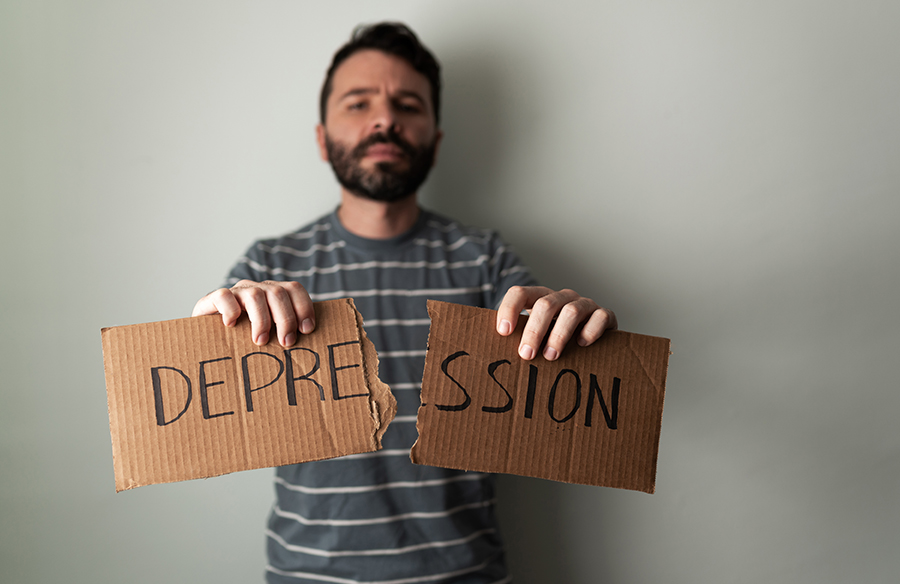
Depression doesn’t always look like what people expect. Some individuals experience what’s called happy depression – appearing fine on the outside while crumbling inside. This confusing state challenges assumptions about what depression looks like and makes getting help more complicated. Understanding how this differs from typical depression helps people recognize when they or someone close to them needs support.
What This Condition Really Means
Happy depression meaning refers to a pattern where people maintain daily functioning and even seem cheerful while experiencing serious depressive symptoms internally. Mental health professionals don’t officially diagnose “happy depression,” but the term describes a real phenomenon they encounter regularly.
Clinically, this falls under atypical depression or high-functioning depression. The defining feature is the stark disconnect between how someone appears and how they actually feel. They might excel at work, keep up social relationships, and project positivity while feeling empty, hopeless, or worthless inside.
The term “happy” is misleading because these people aren’t genuinely happy. They’ve mastered the art of masking their depression, often so effectively that even close family members suspect nothing. This masking requires enormous energy and often makes the underlying depression worse over time.
Happy depression differs from traditional depression in visibility rather than severity. The internal pain can be equally intense – sometimes worse because of the exhausting effort required to maintain appearances.
How Traditional Depression Shows Up
Traditional depression presents with more obvious signs that others notice. People withdraw from activities they used to enjoy. They might stop showering regularly, spend days in bed, or let household chores pile up indefinitely.
Physical appearance often changes noticeably. Weight fluctuates significantly. Dark circles become permanent. Posture slumps and movements slow way down. These visible signs usually prompt family members to express concern.
Social withdrawal is typical. People stop answering calls, cancel plans constantly, and cut themselves off from loved ones. They might quit hobbies, miss work repeatedly, or drop out of school because functioning feels impossible.
Mood presentation is obviously sad or flat. People openly express hopelessness, worthlessness, or despair. They might cry frequently or show little emotional response to anything. This visible suffering, while painful, at least signals to others that something’s wrong.
How Happy Depression Looks Different
Happy depression symptoms include many of the same internal experiences as traditional depression but with dramatically different external presentation. People feel persistent sadness, emptiness, or hopelessness but hide these feelings from everyone around them.
They maintain responsibilities despite struggling internally. They show up for work, fulfill family obligations, and keep social commitments even when it takes every ounce of energy they have. This functionality often convinces others – and sometimes themselves – that they’re fine.
Perfectionism frequently accompanies this pattern. People drive themselves to succeed, using achievements to prove they’re okay or to distract from internal pain. They become overachievers who seem to have it all together.
The emotional experience remains severe. Concentration problems, feelings of worthlessness, appetite and sleep changes, fatigue, and physical aches all occur. Suicidal thoughts can be present and are particularly dangerous because maintained functioning means more means and opportunities to act on them.
Key differences include:
- Maintaining work performance and social obligations despite severe internal suffering
- Appearing cheerful or upbeat in public while feeling empty in private moments
- Using humor or jokes to deflect when conversations turn to feelings
- Perfectionism and overachievement used as coping mechanisms to hide struggle
- Difficulty accepting help because “things aren’t that bad” compared to others
- Shocking others with symptom severity when depression finally becomes visible
Why People Hide It
Multiple factors drive people to hide their depression behind functional facades. Social expectations play a major role, particularly for people in professional settings or leadership positions. Admitting struggle feels like admitting failure or incompetence.
Gender norms influence this heavily. Men especially feel pressure to appear strong and successful, making depression acknowledgment feel like weakness. Cultural backgrounds that stigmatize mental health push people to suffer silently.
Fear of consequences keeps many quiet. They worry about losing jobs, damaging relationships, or being seen as unable to handle adult responsibilities. The stakes feel too high to admit struggling.
Some genuinely don’t recognize their depression. Because they’re still functioning, they attribute feelings to stress, laziness, or personality flaws rather than a treatable condition. The ability to push through daily tasks becomes proof that nothing is seriously wrong.
Why This Pattern Is Dangerous
Happy depression can be more dangerous than traditional depression precisely because it’s hidden. When someone appears fine, others don’t intervene. The person doesn’t seek help because they think they should handle it or that their struggles aren’t valid.
Suicide risk may actually be higher. The maintained functionality means people often have active plans, access to means, and less monitoring from concerned loved ones. When tragedy occurs, those left behind express shock because they saw no warning signs.
What Both Types Share
Despite presentation differences, happy depression and traditional depression share core features. Both involve significant changes in mood, energy, and outlook persisting for weeks or months. Both cause real suffering and impairment, even when that impairment isn’t obvious.
Brain chemistry changes occur in both. Neurotransmitter imbalances involving serotonin, dopamine, and norepinephrine affect mood regulation regardless of external appearance.
Both types respond to similar treatments including therapy, medication, and lifestyle changes. The same evidence-based approaches that help traditional depression also work for happy depression once properly identified.
For treatment-resistant cases, newer options like spravato for depression may be considered under medical supervision, offering alternative pathways when standard antidepressants prove insufficient.
Suicide risk exists in both, though it manifests differently. Traditional depression’s risk often involves passive ideation and visible deterioration. Happy depression’s risk can involve more active planning with less outward crisis indication.
Common internal experiences in both include:
- Persistent feelings of sadness, emptiness, or hopelessness most days
- Loss of interest or pleasure in previously enjoyable activities
- Significant changes in appetite, weight, or sleep patterns
- Fatigue and decreased energy even with adequate rest
- Feelings of worthlessness or excessive guilt about perceived failures
- Difficulty concentrating, making decisions, or remembering information
Getting Proper Help
Recognition represents the first step toward treatment for happy depression. This proves more difficult because the person and their loved ones may not realize anything is seriously wrong. Sometimes a crisis or breaking point forces acknowledgment.
Professional evaluation is necessary for proper diagnosis. A mental health provider can assess symptoms, rule out other conditions, and develop treatment plans. Primary care doctors can also screen for depression and provide referrals.
Treatment typically involves therapy, medication, or both. Cognitive behavioral therapy addresses both the depression itself and the patterns of hiding it. Antidepressants can alleviate symptoms and make engaging in therapy easier.
Lifestyle changes support other treatments. Regular exercise, adequate sleep, healthy eating, stress management, and genuine social connection all help reduce symptoms. For those with happy depression, learning to be authentic about struggles rather than maintaining the happy facade becomes particularly important.
Support groups provide valuable connection with others experiencing similar challenges. Hearing that others also struggle while appearing fine can reduce shame and isolation. Many find it easier to drop the mask in settings specifically designed for mental health support.
Moving Forward
Both happy depression and traditional depression deserve recognition as serious conditions requiring treatment. Neither is more or less valid – they simply manifest differently. The key is understanding that depression doesn’t have one face, and someone appearing fine may be suffering tremendously.
Increased awareness of happy depression helps people recognize it in themselves or others. When society understands that depression can hide behind smiles and success, more people may feel comfortable seeking help before reaching crisis points. Early intervention improves outcomes significantly and can prevent tragic consequences.