Walk into any successful retail store, and the one thing quietly holding it all together is not the flashy signage or premium flooring. It is the shelving. Behind every neatly arranged aisle and accessible product sits a structure that determines how easily customers shop and how efficiently staff work.
Shelving is far more than a storage tool. It shapes the customer journey, influences impulse buying, and defines how much stock a store can display at once. Among the many shelving systems available today, gondola shelving continues to stand out.
Retailers across Australia, from independent pharmacies to large supermarkets, still choose gondola systems for their practicality and reliability. While new display concepts emerge each year, few can match the balance of strength, versatility, and affordability that gondolas provide. They have evolved with retail trends but never lost their place as the industry’s backbone.
A Quick Look Back: From Simple Frames to Store Fixtures That Sell
The concept of gondola shelving dates back several decades, originally designed for convenience stores that needed a flexible and sturdy display solution. Over time, as the retail environment grew more competitive, shelving systems had to evolve to handle larger product varieties, heavier weights, and changing design aesthetics.
In the early years, gondolas were purely functional, heavy-duty metal units built to hold stock. They lacked colour options, accessories, and creative freedom. Yet, as customer behaviour shifted and visual merchandising became a priority, manufacturers began refining the design. Today’s gondola shelves come in a variety of heights, finishes, and accessories to suit both small corner stores and national retail chains.
Their adaptability made them an industry standard. Unlike bespoke fixtures that require custom fabrication or frequent replacements, gondolas became modular systems. Retailers could expand, rearrange, or reconfigure their store layouts without needing to replace entire shelving lines.
The result was a perfect mix of efficiency and economy. It is this combination that has kept gondola shelving relevant in the modern retail setting, even as technology transforms other parts of the shopping experience.
Why Retailers Still Rely on Gondola Shelving
Retailers continue to rely on gondola shelving because it solves several core challenges in one go: space utilisation, durability, and flexibility. Below is a simple breakdown of the main reasons behind its lasting popularity.
| Feature | Why It Matters in Retail | Benefit for Store Owners |
| Versatility | Works in supermarkets, hardware stores, pharmacies, and specialty shops | Allows consistent store design across multiple locations |
| Durability | Built from steel or powder-coated materials designed for high-traffic environments | Reduces replacement and repair costs |
| Flexibility | Modular design with adjustable shelves, end bays, and back panels | Makes it easy to update displays for new products |
| Affordability | Long-lasting investment with low maintenance | Provides a high return over the years of use |
Unlike some custom fixtures that lock retailers into fixed layouts, gondolas give store owners control. A simple reconfiguration can transform the flow of a store or highlight seasonal products without the need for costly renovations.
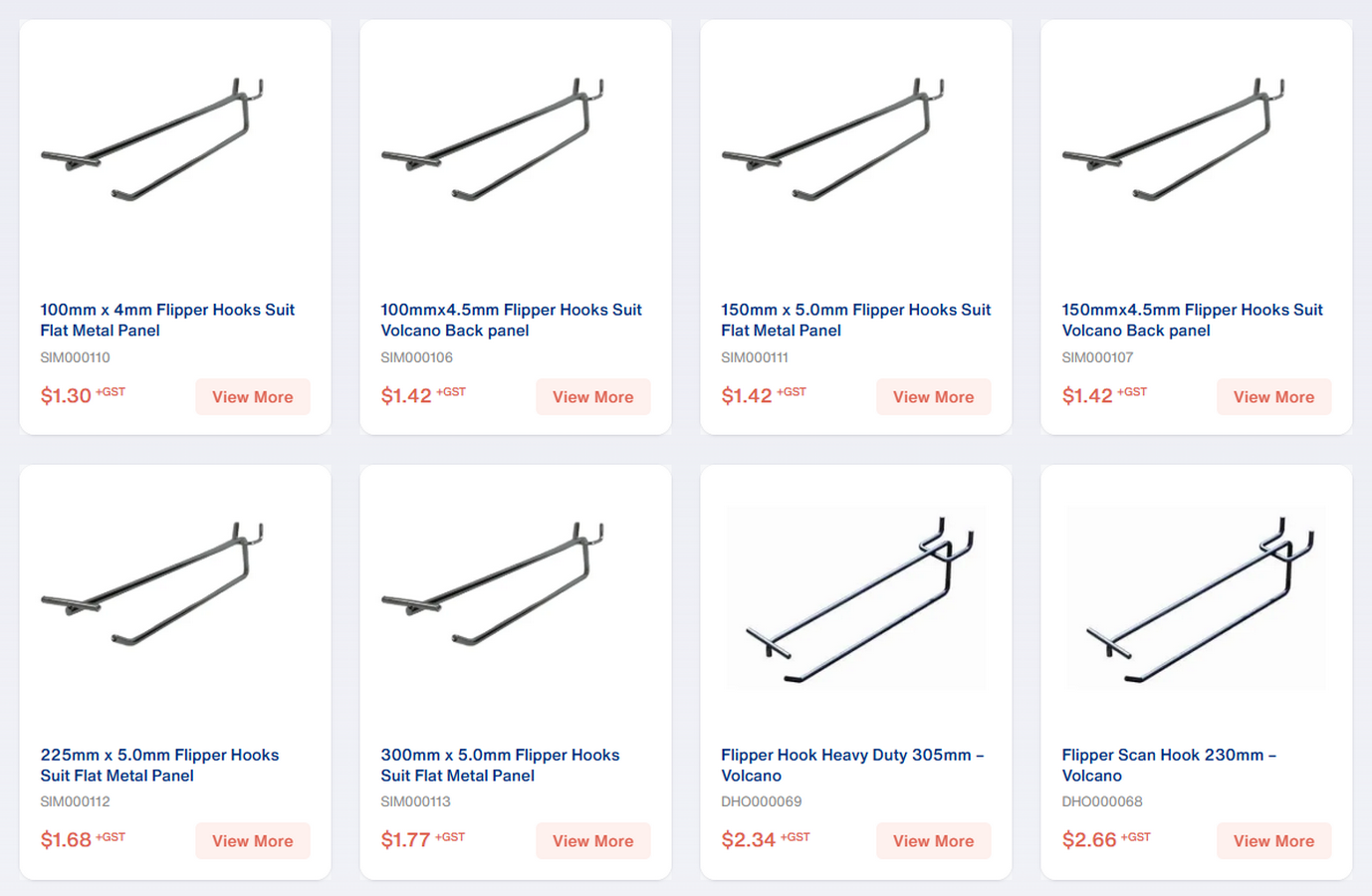
From an operational standpoint, gondola shelving makes restocking and cleaning faster, too. Staff can easily adjust shelf heights to fit new packaging sizes, and accessories like hooks or divider bins can be added within minutes.
This is why, when stores undergo rebranding or modernisation, gondolas are rarely replaced; they are upgraded, reused, or relocated instead. For any store owner focused on long-term efficiency, gondola shelving remains the clear winner.
Smart Merchandising and Customer Experience
Modern retail design is no longer just about packing products on shelves. It is about storytelling, visibility, and flow. Shelving directly influences how customers perceive products, how long they stay in-store, and what they ultimately buy.
Gondola shelving gives retailers the flexibility to design customer-friendly layouts. Its double-sided configuration creates natural aisles, guiding shoppers through sections intuitively. The end bays, often referred to as end caps, are prime real estate for promotions and new product launches.
Effective merchandising relies on three principles: sightline, accessibility, and organisation. Gondolas deliver on all three:
- Sightline: Adjustable shelf heights maintain consistent product visibility across the aisle.
- Accessibility: Customers can easily reach items without bending or stretching too far.
- Organisation: Dividers, baskets, and hooks allow products to be categorised clearly.
Moreover, accessories like signage holders, ticket strips, and LED lighting systems can be fitted to enhance visual appeal. When properly arranged, gondola shelving supports both impulse and planned purchases, which is a major reason why retailers keep using them despite newer display alternatives.
Customer experience improves when a store is easy to navigate. Aisles feel open, stock looks organised, and products appear within natural reach. These small but powerful details are exactly where gondola systems excel.
Sustainability and Modern Design Trends
Retailers today face increasing pressure to adopt sustainable practices, not just in packaging but across all aspects of their fit-outs. Gondola shelving fits well within this shift toward greener retailing.
Modern gondola systems are now made with recyclable materials, low-emission coatings, and efficient manufacturing processes. Many suppliers in Australia have moved towards powder-coated steel instead of paint, reducing harmful chemicals during production. The long lifespan of these units also means fewer replacements and less waste over time.
In terms of design, the once industrial-looking frames have evolved into sleek, brand-aligned structures. Retailers can choose from neutral tones like white, charcoal, and beige or opt for customised colours to match their interiors. Some stores even use timber-look panels or perforated backings for a softer, contemporary touch.
Design trends also lean towards mixed materials, combining steel frames with glass shelves or timber inserts to blend strength with style. The adaptability of gondola shelving ensures it can meet these aesthetic goals without losing its core functionality.
For example, a pharmacy might choose white finishes for cleanliness and visibility, while a boutique pet store might prefer black powder-coated shelves with timber accents. Both achieve completely different ambiences while using the same modular framework.
Beyond sustainability and looks, retailers now pair gondola systems with digital displays, QR codes, and lighting features to attract tech-savvy shoppers. The foundation remains the same; only the features evolve to fit changing consumer expectations.
Real-World Use Cases: Industries That Depend on Gondola Systems
Different retail environments have their own challenges, yet gondola shelving consistently adapts to each one. Its modular structure, strength, and adjustable features make it suitable for a wide range of store types.
Supermarkets and grocery stores depend on gondola shelving to organise thousands of items across aisles. From pantry staples to cleaning products, every bay needs to hold weight while staying easy to restock. Gondolas make it possible to create category-based layouts and eye-level product zones, guiding customers efficiently through their shopping journey.
Pharmacies use gondola systems to separate product types clearly: medications, personal care, and supplements. Because each shelf can be adjusted for different packaging sizes, staff can maintain order without wasting space. The neutral finish of most gondolas also complements the clean, clinical look that pharmacy interiors often require.
In convenience stores, where every metre counts, gondolas help create a compact yet high-capacity display. Double-sided bays allow owners to stock snacks, drinks, and daily essentials in a way that encourages quick purchases. Accessories such as hooks and wire baskets make use of every available inch.
Hardware and liquor stores also rely heavily on gondola shelving. These settings demand strength. Shelves must handle the weight of power tools, paint cans, or heavy bottles. The steel construction of gondola systems provides that durability, ensuring long service life even in high-traffic environments.
In all these examples, the shelving serves not just as storage but as a merchandising tool that drives sales. The same system can look entirely different in each store type simply by changing the panels, shelf heights, and accessories. That flexibility explains its dominance across industries.
Looking Ahead: Gondola Shelving and the Future of Retail
Retail continues to evolve, yet gondola shelving remains a core fixture. As stores adapt to hybrid models that merge online and offline experiences, physical display systems still hold enormous value.
Future gondola designs are expected to integrate more technology. Retailers are beginning to experiment with digital price tags, built-in LED strips, and data-tracking sensors that record customer interaction with products. These innovations do not replace the shelving; they enhance it.
 Another key trend is modularity with sustainability. Manufacturers are developing lighter components and using recyclable steel to lower transportation and installation costs. Instead of replacing entire units, retailers can now swap panels, uprights, or brackets individually.
The layout flexibility of gondola systems also supports “micro-store” formats, compact retail areas inside airports, gyms, and campuses. As urban spaces shrink, stores need shelving that can fit into smaller footprints without sacrificing display potential. Gondolas continue to meet those demands.
In short, the future of retail still depends on physical infrastructure that can evolve with consumer behaviour. Gondola shelving fits that role perfectly: adaptable, long-lasting, and ready to pair with digital advancements.
Why Does Gondola Shelving Still Stand the Test of Time?
Retail success begins with how products are presented. Over time, trends may shift and technology may redefine the customer journey, but the fundamentals of a practical store layout remain constant. Gondola shelving has proven, year after year, to be the most reliable choice for achieving that balance between efficiency and presentation.
Its combination of durability, modularity, and affordability gives retailers a solid foundation for growth. From small local shops to national chains, it supports merchandising goals without demanding costly upgrades or complicated redesigns.
For any retailer planning a new fit-out or a store refresh, choosing gondola systems is not simply about tradition; it is about proven performance. When designed well and used strategically, these shelves can enhance sales, streamline operations, and strengthen brand presentation in one move.
Modern stores may look different from those of the past, yet their backbone remains the same. Quality shelving still drives effective merchandising, and gondola shelving continues to lead the way for Australian retailers seeking reliability and long-term value.