
Learning Japanese opens doors to an amazing culture, exciting career opportunities, and meaningful connections with over 125 million native speakers. But finding the right learning platform can make or break your language journey.
With hundreds of apps, websites, and online courses all promising fluency, how do you know which ones actually deliver results? That’s what we’re here to solve.
We’ve spent months testing the most popular Japanese learning platforms, consulting with language teachers, and analyzing thousands of user reviews to bring you this definitive guide to the best online Japanese learning options in 2025.
What Makes Japanese Unique (And Challenging)
Before diving into our top picks, let’s quickly understand why Japanese requires special consideration when choosing a learning platform:
- Three writing systems: Hiragana, katakana, and kanji (with thousands of characters)
- Completely different grammar structure from English
- Context-heavy communication where much is left unsaid
- Formal vs. casual speech that changes based on social relationships
The best platforms address these challenges directly instead of treating Japanese like any other language.
1. italki: Best for Speaking Confidence and Cultural Immersion
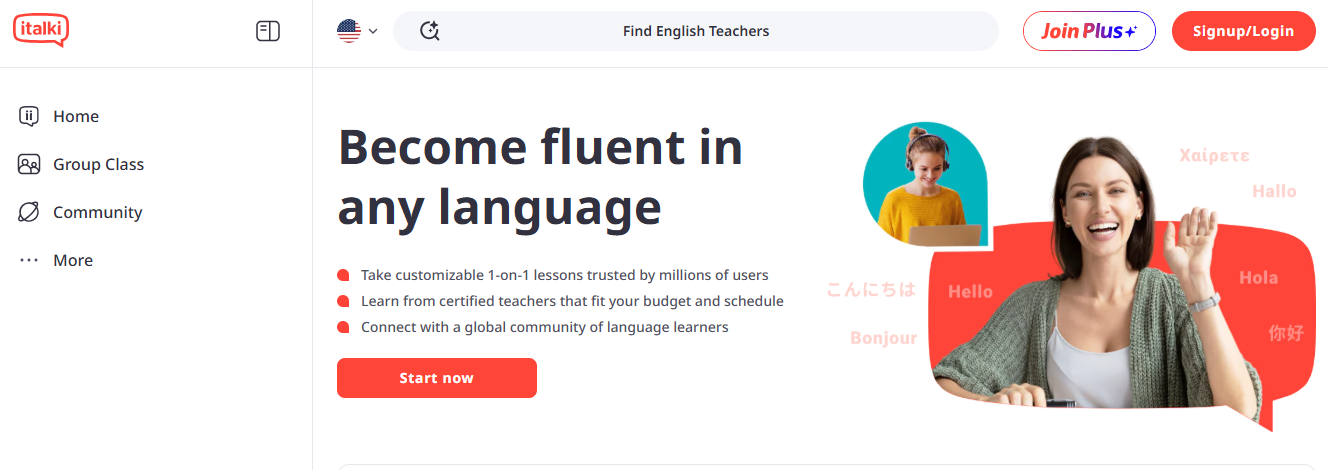
Quick Summary: italki connects you directly with professional Japanese teachers and community tutors for personalized 1-on-1 video lessons. It’s the closest thing to language immersion without moving to Japan.
Why It Made Our List
No app or automated program can replace practicing with real Japanese speakers who provide immediate feedback on your pronunciation, grammar, and natural expression. italki excels by offering affordable access to hundreds of qualified Japanese teachers, each with their own teaching style and specialties.
 Best For
- Beginners who feel intimidated by Japanese pronunciation
- Intermediate learners hitting the “plateau” in their studies
- Advanced students needing conversation practice with native speakers
- Anyone preparing for JLPT exams who needs personalized guidance
Key Features for Japanese Learning
- Tutor Variety: Choose from professional teachers (certified instructors) or community tutors (more informal practice partners, often at lower rates)
- Specialized Lesson Types: Conversation practice, JLPT prep, business Japanese, or cultural topics
- Flexible Scheduling: Book lessons when it works for you, across time zones
- Cultural Exchange: Learn about Japanese customs, slang, and daily life directly from locals
- Pay-Per-Lesson Model: No monthly subscriptions—only pay for the sessions you take
Strengths
- Teachers can tailor lessons to your specific weaknesses and interests
- Direct feedback on pronunciation that apps simply can’t provide
- Learn natural, contemporary Japanese as it’s actually spoken today
- Build confidence through regular conversation practice
Limitations
- Requires more scheduling and planning than app-based learning
- Quality varies between teachers (though the review system helps)
- Not ideal as your only resource for systematic grammar study
- Higher hourly cost compared to self-study apps
Pricing Structure
- Trial lessons: $5-15 (30 minutes)
- Regular lessons: $10-35 per hour (varies by teacher)
- Package discounts: Many teachers offer 5-10% off when booking multiple lessons
Real User Results
Users consistently report reaching conversational ability 2-3× faster when combining italki with self-study resources. Many credit regular speaking practice for helping them overcome the common “I understand but can’t speak” problem.
User Testimonial: “After 6 months of apps, I could recognize Japanese but froze when trying to speak. Three months of weekly italki lessons changed everything—now I can actually have basic conversations with Japanese friends.” —Maya S.
2. Wanikani: Best for Mastering Kanji Efficiently
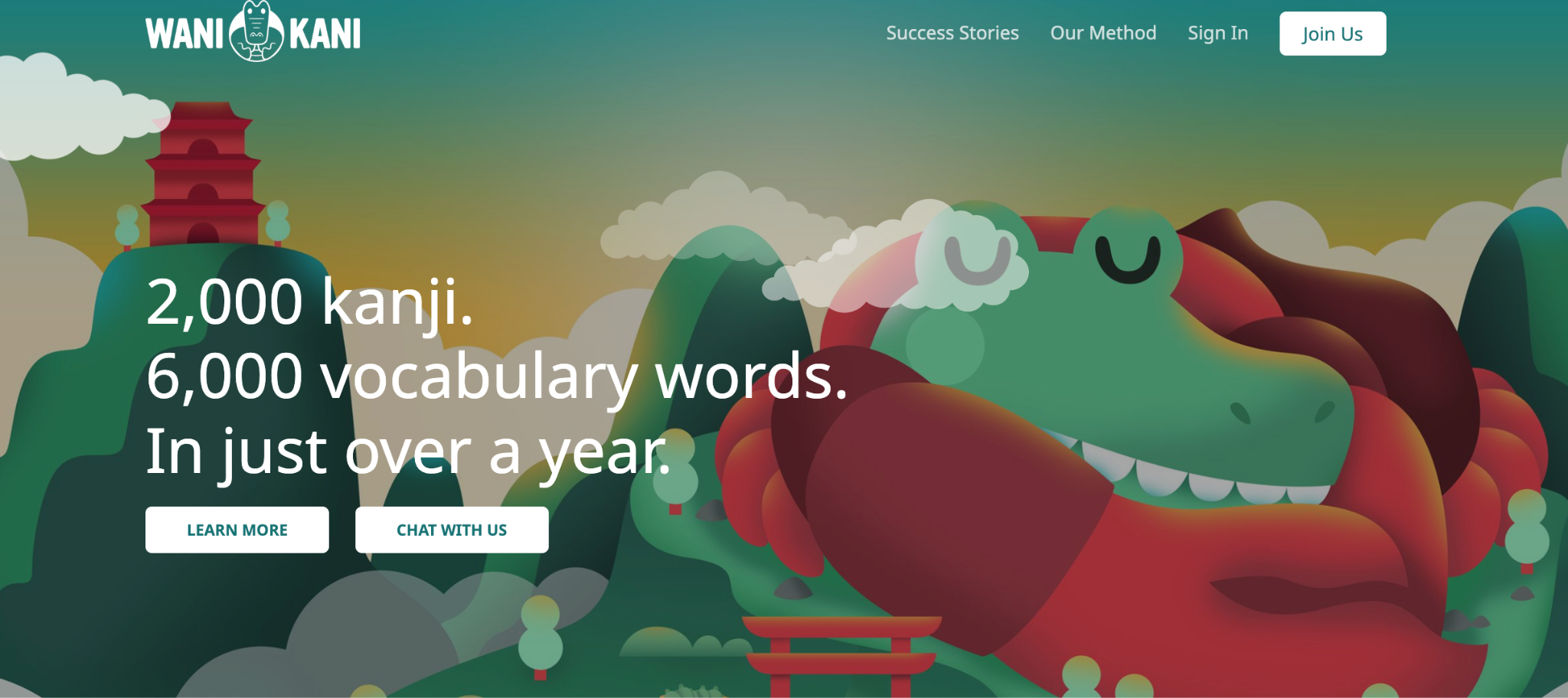
Quick Summary: Wanikani uses a powerful spaced repetition system and memorable mnemonic stories to help you learn 2,000+ kanji and 6,000+ vocabulary words systematically.
Why It Made Our List
Kanji is often the biggest roadblock for Japanese learners, and Wanikani solves this problem with a remarkably effective approach. Its carefully designed learning sequence and clever memory techniques turn the seemingly impossible task of memorizing thousands of characters into an achievable goal.
 Best For
- Beginners intimidated by kanji who need a structured approach
- Visual learners who benefit from stories and associations
- Serious learners aiming for reading fluency
- JLPT test-takers who need to build vocabulary efficiently
Key Features for Japanese Learning
- Logical Learning Order: Characters are introduced in an optimal sequence that builds on previous knowledge
- Mnemonic Stories: Memorable (often silly) stories that make characters stick in your memory
- Integrated Vocabulary: Learn kanji in context with vocabulary that uses those characters
- Spaced Repetition System: Review items at scientifically-optimized intervals
- Progress Tracking: Clear visualization of your advancement through levels
Strengths
- Transforms kanji from intimidating to manageable through smart sequencing
- Builds a genuine ability to read, not just recognize characters
- Community forums for extra help and motivation
- Research-based approach to memory and retention
Limitations
- Focuses exclusively on kanji and vocabulary (needs supplementation for grammar and speaking)
- Fixed progression path with limited customization
- Some learners find the mnemonics too quirky or distracting
- No mobile app (though the web version works on mobile)
Pricing Structure
- Free trial: First 3 levels (learn about 100 kanji)
- Subscription: $9/month or $89/year
- Lifetime access: One-time payment of $299
3. Satori Reader: Best for Bridging the Textbook-to-Real-Content Gap
Quick Summary: Satori Reader provides authentic Japanese content at various difficulty levels with integrated tools for translation, grammar explanation, and vocabulary tracking.
Why It Made Our List
Many learners hit a frustrating intermediate plateau where textbooks feel too simple but native materials seem impossible. Satori Reader fills this critical gap with engaging content specifically designed to bridge this divide, making the transition to authentic Japanese materials much smoother.
 Best For
- Early-intermediate learners ready to move beyond structured lessons
- Learners who get bored with traditional textbook exercises
- Those who want to experience natural Japanese in manageable chunks
- Visual learners who benefit from seeing grammar in context
Key Features for Japanese Learning
- Leveled Content: Stories and articles ranging from beginner to advanced
- Toggle between Scripts: Switch between kana, kanji with furigana, or romaji based on your comfort level
- Integrated Dictionary: Tap any word for definition, pronunciation, and example sentences
- Grammar Breakdowns: Clear explanations of sentence structures as they appear
- Audio Narration: Listen to natural pronunciation by native speakers
- Personalized Vocabulary Tracking: System remembers which words you know and which need review
Strengths
- Content is both educational and genuinely interesting
- Perfect stepping stone to authentic Japanese materials
- Combines reading, listening, and vocabulary acquisition in one activity
- Regular new content keeps the experience fresh
Limitations
- Limited speaking or production practice
- Content library is growing but still smaller than some platforms
- Higher-level content might still be challenging for some intermediate learners
- Interface occasionally feels cluttered on smaller screens
Pricing Structure
- Free trial: Limited articles and features
- Subscription: $9/month or $89/year
4. Bunpro: Best for Systematic Grammar Mastery
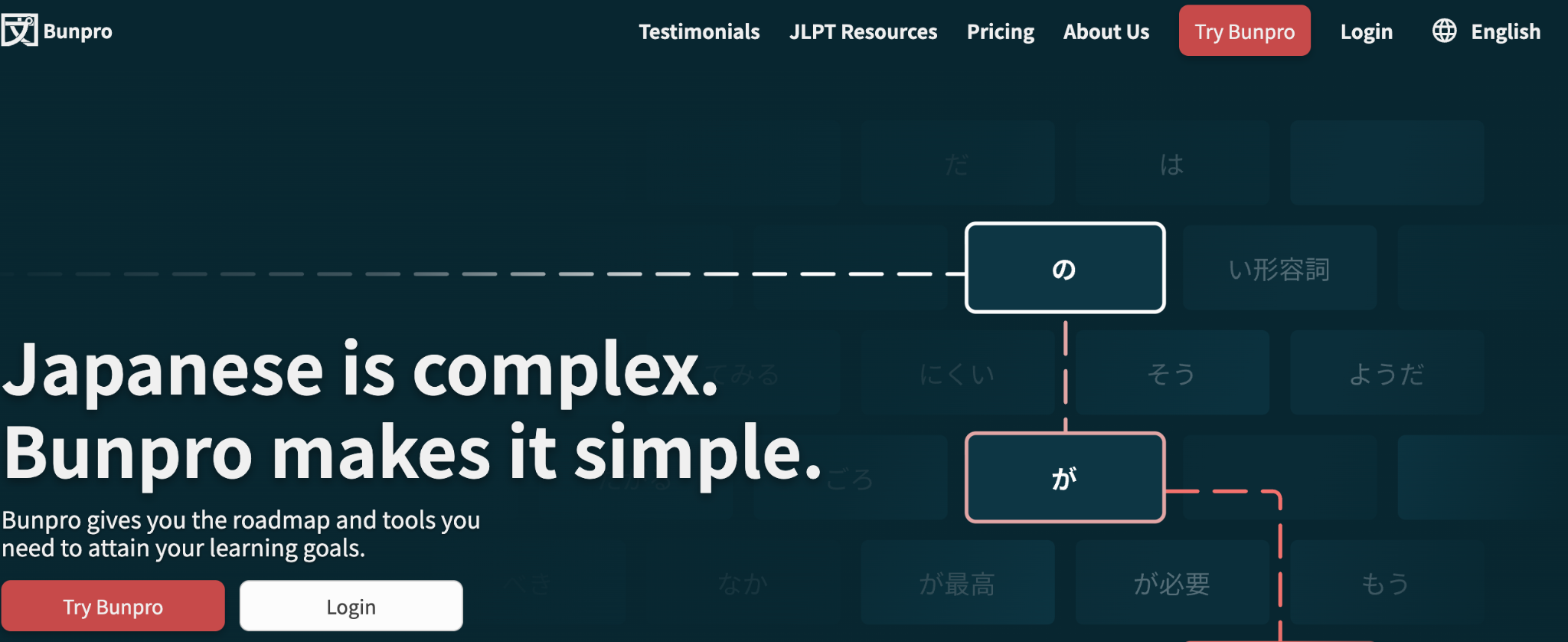
Quick Summary: Bunpro combines spaced repetition with a comprehensive grammar reference to help learners systematically master Japanese sentence patterns from beginner to advanced.
Why It Made Our List
Japanese grammar often confuses learners with its unique structure and nuances. Bunpro breaks down this complexity into manageable chunks, organizing grammar points by JLPT level and providing multiple example sentences for each pattern. Its spaced repetition testing ensures you don’t just learn grammar rules—you internalize them.
 Best For
- Structured learners who want a clear grammar progression path
- JLPT test-takers needing comprehensive grammar coverage
- Self-studiers who need more explanation than textbooks provide
- Learners who struggle to remember grammar patterns long-term
Key Features for Japanese Learning
- JLPT-Aligned Grammar Points: Organized by test level from N5 (beginner) to N1 (advanced)
- Multiple Examples: Several context sentences for each grammar pattern
- Spaced Repetition Reviews: Testing system for long-term retention
- Grammar Notes: Clear explanations with usage nuances
- Path Customization: Create study paths based on specific textbooks or goals
- Cloze Testing: Fill-in-the-blank exercises to test production, not just recognition
Strengths
- Exceptionally comprehensive grammar coverage
- Logical progression from simple to complex structures
- Links related grammar patterns to highlight connections
- Integrates well with other learning resources
Limitations
- Interface is functional but not especially engaging
- Limited listening and no speaking components
- Can feel overwhelming for casual learners
- Requires self-discipline to maintain regular reviews
Pricing Structure
- Free trial: 30 days with full access
- Subscription: $5/month or $50/year
5. Lingodeer: Best All-in-One App for Beginners
Quick Summary: Lingodeer offers a comprehensive, well-structured curriculum specifically optimized for Asian languages, making it particularly effective for Japanese beginners.
Why It Made Our List
While many language apps treat Japanese as just another language, Lingodeer was built from the ground up with Asian languages in mind. Its clear explanations, thoughtful progression, and balanced approach to all four skills (reading, writing, listening, speaking) make it our top pick for beginners seeking an all-in-one app solution.
 Best For
- Complete beginners starting from zero
- Visual learners who benefit from illustrations and clean design
- Busy learners who need a structured mobile learning solution
- Those who want balanced coverage of all language skills
Key Features for Japanese Learning
- Structured Course Pathway: Logical progression from basic to intermediate content
- Grammar Focus: More thorough explanations than most competing apps
- Writing Practice: Basic character writing exercises included
- Speech Recognition: Speaking exercises with feedback
- Offline Mode: Study without internet connection
- Review Quizzes: Regular assessment of previous material
Strengths
- Excels at clearly explaining concepts that confuse beginners
- Balances all language skills rather than over-focusing on vocabulary
- Engaging exercises that maintain interest
- More culturally authentic than many competing apps
Limitations
- Content currently reaches only early intermediate level
- Limited free-form practice or conversation
- Some advanced grammar points simplified or omitted
- Occasional audio quality inconsistencies
Pricing Structure
- Free content: Limited lessons and features
- Premium: $14.99/month, $39.99/quarter, or $79.99/year
- Lifetime access: One-time payment of $159.99
Making the Most of Your Japanese Learning Journey
Set Realistic Expectations
Learning Japanese is a marathon, not a sprint. Here’s what realistic progress looks like with consistent daily practice:
- 3 months: Basic greetings, simple phrases, hiragana/katakana mastery
- 6 months: Simple conversations, 100-200 kanji, basic sentence construction
- 1 year: Handle everyday situations, 500-700 kanji, follow slow conversations
- 2 years: Growing comfort with native materials, 1000+ kanji, JLPT N3 level
Common Pitfalls to Avoid
- Platform hopping: Switching between apps before giving them a fair chance
- Passive learning only: Not producing Japanese through speaking or writing
- Perfectionism: Fear of making mistakes limiting your practice
- Isolation: Learning without community support or conversation partners
- Imbalanced focus: Over-emphasizing one skill (often reading) at the expense of others
Tips for Consistent Progress
- Start small: Even 15 consistent daily minutes beats irregular hour-long sessions
- Combine methods: Use different platforms for different skills
- Find your “why”: Connect to personal motivations (travel, anime, career, etc.)
- Create accountability: Join study groups or share goals with friends
- Celebrate milestones: Acknowledge progress to stay motivated
The Bottom Line: Consistency Beats Everything
After reviewing dozens of platforms and talking with hundreds of successful Japanese learners, one truth stands out: the “best” platform is the one you’ll actually use consistently.
The five platforms we’ve highlighted represent different approaches to Japanese learning, each with unique strengths. Whether you choose one or combine several, your success ultimately depends on regular practice and a balanced approach that includes:
- Structured learning of grammar patterns and vocabulary
- Systematic kanji study with regular review
- Speaking practice with feedback from native speakers
- Exposure to authentic Japanese content
- Cultural context to understand how the language is really used
Remember that language learning isn’t linear—you’ll experience both breakthroughs and plateaus. During challenging periods, connecting with other learners through communities like the italki forum or Reddit’s r/LearnJapanese can provide motivation and practical advice.