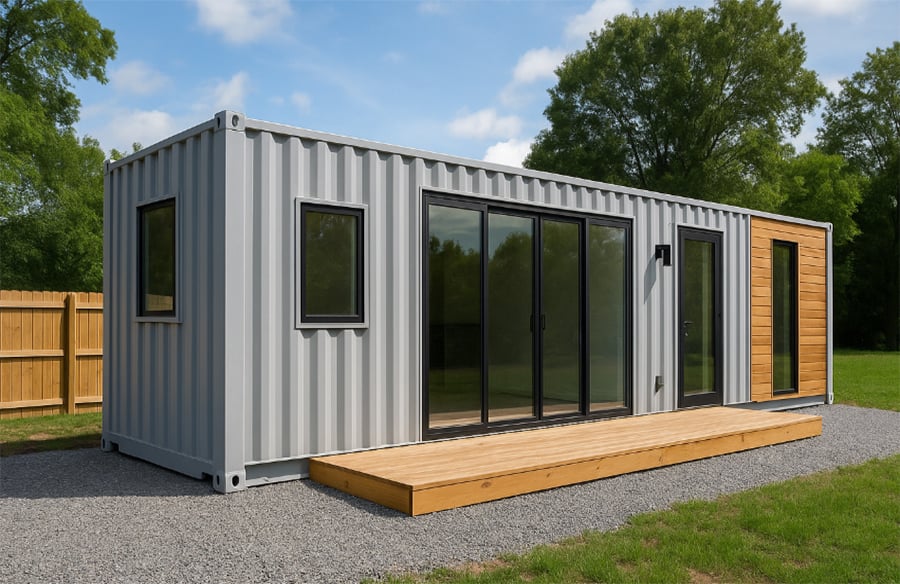
In recent years, the idea of turning steel boxes into fully functional spaces has moved beyond trend status to become a recognized design practice. These modular structures are no longer seen merely as industrial leftovers but as valuable building blocks for creative architecture. Their adaptability means they can serve both aesthetic and highly practical purposes, depending on the vision of the designer. Thanks to their adaptable design, versatile shipping container modifications have opened the door to countless creative applications, ranging from residential use to commercial innovation. With a growing interest in affordable, sustainable, and imaginative design solutions, shipping containers are redefining the way we think about living and working spaces.
Why Containers Make a Great Base for Innovation
Shipping containers are designed for durability, strength, and transport around the world. That implies they are inherently built to endure rough weather, rough loads, and days of wear and tear. They are considered by designers and architects to be a perfect blank sheet of paper: rectangular shapes, which are stackable, shippable, sliceable, insulate-able, and retable into nearly anything. Containers, unlike traditional building materials, give structure and enclosure off the bat, cutting down on front-end cost and construction time.
Another factor why containers are so popular is their sustainability. Reusing retired vessels minimizes waste, breathing new life into products that would otherwise remain idle in harbors. This green strategy is aligned with the current focus on greener building products and smaller environmental impacts.
Residential Transformations
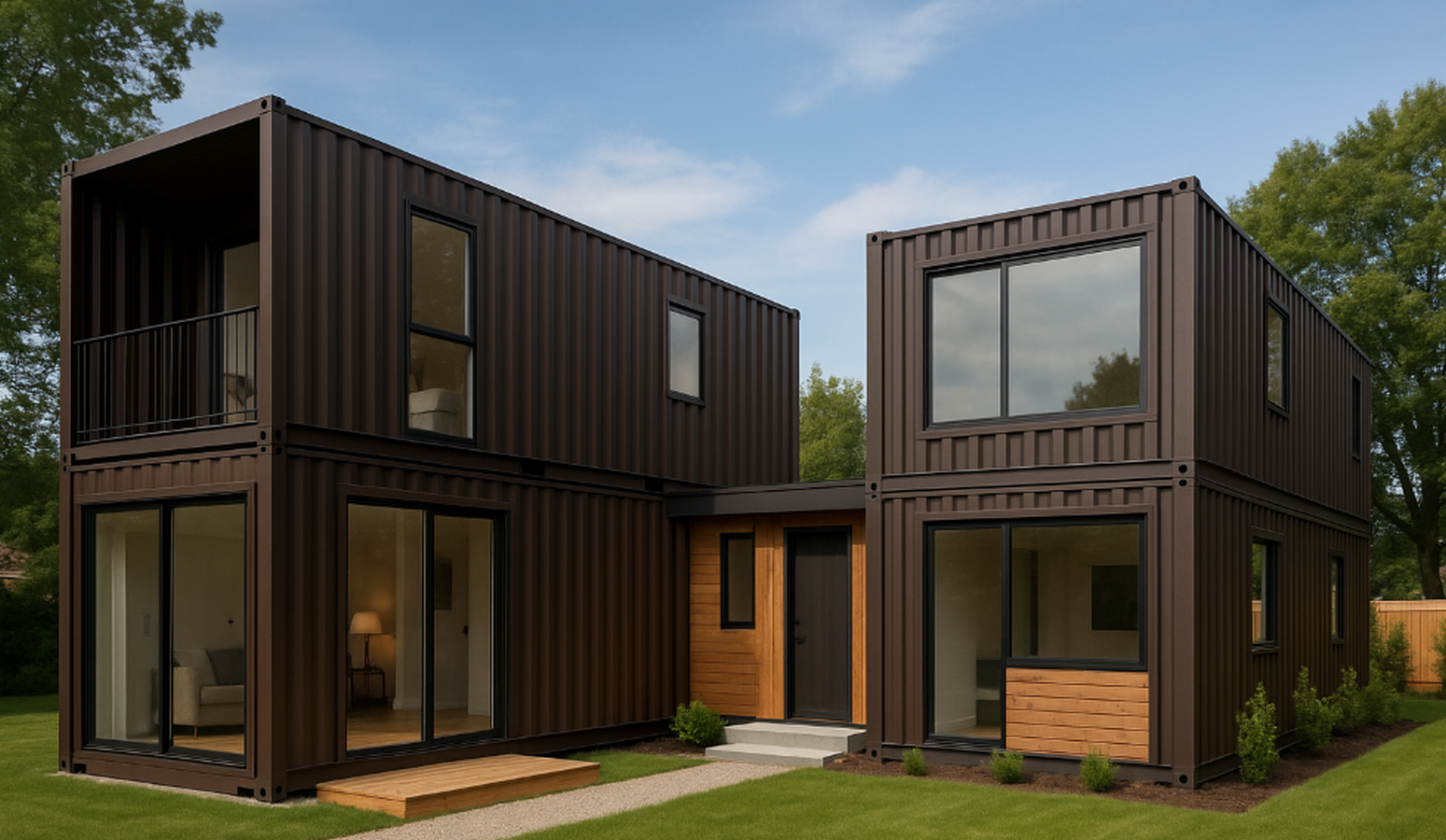 Container Homes
One of its widest applications is for miniaturizing homes yet maintaining chic designs. Whether it’s a studio for a single unit, a multi-container family home, containers can be customized to individual specifications. Designers usually feature floor plans of openness, floor-high windows hatched into steel walls, and minimalist interiors matching traditional homes. One other advantage of containers for homes is their mobility, enabling owners to transport homes easily.
Vacation Cabins and Tiny Houses
If a retreat is desired, shipping containers are great vacation cabins or micro homes. Their pre-assembly module accommodates nicely on compact land sites, suitable for woodsy hideaways, lake shore cottages, or mountain cabins. Insulation and intelligent interior planning can turn them into year-round comfortable habitats.
Rooftop Additions
City sites have little space for extension, yet containers are lifted by crane onto rooftops as extension living quarters or as rental accommodation. They are usually used as home offices, guest rooms, or income-boosting Airbnb rooms.
Workspaces and Offices
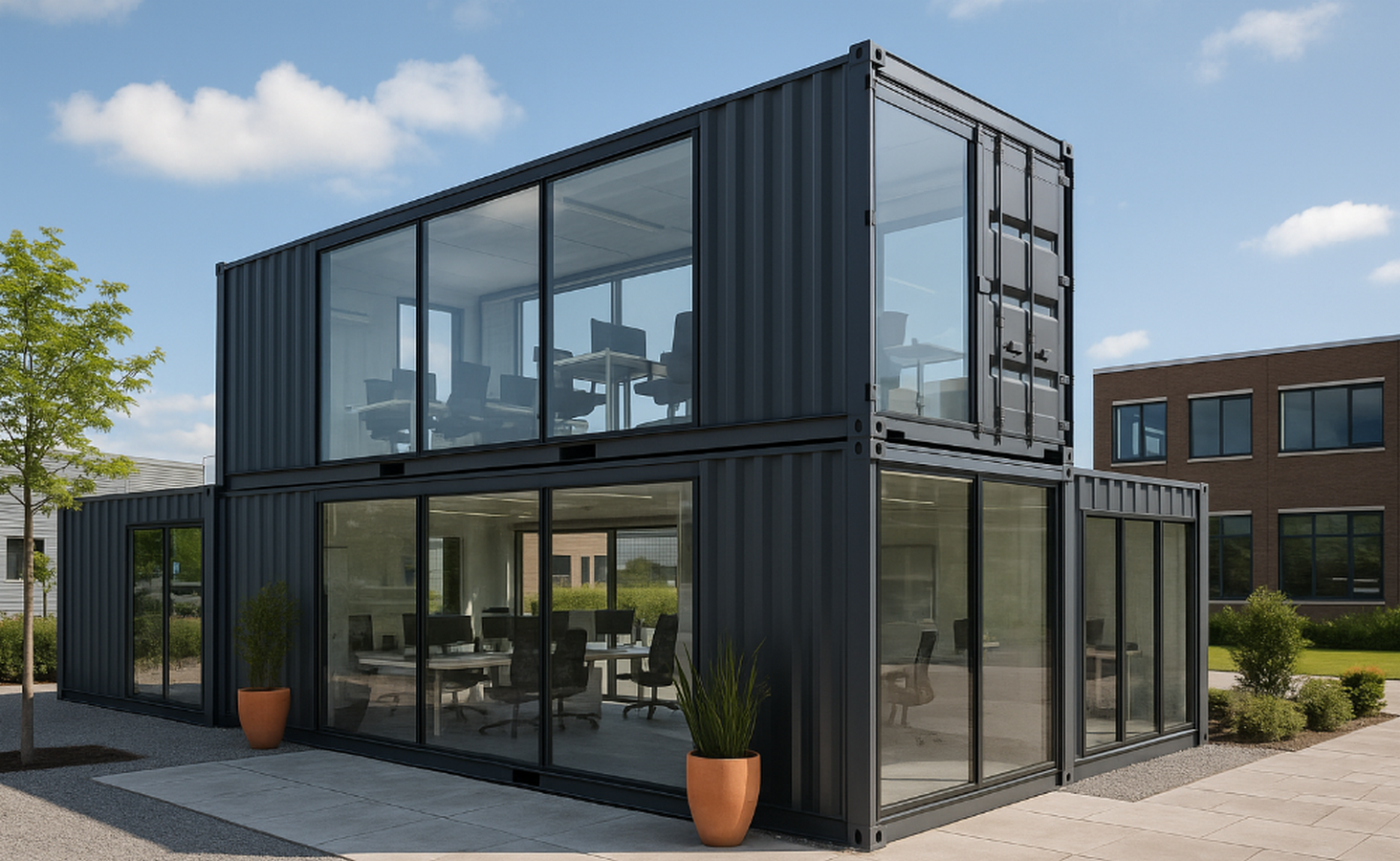 Home Offices
Remote work has seen a rise in demand for dedicated home offices. One shipping container can give a private, quiet, and distraction-free workplace a few steps away from a main house. With soundproofing, climate control, and proper finish, their offices are as professional as any suite downtown.
For event management, disaster relief, and the construction industry, mobility is of the essence. Retractable containers, converted into offices, are transported to a site pre-equipped with communication lines, desks, and an electricity supply. They are moved to their next destination when a project is completed.
Corporate Campuses
On a bigger scale, several containers are designed into modular office buildings for scale-up businesses or new startups. Their modular nature also means they are expandable as teams expand, with their products being scalable solutions apart from traditional real estate.
Retail and Hospitality Applications
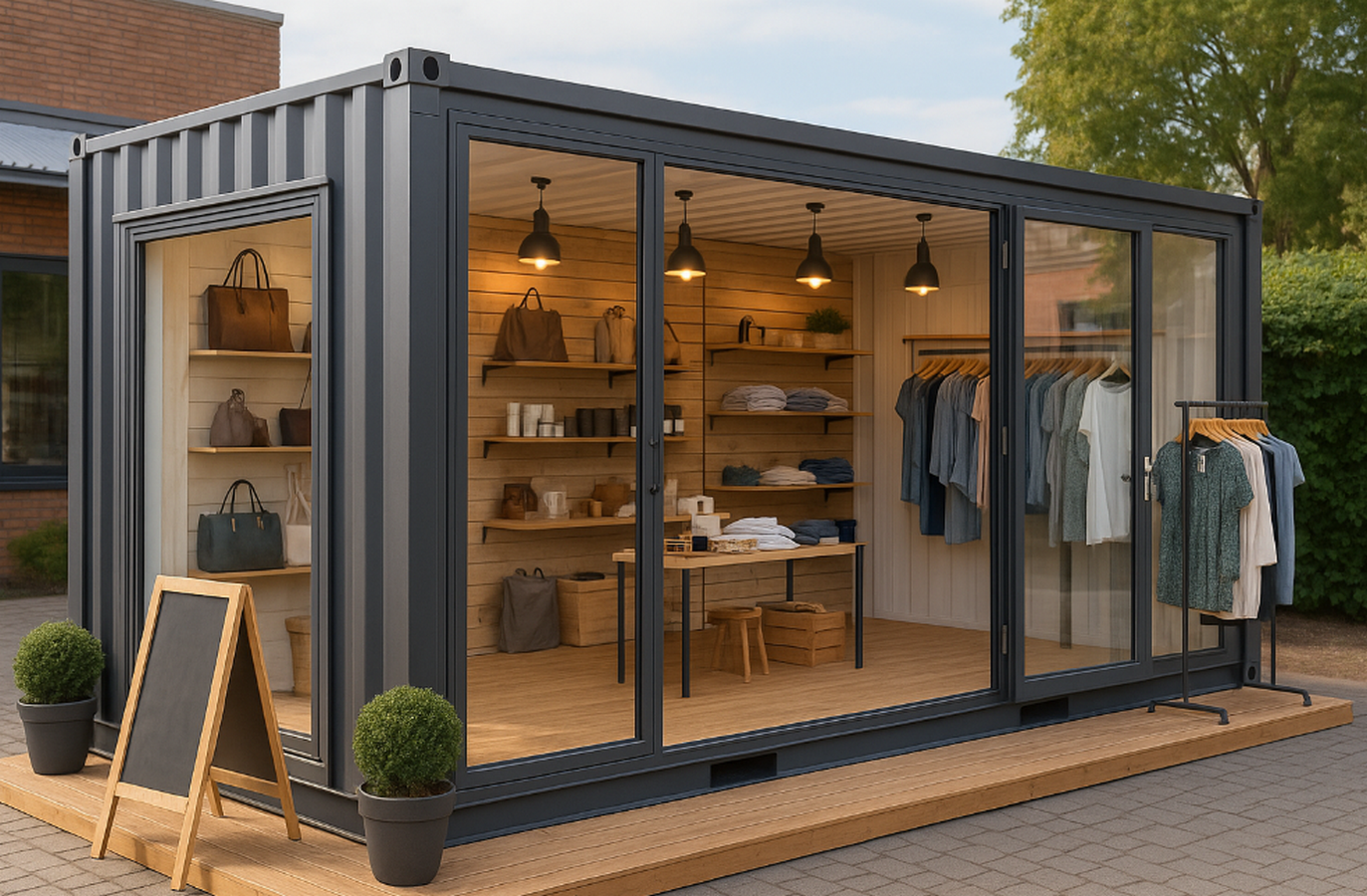 Pop-Up Shops
Containers are being converted into one-off storefronts, eye-grabbing and standing out for being different from standard retail premises. Their small footprint suits their application as a short-term city center, festival, or winter market pop-up store. Through aggressive branding and fitting out, they act as a marketing platform and a working retail center.
Cafes and Restaurants
Shipping containers have been a fashionable foundation for restaurants, food stalls, and even restaurants, full-service restaurants. They have an industrial aesthetic, yet it may be toned down by wood cladding, glass panels, or plants. Modular systems enable indoor dining, patio space outdoors, and kitchens to be incorporated harmoniously.
Hotels and Resorts
A few of today’s innovative boutique hotels employ converted containers as guest rooms. Organized around courtyards or stacked elongated patterns, they achieve a chic, green lifestyle for travelers who want something new.
Industrial and Practical Uses
Workshops and Studios
For artists and craftsmen, containers provide protected, weatherproof workshops. For use in carpentry, metalwork, or artistic projects, containers may be equipped with ventilation, electrical, and tool storage systems.
Storage and Warehousing
Despite being less considered, containers continue to excel in their primary function of being storage containers. With additions of shelving, temperature control, and added security, they are perfect for companies requiring secure and organized warehouses.
Agriculture and Farming
Adaptive containers are used as vertical farms, hydroponic grow rooms, or cold stores for produce. The farmer is advantaged by a controlled growing medium, minimum land use, and year-round production of crops regardless of weather.
Recreational and Lifestyle Innovations
- Gyms and Fitness Studios – A shipping unit is converted into a nicely fitted personal gym or commercial gym equipped with gym machines, mirrors, and ventilation. It is also desirable for open-air fitness communities or a short-term camp for training purposes.
- Pools and Saunas – Altered containers are also possible pools for chic backyard oases or transportable saunas. By waterproofing and adding structure, homes are infused with functionality and a distinct personality.
Design Considerations for Container Projects
It’s also necessary to think about insulation, ventilation, and strength before starting a container project. Containers are constructed of steel, which transfers cold and heat rapidly, so effective climate management is essential. It’s necessary to reinforce the cutting walls for windows and doors to keep them stable.
Consulting professionals who are experts at customizing containers guarantees protection, code acceptability, and long-term durability. From plumbing to electrical work, permits, to codes, zoning requirements, and more, experienced advice may mean between a thriving conversion and expenses leading nowhere.
Looking Ahead: The Future of Container Creativity
With increasing numbers of designers and entrepreneurs getting to know its potential, shipping containers are sprucing up contemporary architecture. They are adaptable enough to incorporate into urban cityscapes, country getaways, and business enterprises. With demand across the world for green and economical solutions, the trend is here to stay.
Containers were perhaps once seen merely as transport vessels, but now they are symbols of opportunity, of creativity, of innovation. From homes to offices, they are a concept of functional design that is both dreamy and green-friendly. To learn more about maximizing the business potential of modified containers, find out how to reuse modified shipping containers to benefit your business https://ceoweekly.com/how-to-reuse-modified-shipping-containers-to-benefit-your-business/. As design trends continue to evolve, shipping container projects are likely to become even more sophisticated, blending advanced technology with eco-conscious building. Their potential is limited only by imagination, ensuring they remain a cornerstone of creative architecture for years to come.