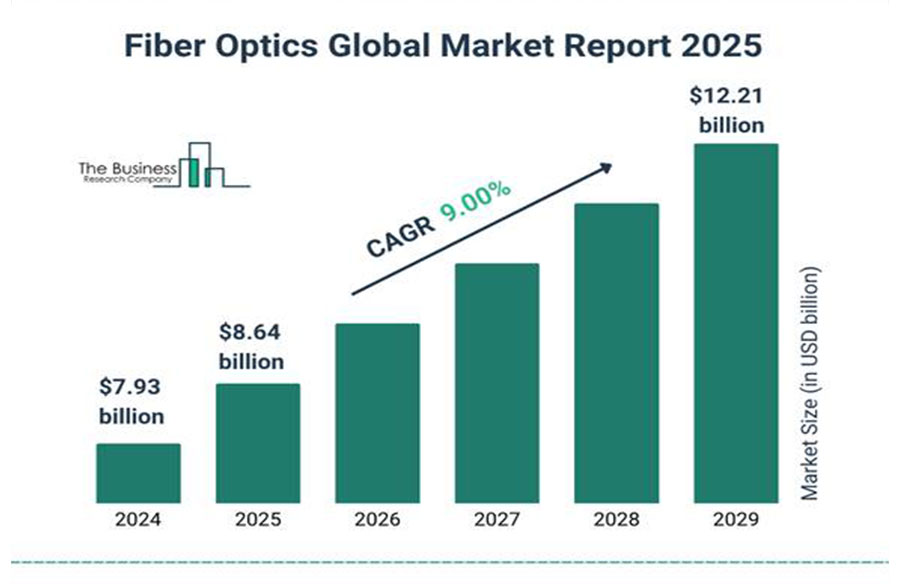
In a remarkably short period, artificial intelligence has become an integral part of life, transforming everything from how we work to how we shop, stream, and communicate. Behind the flashy apps and powerful AI algorithms, however, lies one essential ingredient: fast and reliable internet.
The ai boom depends on fiber internet for the speed and capacity necessary to transfer massive amounts of data in real-time. Fiber makes to possible to train advanced intelligence models, power healthcare diagnostic methodologies, and supporting everyday AI-driven services in homes and businesses.
What is Fiber Internet?
So, just what is fiber internet? Fiber internet is a high-speed broadband connection that utilizes fiber-optic cables, consisting of thin strands of glass or plastic, to transmit data as pulses of light. Fiber offers superior performance to traditional copper or DSL lines, with faster speeds, greater bandwidth, and more reliable performance over long distances.
Fiber Has the Bandwidth to Handle Massive AI Data Demands
Artificial intelligence relies on vast amounts of data, which must be transferred quickly and reliably between devices, servers, and cloud platforms. Even the seemingly simple tasks performed by AI chatbots require large-scale data transfers, resulting in a huge demand for bandwidth. Fiber internet provided by a reputable internet provider is uniquely equipped to handle these needs because it allows for symmetrical upload and download speeds,ultra-low latency, and the capacity to move vast data streams without slowing down. As AI increasingly integrates into daily life and business operations, fiber ensures networks can keep pace with the resulting data demands.
Low Latency for Real-Time Responses
Voice assistants, autonomous systems, fraud detection tools, customer service chatbots, and other AI-powered apps must respond to incoming information within seconds. For these tools to work efficiently, they need low latency (latency describes the delay between sending and receiving data packets).
Fiber internet offers extremely low latency which traditional cable or DSL connections can’t match. Fiber has a latency of approximately 1-7 microseconds. In comparison, cable has a latency of 13-27ms, and satellite internet may have latency rates as high as 600ms.
At 1-7ms, data travels almost instantly, and AI-driven platforms can deliver accurate results the moment they’re needed. Very low latency keeps AI interactions smooth, responsive, and reliable.
Support for Edge Computing and Smart Homes
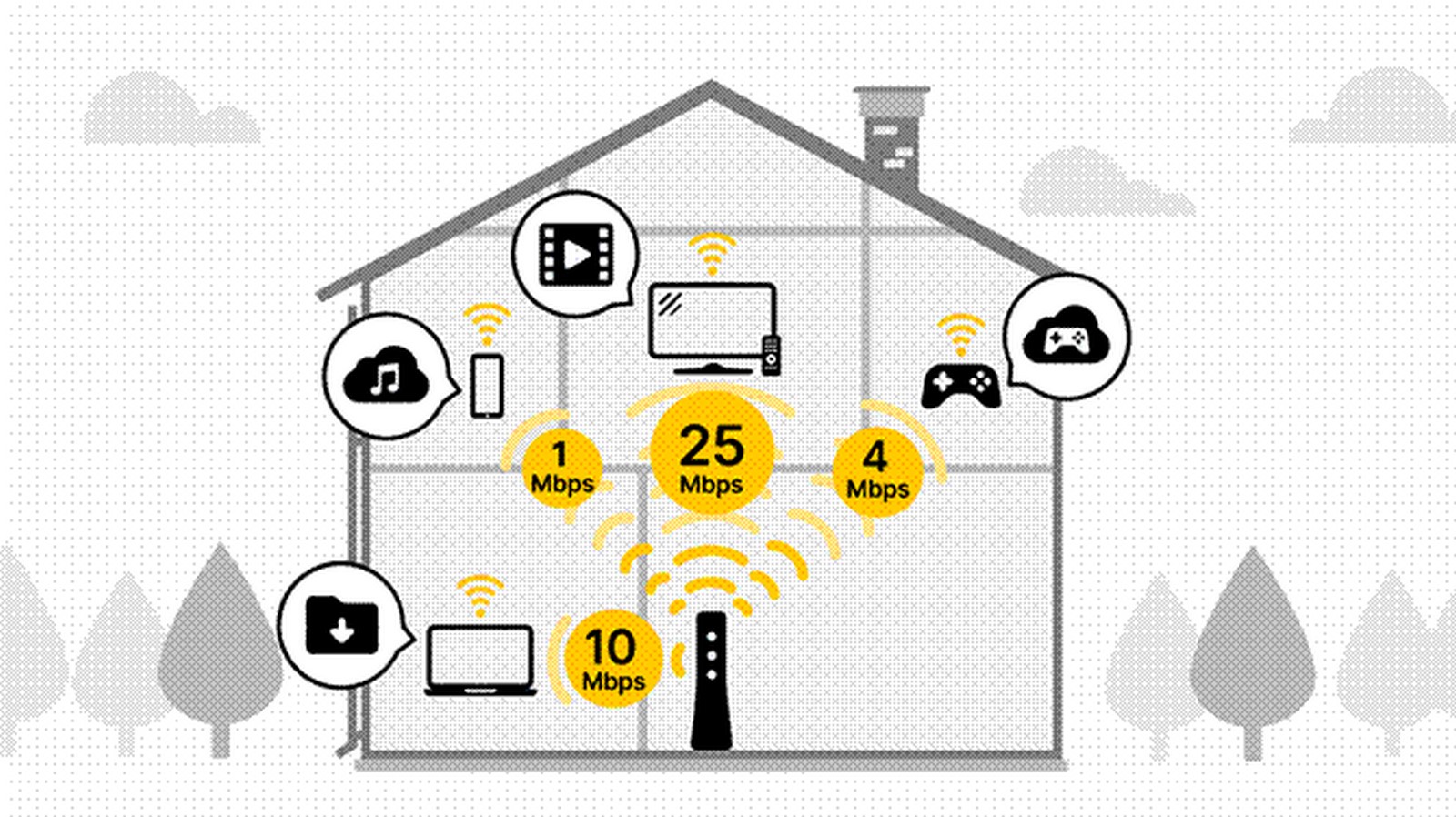
Edge computing and smart home technology brought AI out of the cloud and into homes and businesses, enabling it to be utilized more effectively. Edge computing processes data where it’s generated—whether in sensors, cameras, or home devices—reducing lag and improving efficiency. Fiber internet provides the speed and reliability needed to keep these devices running smoothly without bottlenecks or dropped connections. The right internet speed supports edge computing and smart home gadgets, so homes stay intelligent, responsive, and fully connected.
 Scalability for Future AI Use
AI apps and services are driving a rapid escalation of latency sensitivity and bandwidth appetite. Fiber optic networks supply the high-capacity, low-latency pipelines modern AI systems require, enabling massive data flows, faster model updates, and seamless edge-to-cloud collaboration.
Because fiber offers predictable performance and scalability, organizations can develop and implement AI services without having to replace their core infrastructure. Fiber future-proofs AI: it unlocks innovation now and avoids costly overhauls as models rapidly evolve.
Cleaner and More Efficient Connectivity
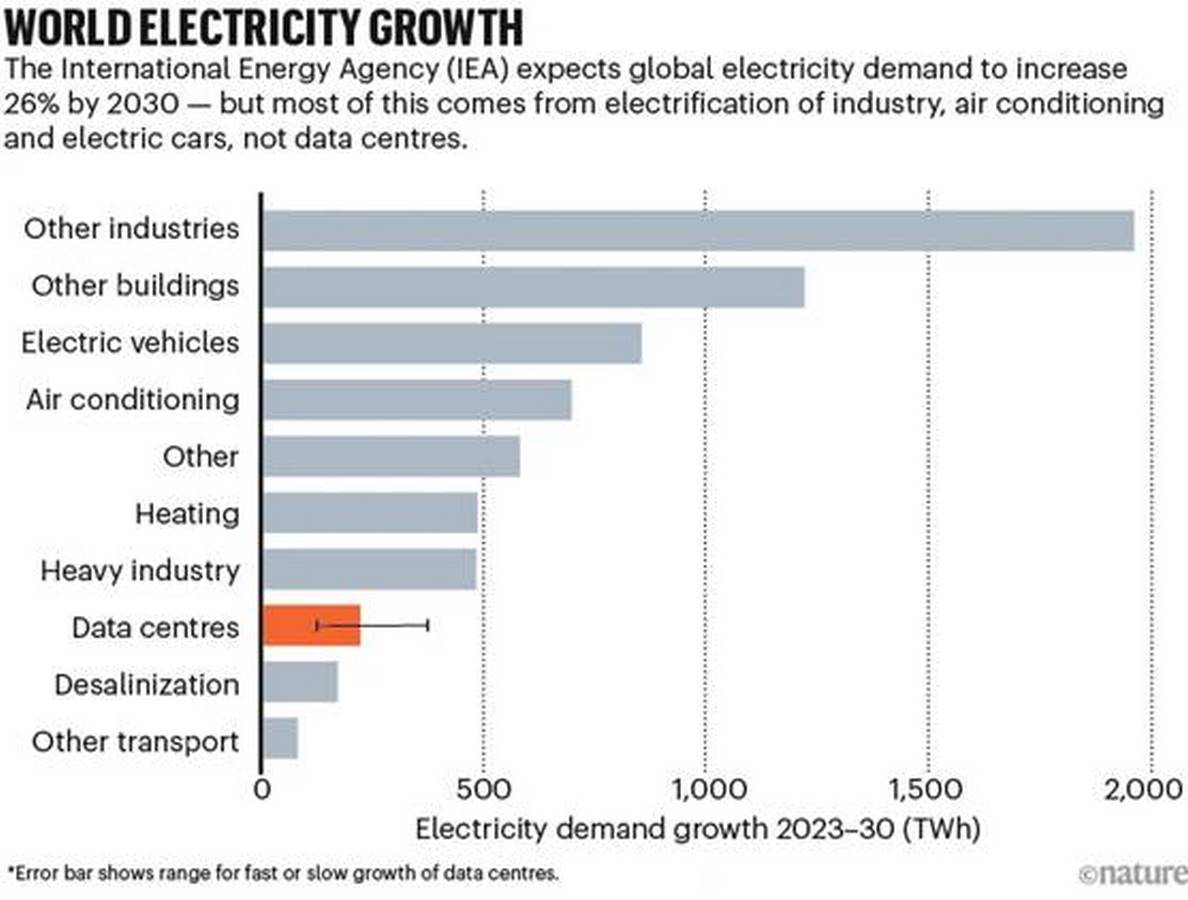
How much energy does AI use? The answer has far-reaching consequences, both in terms of power grid sustainability and environmental impacts. At present, training a large AI model can consume a gigawatt of energy an hour. Fiber helps reduce unnecessary AI energy consumption caused by inefficient data delivery methods. Fewer signal conversions cause less strain on devices and networks. Fiber optics consumes less power per bit compared to copper, offering abundant capacity and predictable performance, which allows AI systems to scale without wasting energy.
 Looking Ahead: Fiber, Efficiency, and Responsible AI Growth
The AI boom is about more than more innovative apps. It’s the changes needed to the internet and energy infrastructure that are needed to support ever-increasing data processing demands. Fiber internet offers the speed, stability, and scalability needed to support the next generation of connected experiences at home and beyond.