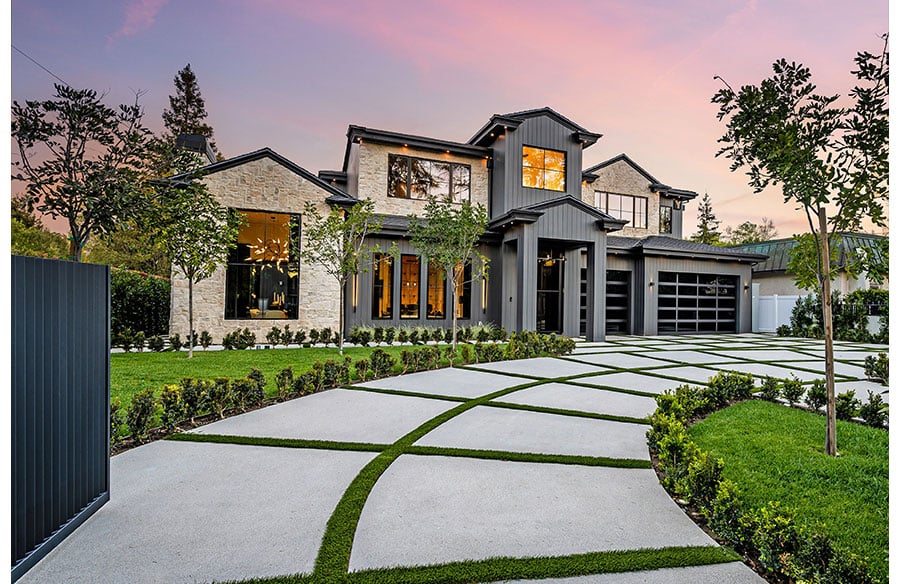
When it comes to first impressions, your front yard walkway plays a bigger role than you might think. It’s more than just a path from the curb to the door—it’s a visual and functional anchor that sets the tone for your entire home.
Whether you’re trying to boost resale value or simply want your home to feel more inviting, a well-designed concrete walkway can make all the difference.
Why Curb Appeal Starts at the Ground Level
Imagine pulling up to a home with cracked, uneven concrete slabs leading to the front door. Even if the landscaping is pristine and the home’s paint is fresh, that flawed path becomes the focal point—and not in a good way.
Curb appeal isn’t just about the house itself. It’s about the entire approach. And because the walkway is often the first interaction someone has with your property—whether it’s a guest or a potential buyer—it has the power to elevate or diminish your home’s overall impression.
Concrete: The Unsung Hero of Walkway Materials
Concrete is no longer just the gray, utilitarian material it once was. Thanks to modern techniques like stamping, staining, brushing, and scoring, today’s concrete walkways offer a wide range of textures and tones that can mimic stone, brick, or even wood.
Its durability, affordability, and design versatility make it a favorite for homeowners and contractors alike. Unlike gravel or wood, concrete holds up year-round, requires minimal upkeep, and integrates seamlessly with most front yard landscapes.
Design that Guides the Eye (and Foot)
Walkway design should be intentional. A direct path might be best for modern homes with minimalist landscaping, while curved walkways can complement traditional or cottage-style homes by softening the approach.
Design elements like width, border materials, and the angle of the path can subtly influence how someone experiences the entrance. A path that curves around a garden bed or includes a widened section near the door invites people to pause, look around, and appreciate the space.
Think of your walkway as a visual introduction. The right layout can draw attention to architectural details, lead the eye toward focal points like lighting or plants, and help the home feel more balanced and connected to the yard.
Function First—But Never at the Cost of Style
While aesthetics matter, functionality is non-negotiable. The walkway must be safe, slip-resistant, and wide enough for two people to walk side-by-side.
Here’s where thoughtful concrete design comes into play. Adding a textured finish can reduce slipping in wet conditions, while slightly grading the walkway away from the home ensures proper water drainage.
If your front yard is on a slope, concrete also offers stability and consistency compared to modular pavers or wood steps. With proper reinforcement and control joints, it can handle freeze-thaw cycles and heavy foot traffic with minimal cracking.
Small Details Make a Big Impact
Good design is often about the little things—edges, transitions, lighting, and how the walkway interacts with the landscape.
- Bordering the walkway with pavers or a different colored concrete can create contrast and help define the path.
- Incorporating lighting along the edge of the walkway not only enhances safety but also extends curb appeal into the evening.
- Tying in textures and shapes from the driveway or porch creates a cohesive look and avoids visual clutter.
These design choices don’t have to be expensive. But they do require planning and an eye for cohesion. A walkway that feels like an afterthought can drag down the whole front yard, while one that’s integrated seamlessly can elevate even modest homes.
The Real ROI of a Well-Designed Walkway
According to real estate experts, homes with strong curb appeal tend to sell faster and for more money. While it’s tough to assign a specific ROI to walkway design alone, it’s clear that a polished entry point contributes to that value.
In neighborhoods where homes are similarly priced and sized, details like landscaping and walkway design can tip the scales. Buyers form opinions within seconds of arriving, and a clean, attractive approach signals that the rest of the home is equally well-maintained.
More importantly, for homeowners planning to stay put, a walkway designed with both style and purpose adds everyday satisfaction. It frames your home, welcomes guests, and quietly reminds you that details matter—even before anyone steps inside.
Working with a Professional Makes a Difference
While DIY walkway projects might seem manageable, hiring a concrete contractor experienced in residential front yard design can pay off in both appearance and performance.
A professional can:
- Assess your yard’s slope, drainage, and soil type
- Recommend durable finishes and textures for your climate
- Integrate your walkway with existing landscaping and hardscaping
- Pour and cure the concrete properly to minimize cracks
It’s worth noting that reputable contractors also understand local building codes and HOA guidelines—saving you time, fines, and headaches down the line.
[For examples of beautifully crafted walkways and expert tips on materials and layout, check out the concrete design gallery at Park City Landscaping—a trusted concrete contractor.]
Final Thoughts
Concrete walkways are more than functional slabs. They guide guests, frame your home’s exterior, and shape first impressions. With thoughtful design and professional execution, your front yard path becomes an asset—not just a surface.
Whether you’re upgrading for aesthetics, safety, or resale value, investing in quality walkway design is one of the simplest ways to boost curb appeal—and one you’ll notice every time you come home.