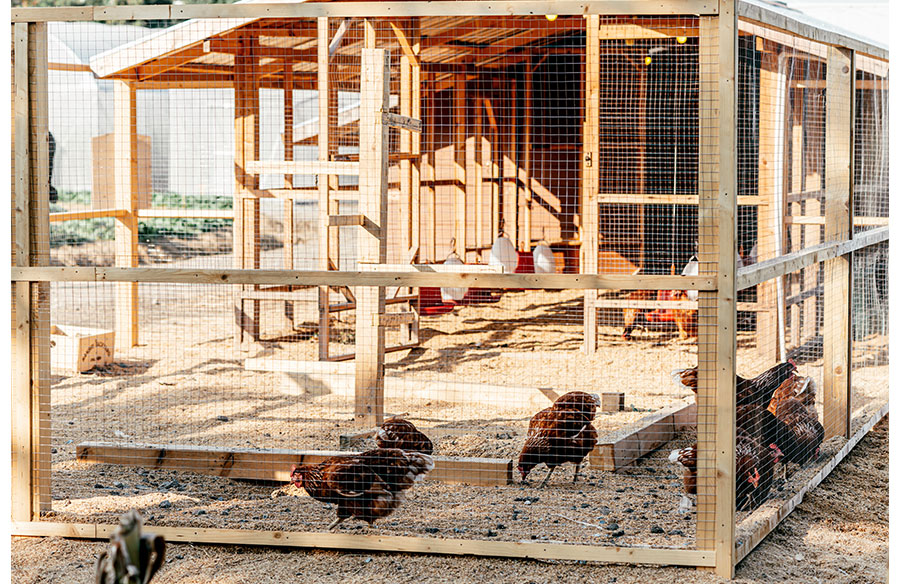
When it comes to the safety of your chickens, they need a safe and comfortable environment to stay healthy and productive. Careful planning is needed to ensure that the living area meets their needs and keeps stress low. Many backyard poultry keepers miss small adjustments that make a big difference for the flock.
A Chicken Coop placed in the right spot protects chickens from predators while letting in sunlight. Proper orientation also shields them from harsh weather and allows natural airflow. Choosing the best location makes daily care and maintenance much easier. This guide shows practical strategies to position the coop for maximum comfort and safety.
Select the Right Location
You know, the secret to a happy flock is finding the right spot in your yard. You must look for a place that gets morning sun. It acts like a natural alarm clock for the girls. In the afternoon, find a tree or fence that provides shade. This gives them a cool spot to rest when it gets hot.
Before setting up the coop, check for debris in the grass. A few shrubs nearby give them a safe place to hide. Keep a clear line of sight to spot any predators. Make it easy on yourself by choosing a spot near the back door. It makes feeding and cleaning faster and simpler.
Ground and Soil Preparation
Don’t overlook the dirt in the soil. The type of soil under the coop matters. Sandy soil drains well and keeps muddy spots at bay. Clay can hold water and encourage parasites or bacteria. If you can add a layer of gravel under the foundation, it will keep moisture away from the floor.
Leveling and compacting the ground prevents the structure from sagging. Stones or bricks around the base can reduce erosion over time. Checking the ground regularly keeps it firm and safe. Healthy soil makes cleaning and maintenance much easier.
Sunlight and Shade Balance
Chickens do best when they can enjoy both sunlight and shade. Morning sun helps with vitamin D production, which keeps eggshells strong. Afternoon shade prevents overheating and gives the birds a comfortable place to rest. Trees or shade cloths create this balance without blocking airflow.
You should keep an eye on how the sun moves throughout the year and adjust the coop if needed. Low shrubs or hedges can add wind protection. Make sure feeding areas stay shaded during the hottest months. Getting sunlight and shade right helps birds stay healthy and productive.
Ventilation and Airflow
Fresh air is one of the simplest ways to keep chickens comfortable. Windows and vents let air move through without creating drafts for resting birds. Good airflow reduces ammonia from droppings and protects breathing. Position openings so cold winds don’t hit the coop directly in winter.
Adjustable vents give flexibility when the weather changes quickly. Small screened vents near the roof keep air moving consistently. Watching airflow inside the coop prevents damp spots and mold. Proper ventilation keeps chickens happy all year round.
Predator Protection
Keeping predators away requires a mix of smart design and good placement. Fencing should go below ground to stop digging animals. Overhead mesh keeps birds safe from hawks and other aerial predators. Open visibility discourages rodents and larger animals from sneaking in.
Lockable doors add an extra layer of security. Outdoor lighting can help keep nocturnal predators away. Regular checks of fences and gates ensure everything stays safe. A few well-placed defenses give peace of mind for both birds and the keeper.
Drainage Solutions
Water management is key to comfort and hygiene. Slight slopes let rain flow away naturally. Gutters or channels can redirect water to safe areas. Mulch or wood chips soak up extra moisture and reduce erosion.
Watch for low spots where puddles form; these attract insects and bacteria. Gravel trenches can improve drainage even more. Adjust drainage paths seasonally to keep things dry. Dry ground helps chickens stay healthy and bedding stay clean. Good drainage makes daily care much easier.
Accessibility and Maintenance
Paths around the coop should be clear for easy feeding and cleaning. Removable trays or doors make waste removal quick. Storage nearby keeps feed and supplies organized and protected. Regular checks catch early signs of damage or hazards.
Safe walkways reduce the risk of slips or accidental damage. Keeping tools nearby means quick fixes are simple. Easy access saves time and stress. A coop designed with accessibility in mind makes daily chores much easier.
A Chicken Coop positioned carefully provides comfort and protection for the flock. Proper site choice and balanced sunlight create a healthy home. Strong structure and good airflow maintain security and support health. These strategies result in a happier flock with less stress. A well-placed coop forms the foundation for successful backyard poultry management.