The Everest Base Camp (EBC) trek is more than a hike—it’s a journey through the world’s most dramatic landscapes, a gradual ascent into thin air, and a cultural immersion into the heart of the Sherpa homeland. Over 12–14 days, trekkers trace ancient trade routes, cross suspension bridges draped in prayer flags, and wake each morning surrounded by towering Himalayan peaks.
Below is a complete day-by-day breakdown of the standard 14-day itinerary, crafted for those who want to understand exactly what awaits them—physically, culturally, and emotionally—on this iconic route.
Day 1: Flight from Kathmandu to Lukla (2,840 m) – Trek to Phakding (2,610 m)
Distance: 8 km
Trekking Time: 3–4 hours
Elevation Gain/Loss: ↓ 230 m
The Journey Begins:
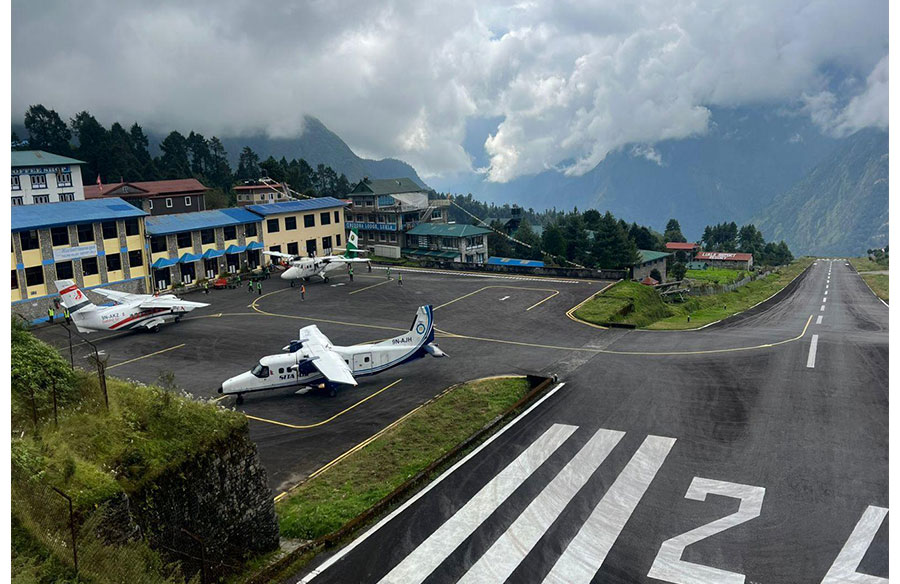
The adventure starts with a short but thrilling 25-minute Kathmandu to Lukla by Helicopter flight, often called “the gateway to Everest.” Lukla’s tiny airstrip clings to a mountainside—an unforgettable initiation into Himalayan trekking.
After meeting your porter and guide, you’ll begin your hike on a gentle downhill path through Chaurikharka Village and Dudh Koshi Valley. Rhododendrons and pines line the trail, with mani walls and fluttering prayer flags marking the way.
Overnight: Tea house in Phakding—a cozy riverside village with warm lodges and views of Kusum Kanguru.
Pro Tip: Start hydrating immediately; drink 3–4 liters of water daily to prepare your body for altitude.
Day 2: Phakding to Namche Bazaar (3,440 m)
Distance: 10–11 km
Trekking Time: 6–7 hours
Elevation Gain: ↑ 830 m
The path follows the Dudh Koshi River, crossing several high suspension bridges, including the iconic Hillary Bridge swaying dramatically over a deep gorge. The climb to Namche is the first real test—steep switchbacks wind upward through pine forest.
About halfway, you’ll catch your first glimpse of Everest, framed between ridgelines if the weather is clear. The trail passes through the entrance of Sagarmatha National Park, where permits are checked.
Overnight: Tea house in Namche Bazaar, the bustling Sherpa capital with cafés, bakeries, gear shops, and even ATMs.
Pro Tip: Take the climb slowly. “Go high, sleep low” becomes your mantra for the rest of the trek.
Day 3: Acclimatization Day in Namche Bazaar (3,440 m)
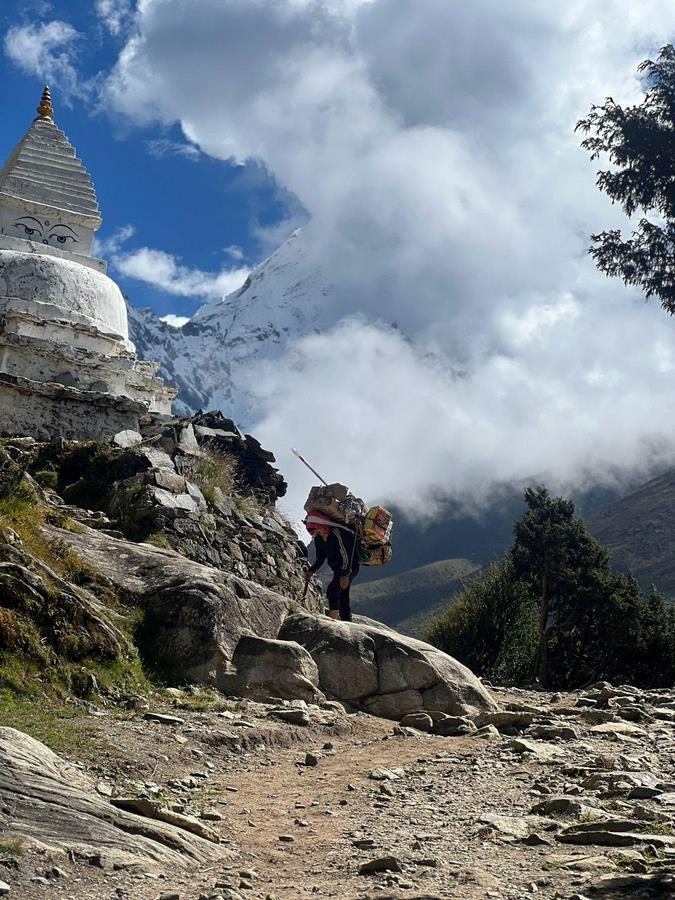 Purpose: Acclimatization (No altitude gain for overnight stay)
This rest day isn’t for idleness—it’s to help your body adapt. After breakfast, make an acclimatization hike to Hotel Everest View (3,880 m), one of the highest hotels in the world. On a clear morning, you’ll enjoy panoramic views of Everest, Lhotse, Nuptse, and Ama Dablam.
Descend back to Namche in the afternoon, visiting the Sherpa Culture Museum or exploring local markets. Try yak cheese or butter tea—local delicacies that power the Sherpas on mountain expeditions.
Overnight: Namche Bazaar
Pro Tip: Even on rest days, keep moving—short hikes improve acclimatization efficiency.
Day 4: Namche Bazaar to Tengboche (3,860 m)
Distance: 9 km
Trekking Time: 5–6 hours
Elevation Gain: ↑ 420 m
Leaving Namche, the trail contours along a ridge with breathtaking views of Ama Dablam’s elegant pyramid peak. You’ll descend to Phunki Tenga by the river before tackling a steep uphill through rhododendron forest to Tengboche.
Tengboche is famed for its Buddhist monastery, the largest in the Khumbu region. In the late afternoon, join the monks’ chanting ceremony—it’s a spiritual moment that contrasts beautifully with the rugged terrain.
Overnight: Tea house near the monastery with views of Everest glowing pink at sunset.
Pro Tip: Electricity is limited here—charge devices in Namche if possible.
Day 5: Tengboche to Dingboche (4,410 m)
Distance: 11 km
Trekking Time: 6 hours
Elevation Gain: ↑ 550 m
You’ll descend through birch and conifer forests to Debuche before crossing the Imja Khola River. The trail passes through Pangboche, one of the oldest Sherpa settlements, home to a historic monastery believed to have once housed a “Yeti scalp.”
As you climb above the tree line, vegetation gives way to alpine shrubs. The air grows thinner, and the landscape opens dramatically toward Ama Dablam. Dingboche is a charming agricultural village surrounded by stone walls protecting barley fields from wind and grazing yaks.
Overnight: Tea house in Dingboche—expect colder nights but warmer Sherpa hospitality.
Pro Tip: Avoid alcohol; focus on hydration and a protein-rich diet (try garlic soup—it’s believed to aid acclimatization).
Day 6: Acclimatization Day in Dingboche (4,410 m)
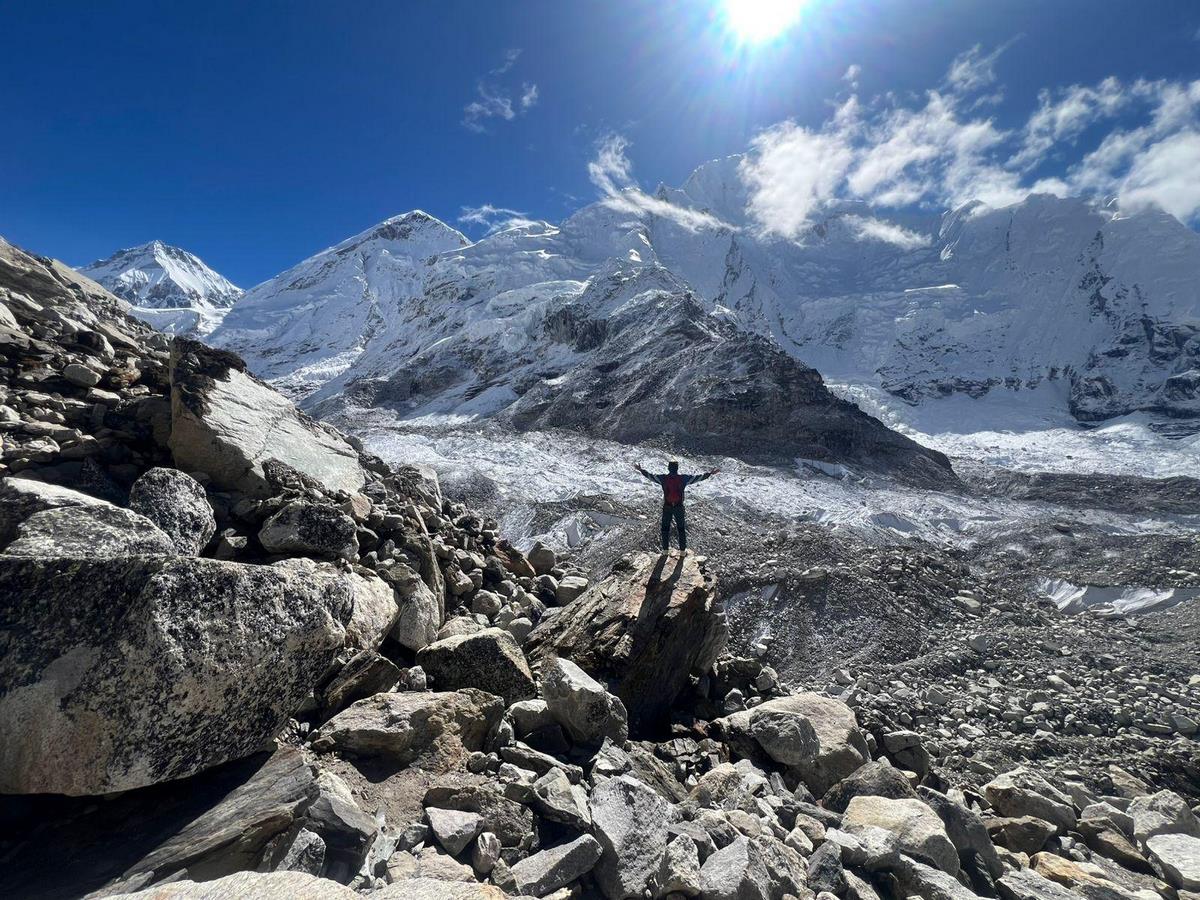 Purpose: Altitude adjustment before heading higher
Climb the nearby Nangkartshang Peak (5,083 m)—a steep but rewarding half-day hike. From the summit, you can see Makalu, the world’s fifth-highest mountain, and a sweeping view of the Imja Valley.
Afternoons are ideal for rest, laundry, or chatting with other trekkers. By this point, you’ll notice how daily tasks take longer—the altitude slows everything down, teaching patience and respect for the mountains.
Overnight: Dingboche
Pro Tip: Eat light, sleep warm, and keep an eye out for symptoms of AMS (headache, loss of appetite, nausea).
Day 7: Dingboche to Lobuche (4,910 m)
Distance: 8 km
Trekking Time: 5–6 hours
Elevation Gain: ↑ 500 m
The trail gradually ascends toward Dughla (4,620 m), where most trekkers stop for tea before climbing the steep Thukla Pass. Here, you’ll encounter memorial cairns honoring climbers who perished on Everest—an emotional and humbling reminder of the mountain’s power.
Beyond the pass, the path levels out as you approach Lobuche, a small cluster of lodges nestled beneath towering peaks. The oxygen level is now about 50% of sea level, so even minor exertion feels demanding.
Overnight: Tea house in Lobuche—basic accommodation, limited menu options, but priceless mountain views.
Pro Tip: If you’re struggling with altitude, communicate with your guide early. Extra rest days can make the difference between success and evacuation.
Day 8: Lobuche to Gorak Shep (5,164 m) – Everest Base Camp (5,364 m) – Return to Gorak Shep
Distance: 15 km round trip
Trekking Time: 7–8 hours
Elevation Gain: ↑ 450 m
This is the most anticipated and demanding day of the trek. The morning route to Gorak Shep follows glacial moraine, uneven and rocky terrain with the Khumbu Glacier shimmering beside you.
After lunch and dropping your bag at the teahouse, continue to Everest Base Camp, following a winding path over ridges and ice flows. Colorful prayer flags and expedition tents dot the gray moraine. You won’t see Everest’s summit from base camp, but you’ll stand at the foot of the world’s highest peak—an emotional milestone.
Overnight: Tea house in Gorak Shep—the highest sleeping point of the trek. Nights are freezing, and oxygen levels hover around 50%.
Pro Tip: Take photos early; clouds often roll in by afternoon. Move slowly and drink plenty of fluids.
Day 9: Gorak Shep to Kala Patthar (5,545 m) – Descent to Pheriche (4,280 m)
Distance: 14 km
Trekking Time: 7–8 hours
Elevation Gain/Loss: ↑ 400 m / ↓ 1,200 m
Wake before dawn for the sunrise climb to Kala Patthar, the highest point of the trek. The steep 2-hour ascent rewards you with the best panoramic view of Mount Everest along with Pumori, Nuptse, and the Khumbu Glacier glowing in golden light.
After descending to Gorak Shep for breakfast, retrace your steps down to Pheriche, where breathing feels easier and lodges are more comfortable.
Overnight: Tea house in Pheriche—warmer, lower altitude, and great place to celebrate your summit.
Pro Tip: Descending too quickly can strain knees—use trekking poles and take breaks.
Day 10: Pheriche to Namche Bazaar (3,440 m)
 Distance: 18 km
Trekking Time: 7–8 hours
Elevation Loss: ↓ 840 m
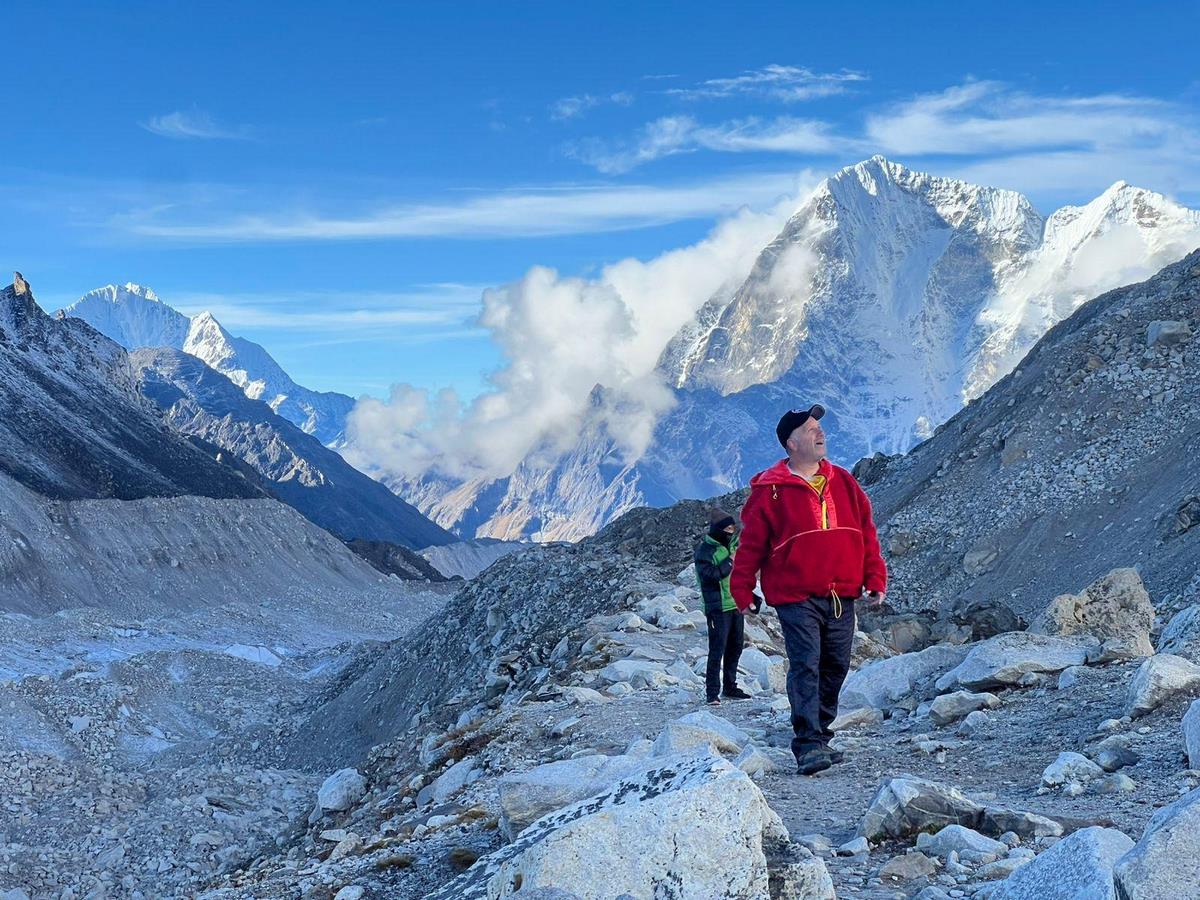
Today is a long descent through Pangboche and Tengboche back to Namche. You’ll revisit the monastery, but this time the climb feels easier thanks to your acclimatized lungs.
Cross suspension bridges again, now with a deep sense of nostalgia and pride. Namche’s comfort—hot showers, fresh coffee, maybe even Wi-Fi—feels like a luxury after days at high altitude.
Overnight: Namche Bazaar
Pro Tip: Treat yourself to a fresh bakery item—apple pie never tasted better than at 3,400 meters.
Day 11: Namche Bazaar to Lukla (2,840 m)
Distance: 19 km
Trekking Time: 7–8 hours
Elevation Loss: ↓ 600 m
The trail retraces the same route you started with, but it feels entirely different—lighter backpacks, thinner air, and full hearts. Expect a mix of joy and fatigue as you cross the final bridges and reach Lukla.
In the evening, celebrate with your guides and porters. Many trekkers share gratitude speeches or small tips as tokens of appreciation—these gestures mean a lot to the local crew.
Overnight: Tea house in Lukla
Pro Tip: Flights can be delayed due to weather. Keep at least one buffer day in your schedule.
Day 12: Fly Back to Kathmandu (1,400 m)
Flight Time: 25–30 minutes
Early morning, take the scenic flight back to Kathmandu, weather permitting. Watching the Himalayan range fade beneath the clouds is bittersweet—both a farewell and a call to return.
Spend the rest of the day enjoying Kathmandu’s Thamel district, reflecting on your journey, and perhaps booking a well-earned massage.
Optional Extensions
- Gokyo Lakes via Cho La Pass: Adds 2–3 days but rewards trekkers with turquoise lakes and a less-crowded path.
- EBC Helicopter Return: For those short on time, you can trek up and return by helicopter from Gorak Shep.
- Island Peak Climb: Experienced trekkers often add this 6,189 m peak climb as a post-EBC challenge.
Key Trekking Insights and Tips
1. Acclimatization & Health
Follow the “climb high, sleep low” principle and ascend no more than 500 m per day after Namche. Carry Diamox (acetazolamide) if recommended by your doctor, and know early AMS warning signs: persistent headache, loss of appetite, dizziness, or nausea.
2. Permits
You’ll need:
- Sagarmatha National Park Entry Permit
- Khumbu Pasang Lhamu Rural Municipality Permit
Both are obtainable in Kathmandu or at the entry checkpoints near Lukla.
3. Accommodation & Food
Tea houses offer twin rooms with basic bedding. Showers are solar-heated (sometimes icy) and cost extra. Menus include dal bhat, noodles, fried rice, and hearty soups—simple but satisfying.
4. Gear Essentials
A four-season sleeping bag, down jacket, layering system, trekking poles, and water purification tablets are non-negotiable. Rent or buy in Kathmandu’s Thamel area.
5. Cultural Etiquette
Always pass prayer wheels clockwise, remove shoes before entering monasteries, and greet locals with “Namaste.” Respect yaks—they have right of way!
6. Weather & Best Seasons
- Pre-Monsoon (March–May): Rhododendrons bloom; clear skies, warmer.
- Post-Monsoon (September–November): Best visibility and stable weather.
- Winter (Dec–Feb): Clear but frigid; some lodges may close.
- Monsoon (June–Aug): Wet, leeches, frequent flight cancellations—best avoided.
7. Fitness Preparation
Train 8–12 weeks before departure with cardio, stair climbing, and weighted hikes. Focus on endurance, not speed. Trekking at altitude rewards steady pacing and strong willpower more than athletic performance.
8. Mental Readiness
Altitude trekking is as much psychological as physical. Expect tough days, cold nights, and moments of exhaustion. Balance them with gratitude—the Himalayas reveal their magic to those who move with humility.
Final Thoughts: Walking the Path of Legends
Standing at Everest Base Camp trek, surrounded by ice, wind, and prayer flags, you realize the trek isn’t only about reaching a destination. It’s about each slow step through thinning air, every sunrise revealing new peaks, and the quiet moments shared with fellow trekkers and Sherpa hosts.
This journey tests endurance but rewards the spirit with something rare—an intimate connection to the world’s tallest mountains and the people who call them home.
“Step by Step to the Sky” is more than a title—it’s the essence of the Everest Base Camp experience. Each day carves a deeper respect for the Himalayas, reminding every trekker that the greatest summits are reached not by racing upward, but by moving mindfully, one breath at a time.