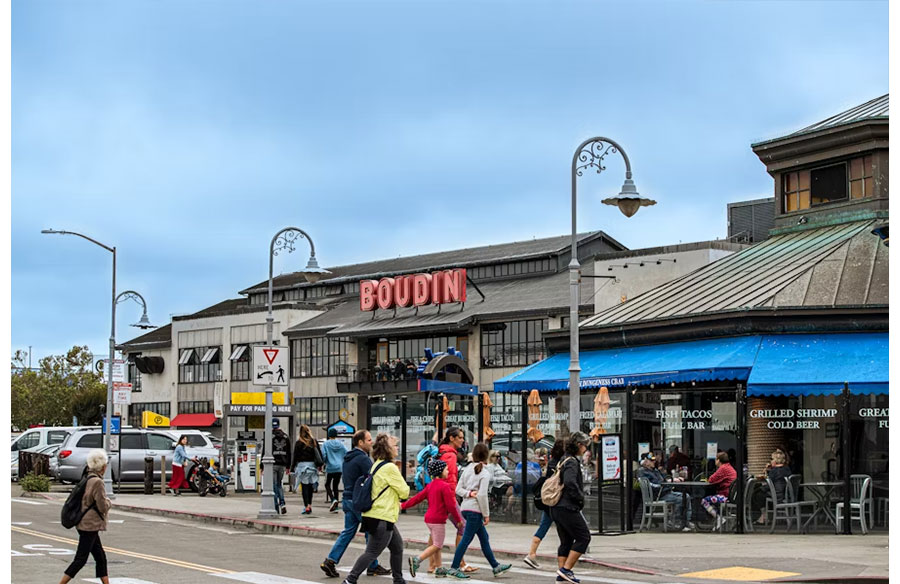
Walk down any city street, and you’ll notice something interesting. Between the coffee shops and clothing stores, there are always a few buildings where people go when they need money fast. These aren’t your typical banks with their marble columns and intimidating lobbies. They’re different, and their architecture tells a fascinating story about how real people access cash when life throws them a curveball.
Every city has them. Some are tucked into corner shops with bright signage. Others occupy historic buildings that have been serving communities for generations. These spaces aren’t just functional—they’re designed with specific purposes in mind, and understanding their architecture reveals a lot about how our cities actually work.
The Historical Roots of Quick Lending Architecture
The idea of buildings dedicated to quick cash access isn’t new. Go back to ancient Rome, and you’d find money changers operating from market stalls in the forum. Medieval towns had their money lenders tucked into narrow streets near marketplaces. These weren’t random locations—they were strategic.
By the Victorian era, lending institutions had become permanent fixtures in city planning. The architecture during this period was all about sending a message. Think heavy stone facades, brass fixtures that gleamed in the sunlight, and doorways that looked solid enough to withstand anything. These buildings needed to look trustworthy because they were asking people to trust them with their valuables or their financial futures.
Location mattered too. Financial service buildings almost always positioned themselves on busy streets where everyone could see them. Visibility meant legitimacy. A ground-floor shop with large windows showed you had nothing to hide. The materials used—whether granite, marble, or even simple brick—were chosen to suggest permanence and stability.
What’s fascinating is how these architectural choices created a template that still influences how lending spaces look today. Even modern financial service buildings borrow from these historical cues, whether they realize it or not.
Diverse Architectural Forms of Financial Access Points
 Not all money buildings look the same, and that’s by design. Each type of financial service attracts different people and solves different problems, so their architecture reflects that.
Check cashing stores often occupy retail spaces with large windows and bright lighting. They want to look accessible and quick—no appointment needed, no waiting in line for a bank teller. Their signage is bold and visible from down the street because their customers need to spot them easily.
Credit unions sometimes share buildings with community centers or occupy renovated houses, giving them a neighborhood feel. Their architecture says “we’re part of your community” rather than “we’re a big corporation.”
Then you have establishments offering collateral-based lending. These come in various forms, from traditional high-street shops to upscale boutique-style locations. Modern services like Pawn Shop Loans against luxury items have completely reimagined what these spaces can look like. Instead of the stereotypical storefront with bars on the windows, high-end versions operate from discreet, professionally designed spaces in affluent areas. Their architecture emphasizes privacy and sophistication—think private consultation rooms, elegant lighting, and locations that blend into luxury shopping districts.
The contrast is striking. Traditional pawnbroking establishments might have security grilles and fluorescent lighting, designed for high-street visibility and transaction volume. Meanwhile, premium services targeting different clientele choose architecture that feels more like a private gallery or boutique jeweler.
Payday loan stores typically occupy small retail units with straightforward layouts. Their design philosophy is efficiency—get in, complete your transaction, get out. Money transfer services often integrate into existing retail spaces like convenience stores, requiring minimal architectural modification.
What you’re really seeing is architecture as a communication tool. Each building style tells you who it serves and how it wants to be perceived.
Design Elements That Build Trust and Security
Here’s where architecture gets psychological. These buildings need to make you feel two contradictory things at once: safe enough to enter, but secure enough to trust with your transaction.
Security features are obvious once you start looking. Reinforced glass isn’t just for show—it’s designed to protect both staff and customers. Security cameras are positioned visibly, partly for actual security but also to make people feel protected. Vault doors, even when partially visible, send a subliminal message about safekeeping.
But there’s more to it than just locks and cameras. Interior design plays a huge role in customer comfort. Some places use open floor plans to create transparency—you can see everything happening, which builds trust. Others use private consultation rooms because discretion matters more than visibility for their clientele.
Lighting makes a bigger difference than you’d think. Professional, warm lighting makes spaces feel welcoming rather than institutional. Clean lines and organized spaces suggest professionalism and reliability. Even the choice of flooring material—tile versus carpet, for instance—affects how people perceive the space.
Modern financial service buildings balance welcoming accessibility with necessary security. You want people to walk in confidently, but you also need to protect assets and prevent problems. It’s a tricky balance, and good architecture solves it elegantly.
Contemporary Evolution and Urban Integration
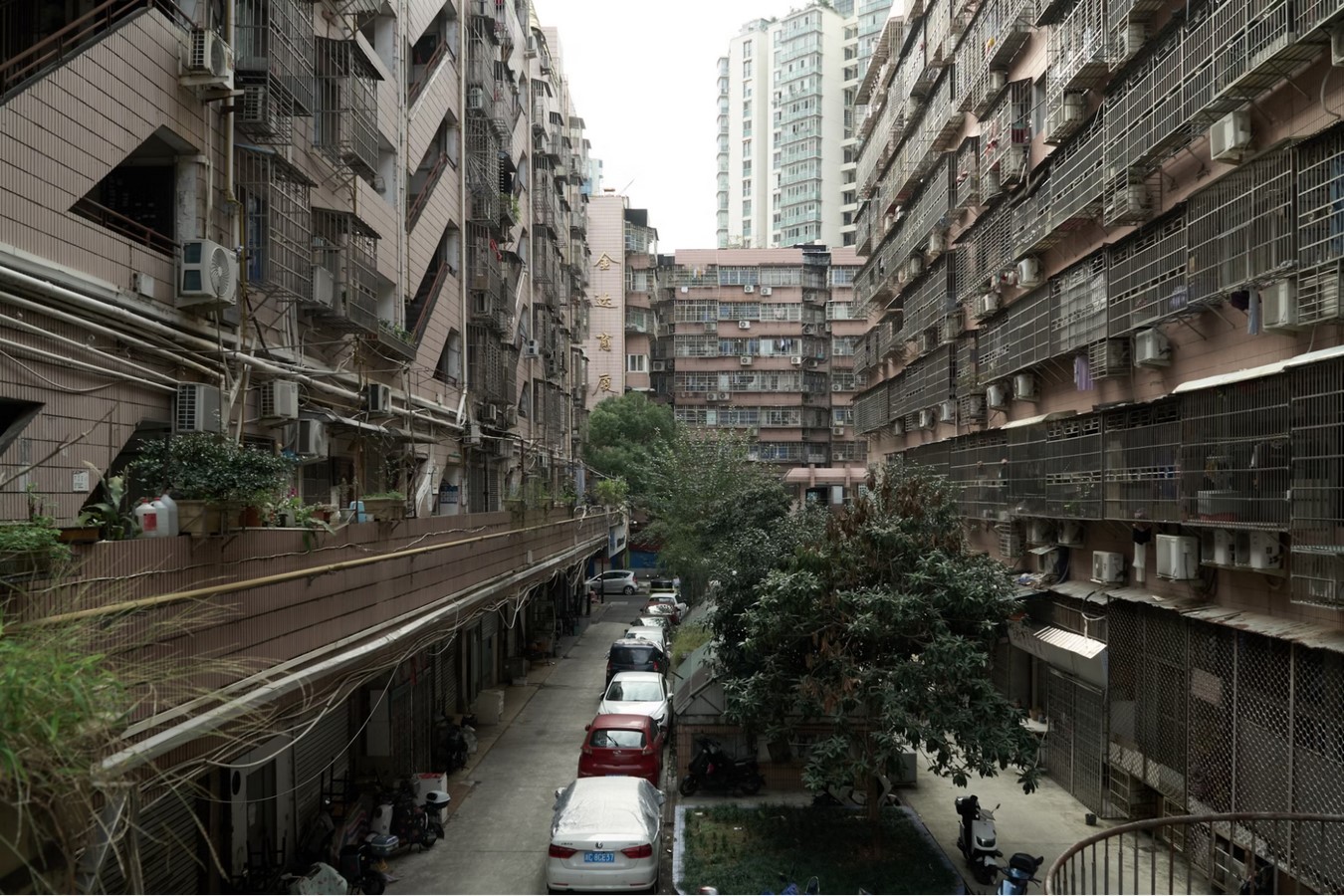 These buildings are changing with the times, and it shows in their architecture. Traditional bank branches are closing everywhere, yet alternative financial services keep opening new locations. There’s a story in that shift.
Many lending establishments now occupy spaces that used to be something else entirely. That old bank building? Now it might house a credit union or community lending service. Historic storefronts get renovated with modern interiors while keeping their original facades. It’s adaptive reuse at work.
Digital transformation means some services need less physical space than before. You’ll see smaller footprints, sometimes just kiosks or counters within larger retail spaces. But interestingly, certain services still require substantial physical presence because their customers need face-to-face interaction and immediate transactions.
Gentrification impacts these buildings too. As neighborhoods change, some traditional lending spaces get pushed out by rising rents, while others upgrade their architecture to match their evolving surroundings. The buildings either adapt or disappear.
Contemporary design trends vary wildly. Some go minimalist and tech-forward with digital displays and sleek surfaces. Others maintain traditional architectural gravitas because their customers respond better to classic signals of stability and permanence.
The Social Geography of Financial Service Buildings
Where these buildings appear in a city isn’t random—it’s revealing. High concentrations of alternative financial services in certain neighborhoods tell you something about those communities’ needs and access to traditional banking.
Financial service buildings cluster strategically. You’ll often find several different types within a few blocks of each other, creating informal financial districts outside downtown cores. They position themselves near public transport stops, in areas with good pedestrian traffic, and where their target customers already shop and work.
Accessibility considerations go beyond physical location. Is there parking? Are the operating hours convenient for people working multiple jobs? Can you walk there safely? These factors influence architectural and location decisions.
These buildings become part of neighborhood identity, for better or worse. Some communities welcome them as essential services. Others see them as signs of economic distress. Urban planners increasingly recognize that financial inclusion requires physical spaces, and architecture that dignifies rather than stigmatizes these services matters for community wellbeing.
Conclusion
Next time you walk through your city, take a closer look at these buildings. They’re everywhere, designed to serve a fundamental human need—access to money when you need it most. Their architecture reflects centuries of evolution, from ancient money changers to modern financial service providers. Whether it’s a renovated Victorian building or a contemporary storefront, each space tells a story about trust, security, and community needs. These aren’t just buildings—they’re essential infrastructure that reveals how real people navigate financial life in our cities.
FAQs
What architectural features make financial service buildings secure?
These buildings typically incorporate reinforced structures, security glass, visible surveillance systems, and controlled access points. Many also have vault technology for storing valuables and assets. The security isn’t just functional—it’s designed to be visible enough that customers feel protected but not so intimidating that it discourages entry.
Why do some lending establishments look different from traditional banks?
Different services require different architectural approaches based on who they serve and what they offer. Traditional banks emphasize corporate stability through formal architecture. Alternative services might prioritize accessibility, speed, or privacy depending on their clientele. A service handling luxury assets will design for discretion and sophistication, while a check cashing service emphasizes quick visibility and convenience.
How has digital banking affected the architecture of financial services?
Digital banking has reduced the need for large bank branches, leading to closures of traditional buildings. However, alternative financial services that require physical transactions and personal interaction continue to thrive and expand. The architecture has adapted—smaller footprints, more efficient layouts, and integration of technology like automated kiosks while maintaining spaces for face-to-face service.
What role do these buildings play in urban planning?
These buildings are crucial for financial accessibility and community services. Urban planners increasingly recognize that communities need physical access to financial services, not just digital options. The presence and quality of these buildings indicate neighborhood economic health and financial inclusion levels. Regulations often govern where these services can locate, affecting urban development patterns and community composition.