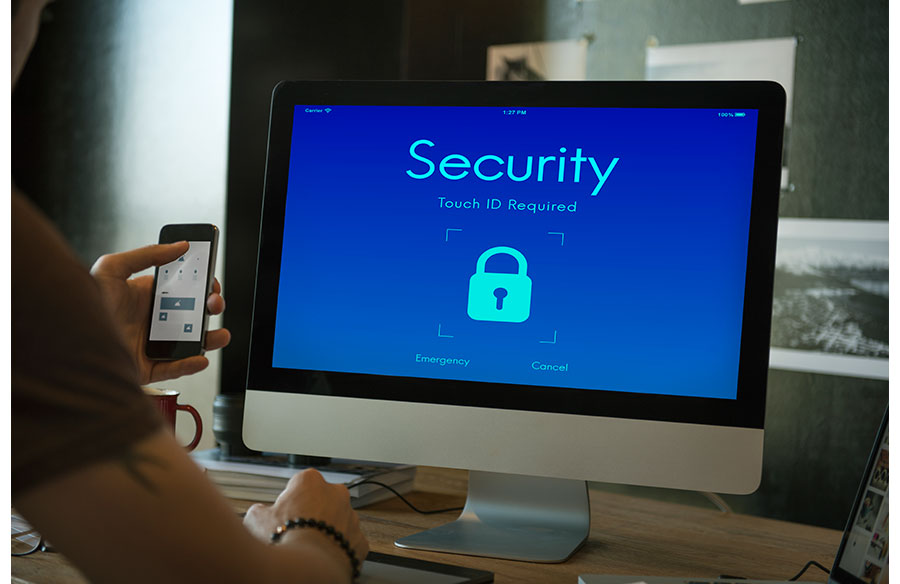
Starting a new company is an exciting journey filled with dreams, goals, and hard work. One crucial area that needs your full attention is security. Today, businesses face many threats, including cyberattacks and physical break-ins. As a new company, implementing strong security practices can protect your assets, keep your employees safe, and establish trust with your customers.
It may feel overwhelming, but focusing on security from the beginning lays a solid foundation for your business. Let’s examine how to secure your new company effectively.
Strong Cybersecurity Measures
In our connected world, cybersecurity is a must. Smaller businesses often believe they are less at risk, but this is a common misconception. Cybercriminals often target small companies, as they perceive them as easy targets due to their potential lack of robust security. Establishing a strong cybersecurity plan is vital. This includes using firewalls, antivirus software, and keeping your software updated.
Adding multi-factor authentication (MFA) provides an extra layer of protection. Even if someone obtains a password, they will still need a second form of verification to access your accounts. Regular security checks can help you find weak spots in your systems. By addressing these issues early, you can reduce your chances of being hacked.
Also, teaching your employees about cybersecurity is crucial. Regular training on recognizing phishing scams and safe online practices will help your team protect sensitive information. A knowledgeable team is your first line of defence against cyber threats.
Corporate Security Companies
If managing security feels overwhelming, hiring corporate security companies can be a good investment. These companies specialize in a wide range of security services such as risk assessments, ongoing monitoring, and support. They possess the expertise to develop security solutions tailored to your specific business needs.
Corporate security professionals have experience in identifying potential weaknesses and developing effective strategies to mitigate risks. Their insights are particularly valuable for new businesses that may lack in-house security expertise. By relying on these experts, you can focus on running your business while ensuring that security is managed effectively.
Partnering with a corporate security service enables you to leverage their resources, including advanced technologies and specialized training programs tailored for your team. Their ongoing support ensures that as your company grows, your security systems keep pace with those changes.
Physical Security Systems
While digital security is important, you should also focus on physical security. Keeping your physical space safe protects both assets and employees. Start with secure access points, like key card systems or fingerprint access, to control who can enter.
Install surveillance cameras to deter thieves and gather crucial evidence in the event of a crime. Alarm systems are also essential; they alert you and the authorities about unauthorized access and help your staff feel secure.
Regularly review and update your security plans. As your company grows, your security needs will change. Checking these systems ensures that your physical security keeps up with your business.
Employee Training and Awareness
Your employees are your greatest asset, but they can also be a risk if they are not properly trained on security protocols. It’s essential to foster a culture of security awareness within your organization. A solid training program that covers both physical and digital security is essential.
Training should help employees recognize suspicious emails or messages, understand the importance of strong passwords, and know how to report potential security threats. When employees are knowledgeable, they become a proactive part of your security strategy.
Regular refresher courses are important to keep security on everyone’s mind. Including security best practices in the onboarding process for new hires establishes a clear understanding of their role in maintaining a safe workplace from the start.
Data Protection and Compliance
As your company expands, so does the amount of sensitive data you handle. It is essential to implement strong data protection practices, which may also be legally required depending on your industry. Begin by identifying and classifying your data according to its sensitivity level.
Encryption is a key tool for protecting your data. It makes your information unreadable to anyone without the correct decryption key, even if they gain unauthorized access. Regularly backing up your data is another important step. Backups ensure that your business can continue operating if you lose data due to a cyberattack or natural disaster.
Make sure you understand relevant regulations. Following guidelines like GDPR or HIPAA helps protect your company from legal issues and builds trust with customers concerned about data handling.
Ongoing Risk Assessment
Security is an ongoing process; it requires regular evaluation and updates. Conducting regular risk assessments helps you identify new vulnerabilities and determine the effectiveness of your current measures. Set a schedule to review both physical and digital security assessments frequently.
By staying proactive, you can identify potential threats before they become serious problems. Involving employees in this process creates a stronger security culture. Their insights may help spot weaknesses in your current practices that need attention.
Security is crucial for any new business, and getting it right from the start can lead to long-term success. From solid cybersecurity to collaborating with corporate security companies and prioritizing data protection, each step helps create a safer environment for your business to thrive. Remember, a secure foundation provides peace of mind, enabling you to focus on growing your business and achieving your goals.