
Air compressors are essential tools used in various industries, including manufacturing and construction. They power essential equipment, help operations run smoothly, and increase productivity. However, air compressors require regular maintenance to operate efficiently and reliably. If you don’t maintain them, you may face costly repairs and downtime, which can affect your business. Knowing how to care for your air compressor properly is crucial for extending its lifespan and maximizing its Performance.
Here are some tips to keep your air compressor running smoothly.
Daily Checks
Performing daily checks on your air compressor can help prevent small problems from escalating into major issues. First, check the oil level to ensure it is at the correct level. Low oil can cause overheating and damage. Next, look at the air filter. A clean filter allows the air to flow well and improves Performance. If the filter is dirty or clogged, replace it right away.
Also, check the pressure settings. Incorrect pressure can harm the efficiency of your tools and the compressor. A quick glance at the gauges can provide important information about how the system is functioning. Regular daily checks will keep your air compressor in good shape, ready for any job.
Regular Servicing
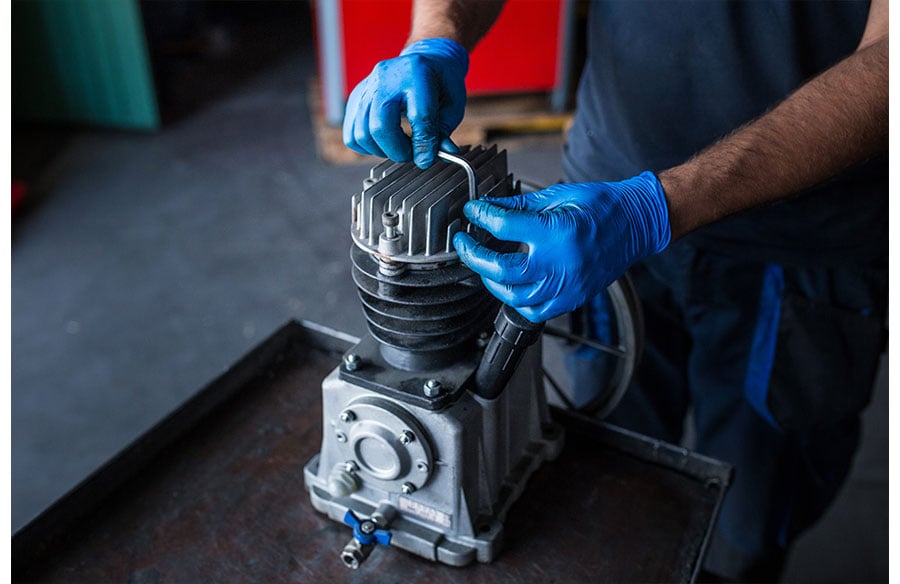
Plan regular servicing to maintain your air compressor. Depending on how often you use it, consider servicing it every month or every few months. During servicing, professionals will inspect and tighten any loose electrical parts and bolts. They will also change the oil and replace the oil filter to ensure smooth operation.
Regular servicing helps identify potential problems early, allowing you to address them before they become serious. It is an investment in your compressor’s life and can save you money on repairs. Keeping up with maintenance improves Performance, boosts efficiency, and can lower energy use over time.
Screw Compressors
A screw compressor is commonly used in industries because they run efficiently and continuously. Instead of using pistons like traditional compressors, screw compressors use two interlocking screws to compress air. This design creates smooth airflow and maintains a steady pressure, reducing wear on the machine and making it quieter.
One major advantage of screw compressors is that they can operate for long periods without overheating. They are ideal for situations that require a reliable supply of compressed air, such as in manufacturing or large-scale construction sites. However, regular maintenance is essential. You should check the oil levels and filters, as well as monitor the coolant levels, to keep the compressor running smoothly.
Cleanliness Matters
Keeping your air compressor clean is important for its efficiency. Dust, dirt, and debris can accumulate around the compressor, affecting its Performance. Make it a habit to clean your compressor and the surrounding area regularly, ensuring that nothing blocks airflow or access to key parts.
Focus especially on the cooling fins and intake screens. Blocked cooling fins can cause overheating, while clogged intake screens can restrict airflow. A quick wipe and dusting can help your equipment run at a proper temperature and work effectively.
Water Management
Keeping moisture under control is crucial for air compressors, particularly in humid environments. Water can accumulate inside the compressor, leading to corrosion and damage to the parts. To prevent this, regularly drain the air receiver to remove excess moisture. While many compressors have automatic drain valves, you should manually drain models that don’t have this feature.
Using a moisture separator can also help manage water in the system. Proper moisture control ensures that the air output is dry and clean, thereby improving efficiency and extending equipment life. A dry system means better Performance for air tools and machinery connected to the compressor.
Monitor Performance
Watch how your air compressor runs each day. Unusual sounds, vibrations, or pressure changes could signal problems. Take note of these changes early and investigate them to prevent breakdowns. Keeping a log of your compressor’s Performance can help you spot trends over time, such as pressure readings.
Regularly tracking Performance helps you understand the changes that occur after maintenance or repairs. This way, you can address issues early before they cause bigger problems.
Safety First
Always put safety first when maintaining or using your air compressor. Turn off the compressor and ensure it is fully depressurized before performing any maintenance. Use personal protective equipment, like safety goggles or gloves, to shield yourself from debris or injuries.
Ensure the compressor is located in a well-ventilated area to prevent overheating, and verify that all electrical connections are secure and in good condition. Following safety steps reduces risks and creates a safer working environment for everyone.
Use Quality Parts
When replacing parts of your air compressor, choose high-quality components. While inexpensive parts may save you money initially, they can lead to more significant problems later. Quality parts meet manufacturer specifications, ensuring peak performance. They often come with warranties for added peace of mind.
By selecting quality over cheaper options, you can expect better Performance and longer life for your air compressor. Investing in the right parts is essential for reliable operation and efficiency.