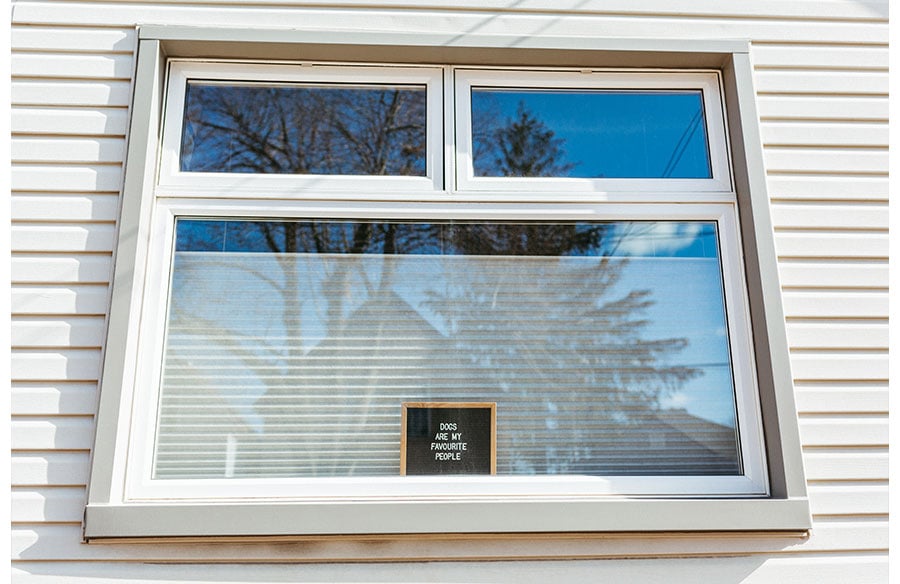
The Irish construction industry has witnessed a significant transformation in window and door technology over the past two decades, driven largely by companies committed to bringing European innovation to local markets. Among these pioneers, Expert Windows Dublin has emerged as a leading force, introducing advanced glazing systems and installation techniques that have redefined energy efficiency standards across Ireland’s residential sector.
Founded with a vision to bridge the gap between European manufacturing excellence and Irish housing needs, Expert Windows has spent over 15 years establishing new benchmarks for quality, performance, and sustainability in the window and door market. Their approach combines cutting-edge technology with local expertise, addressing the unique climatic challenges that Irish homes face while meeting increasingly stringent energy efficiency requirements.
The European Advantage in Irish Climate
Ireland’s temperate oceanic climate presents specific challenges for window performance. High humidity levels, frequent rainfall, and variable temperatures demand glazing solutions that can maintain thermal efficiency while resisting moisture penetration and providing long-term durability. European window technology, developed in similarly challenging climates across Scandinavia and Central Europe, offers proven solutions that Irish manufacturers have adapted and refined.
The integration of multi-chamber uPVC profiles, advanced glazing units, and sophisticated hardware systems represents a significant leap from traditional single-glazed windows that dominated Irish housing until the early 2000s. These European innovations have enabled homeowners to achieve substantial reductions in energy consumption while improving indoor comfort levels.
Advanced Glazing Technologies
Modern European window systems incorporate several technological advances that have revolutionized thermal performance. Triple glazing, once considered a premium option, has become increasingly standard as Irish building regulations evolve toward stricter energy efficiency requirements. These systems utilize low-emissivity coatings, argon or krypton gas fills, and thermally broken frames to minimize heat transfer.
The introduction of warm-edge spacer technology represents another European innovation that has gained traction in the Irish market. Unlike traditional aluminum spacers, these advanced systems reduce thermal bridging at the glazing unit perimeter, eliminating condensation issues that plagued earlier double-glazed installations.
Smart glass technology, incorporating electrochromic and thermochromic properties, represents the latest frontier in European window innovation. While still emerging in the Irish market, these systems offer dynamic solar control and privacy features that align with contemporary architectural trends toward larger glazed areas.
Manufacturing Excellence and Quality Standards
European window manufacturing adheres to rigorous quality standards that exceed many international benchmarks. The CE marking system ensures consistent performance across different climatic zones, while additional certifications such as Passive House Institute standards push thermal efficiency to exceptional levels.
The precision manufacturing processes employed in European facilities enable consistent tolerances and superior weather sealing. Computer-controlled welding systems, automated glazing unit assembly, and quality testing protocols ensure that each window meets specified performance criteria before installation.
Material selection reflects decades of research into polymer chemistry, aluminum alloy composition, and timber treatment processes. These advances have resulted in window systems that maintain their performance characteristics over extended service lives, often exceeding 30 years with minimal maintenance requirements.
Installation Expertise and Local Adaptation
The successful implementation of European window technology requires specialized installation expertise that goes beyond traditional glazing practices. Proper installation techniques are critical to achieving the thermal performance and weather resistance that these advanced systems are designed to provide.
Professional installation teams must understand the importance of continuous air barriers, thermal bridge mitigation, and moisture management. These considerations are particularly crucial in Irish construction, where retrofit applications often involve integrating new window technology with existing building fabric of varying ages and construction methods.
The adaptation of European installation standards to Irish building practices has required careful consideration of local building regulations, traditional construction methods, and heritage preservation requirements. This localization process ensures that advanced window technology can be successfully integrated into Ireland’s diverse housing stock.
Energy Performance and Building Regulations
Ireland’s building energy regulations have evolved significantly to align with European Union energy efficiency directives. The Building Energy Rating (BER) system has created market demand for high-performance window systems that contribute to improved overall building performance.
The introduction of Part L of the Building Regulations established minimum thermal performance requirements that effectively mandated the adoption of advanced glazing systems for new construction and major renovations. These regulations have driven market transformation toward European-standard window technology.
SEAI grant schemes have further accelerated the adoption of high-performance windows by making upgrades more accessible to homeowners. The emphasis on comprehensive energy retrofits has created opportunities to integrate advanced window technology with other building fabric improvements.
Sustainable Materials and Circular Economy
European window manufacturers have pioneered sustainable material use and end-of-life recycling programs that align with circular economy principles. uPVC recycling systems can process window profiles multiple times without significant performance degradation, while aluminum components offer virtually unlimited recyclability.
Timber window systems utilize sustainably sourced materials with FSC certification, ensuring responsible forest management practices. Advanced timber treatment processes extend service life while minimizing environmental impact through reduced chemical usage.
The development of bio-based polymer systems represents an emerging trend in European window technology, with manufacturers exploring renewable feedstocks for frame materials. These innovations promise further reductions in embodied carbon while maintaining performance characteristics.
Market Impact and Industry Transformation
The introduction of European window technology has fundamentally altered the Irish glazing market structure. Traditional local manufacturers have either adapted their processes to meet European standards or partnered with European suppliers to remain competitive.
Consumer expectations have risen significantly, with homeowners now demanding thermal performance data, energy efficiency ratings, and long-term warranties that were uncommon in the Irish market twenty years ago. This shift has elevated the overall quality of window installations across the industry.
The economic impact extends beyond direct sales to include skilled employment in installation, maintenance, and technical support roles. Training programs developed in partnership with European manufacturers have enhanced local expertise in advanced glazing technologies.
Future Developments and Innovation Trends
The trajectory of European window technology points toward further integration of smart building systems, enhanced automation, and improved environmental performance. Integrated sensors for air quality monitoring, automated ventilation control, and security systems represent emerging trends in premium window products.
Advances in glazing technology continue to push thermal performance boundaries, with vacuum glazing systems and aerogel-filled units offering exceptional insulation in minimal thickness profiles. These developments particularly benefit retrofit applications where frame depth limitations constrain traditional glazing options.
The integration of photovoltaic elements into window systems offers potential for energy generation while maintaining transparency and aesthetic appeal. While still in development, these technologies could transform windows from energy consumers to energy producers in future building designs.
Conclusion
The introduction of European window technology to the Irish market represents a successful example of technology transfer that has delivered tangible benefits to homeowners, the construction industry, and environmental objectives. Companies that have committed to bringing these innovations to Ireland have played a crucial role in elevating industry standards and enabling the country’s transition toward more sustainable building practices.
The continued evolution of European window technology, combined with Ireland’s commitment to ambitious climate targets, suggests that further innovations will continue to reshape the market. The foundation established by early adopters of European technology has created a platform for ongoing advancement in building performance and occupant comfort.
As Ireland moves toward carbon neutrality targets, the role of high-performance window systems in reducing building energy consumption becomes increasingly critical. The successful integration of European technology and local expertise provides a model for continued innovation in the Irish construction industry.