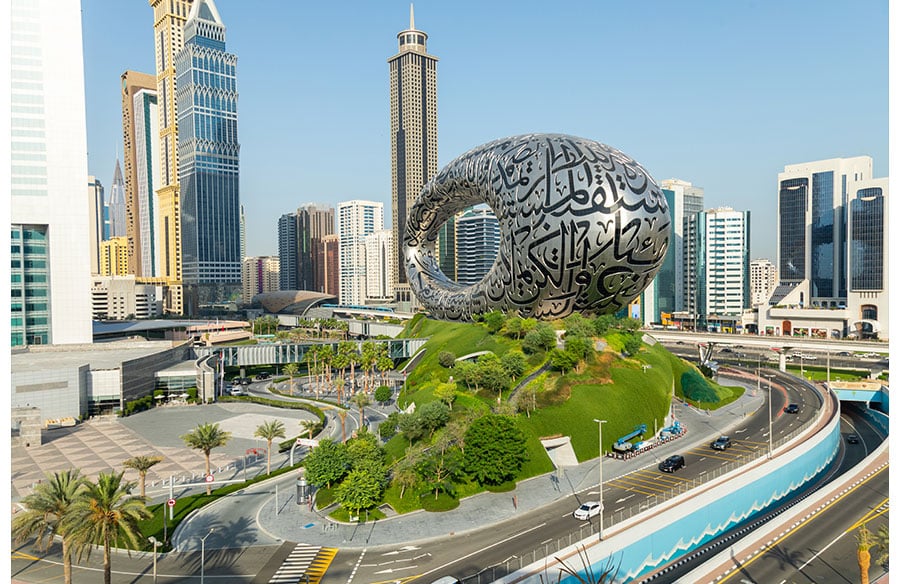
Dubai has become one of the most recognizable cities in the world, where cutting-edge design meets lavish living. From futuristic skyscrapers to sprawling waterfront communities, the city’s architectural identity is built on one central theme: luxury. Every skyline-defining tower, desert resort, and private villa has been designed to embody comfort, elegance, and exclusivity. But what exactly makes architecture in Dubai so focused on luxury? Here are X compelling reasons.
1. The City as a Global Symbol of Wealth
Dubai’s growth has always been intertwined with the vision of becoming a global hub for business, tourism, and lifestyle. The Emirate is no longer just a commercial center—it is a global symbol of prosperity. Developers, architects, and city planners strive to reflect this identity through buildings that showcase affluence and exclusivity.
Luxury in architecture isn’t just about expensive finishes—it’s about creating a perception. From the Burj Khalifa, the world’s tallest building, to man-made islands shaped like palm trees, Dubai’s structures function as statements of ambition and wealth, cementing its reputation as a playground for the elite.
2. Demand From High-Net-Worth Investors
Dubai’s real estate sector is fueled by international demand. Wealthy investors from Europe, Asia, and the Middle East purchase premium properties not only as residences but also as assets. Developers understand that their clientele is looking for more than a home—they want an experience that matches their lifestyle.
This explains why properties for sale in Dubai often come with high-end amenities such as private pools, concierge services, spa facilities, and panoramic skyline or ocean views. The demand for exclusivity has shaped architectural decisions, pushing developers to prioritize grandeur over simplicity.
3. Integration of Hospitality and Lifestyle
Luxury in Dubai’s architecture is not limited to residential towers. Hotels, resorts, and mixed-use developments are designed to blur the lines between living and vacationing. Many properties incorporate elements of hospitality directly into their architecture, with lobbies resembling five-star hotels, wellness spas within the building, and rooftop lounges that rival some of the world’s best resorts.
This integration ensures that whether someone is visiting for business or settling in long term, the experience remains indulgent. It’s a deliberate strategy to make luxury synonymous with daily life.
4. Innovation as a Competitive Edge
Competition among developers in Dubai is fierce. To attract buyers and visitors, architecture must constantly push the boundaries of design and innovation. This has led to structures that stand out not only for their height or scale but for their uniqueness.
For example, projects feature:
- Rotating towers with moving floors.
- Buildings that incorporate sustainability while maintaining opulence.
- Developments with indoor rainforests, aquariums, or sky gardens.
Innovation in architecture here is not merely functional—it’s another layer of luxury. People don’t just want a residence; they want to live in a landmark.
5. Landscaping as an Extension of Luxury
In a desert environment, creating lush greenery is itself a luxury. Developers collaborate with landscaping companies in Dubai to design outdoor spaces that feel like private oases. Palm-lined boulevards, infinity pools overlooking the sea, and garden courtyards filled with exotic plants elevate a property beyond its walls.
These landscapes are more than decoration—they provide privacy, relaxation, and a sense of exclusivity. In many ways, outdoor spaces have become just as important as interiors in signaling architectural luxury.
6. Cultural Influence and Identity
Dubai’s architecture draws inspiration from both modernity and tradition. While glass towers dominate the skyline, many luxury projects incorporate elements of Arabic design—ornate geometric patterns, mashrabiya screens, and courtyards. This fusion respects cultural heritage while appealing to global tastes.
Luxury here is not just about Western concepts of grandeur; it’s about creating spaces that feel both global and distinctly Emirati. This balance makes the architecture appealing to a wider audience while reinforcing Dubai’s identity as a crossroads of culture.
7. Sustainability as a Premium Feature
Sustainability has become a cornerstone of luxury worldwide, and Dubai is no exception. Developers understand that their high-end clientele values not only indulgence but also environmental responsibility. This has led to architectural features like:
- Solar panels and energy-efficient systems.
- Water recycling technologies.
- Smart home automation for efficient living.
Incorporating sustainability not only reduces environmental impact but also positions properties as modern, forward-thinking, and desirable to global investors. Luxury in Dubai is increasingly tied to the promise of sustainable living.
8. Tourism and International Prestige
Dubai welcomes millions of tourists annually, many of whom come to experience its luxurious offerings. To maintain its status as a must-visit destination, the city invests heavily in architectural projects that dazzle. Luxury resorts, themed entertainment complexes, and record-breaking landmarks are designed with global visibility in mind.
Tourism drives architectural ambition, pushing developers to constantly reinvent luxury in a way that grabs international attention. When a traveler sees Dubai as the ultimate destination for extravagance, the architecture has achieved its purpose.
9. Lifestyle Beyond the Home
Luxury in Dubai’s architecture doesn’t end at the doorstep of a villa or apartment. Communities are designed to offer a complete lifestyle package. Master-planned developments often include:
- Designer shopping districts.
- Michelin-star restaurants.
- Wellness centers and private schools.
- Exclusive access to golf courses or marinas.
Architecture here is optimized to ensure that residents and visitors live, work, and play in spaces designed around indulgence. The emphasis is not on building structures but on curating lifestyles.
10. Government Vision and Regulations
Finally, the government plays a critical role in shaping Dubai’s architectural direction. Policies encourage large-scale luxury projects that align with the city’s branding as a global hub. Regulations on design, sustainability, and urban planning ensure that developments meet international standards.
This top-down approach has created an environment where luxury is not optional but expected. Developers are incentivized to design ambitious, high-quality projects, knowing that the government’s vision supports such investments.
Conclusion
Dubai’s architecture is more than just buildings—it’s a global brand. Optimized around luxury, it represents the city’s ambition, cultural identity, and position as a hub for business and tourism. From sustainable skyscrapers and lush landscaping to integrated hospitality and lifestyle-focused communities, every design choice contributes to an overarching theme of indulgence and exclusivity.
Luxury in Dubai is not accidental. It is deliberate, strategic, and deeply embedded in the city’s architectural DNA—ensuring that whether you’re visiting, investing, or living here, you experience a level of sophistication that few other cities in the world can match.
About the author:
Sofiko Saltkhutsishvili is a content writer and a senior outreach specialist at SEO Sherpa – Global Best Large SEO Agency Winner, focusing on SEO, PPC, Digital PR, and Search Everywhere Optimization. She enjoys conducting in-depth research on topics she writes about and shares her authentic experiences with readers. On the side, Sofiko is a Creator and Talent Agent, connecting brands with the right creators and candidates. Originally from beautiful Georgia, she currently resides in its capital, Tbilisi.