Magnesite floors, once popular for their durability and fire-resistant properties, are notorious for hidden issues that often lead to costly damage. From moisture absorption to structural weakening, these floors can create serious problems if left unchecked. Understanding why magnesite floors fail—and why professional removal is essential—can help homeowners and property managers protect their buildings and avoid long-term risks.
Why Magnesite Was Originally Used
Magnesite floors were widely used in buildings from the 1920s to the 1970s because they seemed like a smart choice at the time. Builders liked magnesite because it was affordable, easy to install, and gave a smooth, polished finish.
It was also valued for its fire resistance, which made it a safer option in commercial and residential spaces. Many property owners chose it because it looked clean and lasted well in the short term. At the time, people did not realize the long-term risks that came with magnesite.
Today, we know that magnesite floors absorb moisture, weaken concrete, and cause structural problems. Still, its low cost and practical benefits explain why magnesite was originally used in so many buildings.
Common Signs of Magnesite Floor Failure
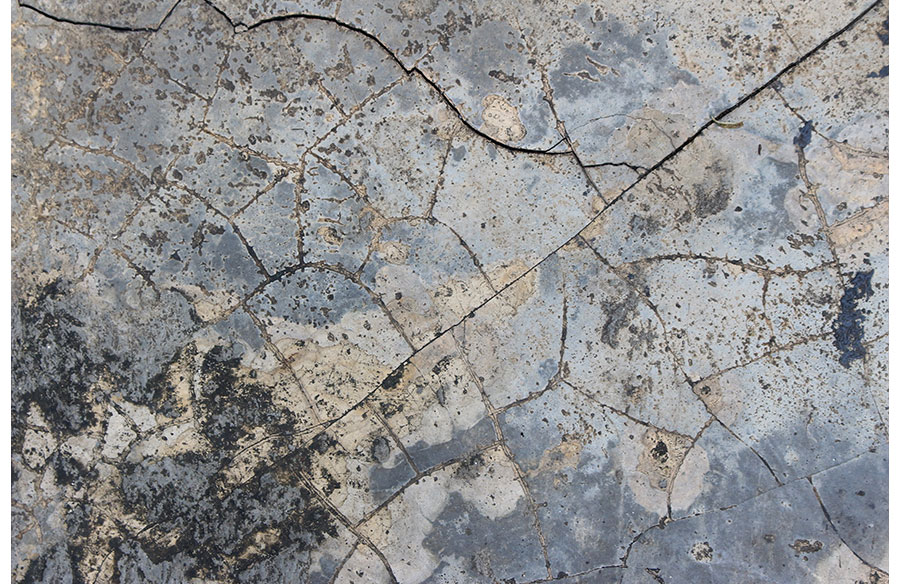
Common signs of magnesite floor failure are often easy to notice once you know what to look for. One of the first problems is cracks appearing on the surface of the floor. These cracks can spread and become worse over time.
Another warning sign is soft or spongy patches underfoot, showing that the floor has absorbed moisture. You may also see discoloration, such as dark stains or uneven coloring, which means water damage is present.
In some cases, the magnesite may start to crumble or break apart at the edges. A damp smell in the area is another clear signal of trouble. These common signs of magnesite floor failure should not be ignored, as they point to serious hidden risks.
Structural and Safety Risks of Damaged Magnesite
Damaged magnesite floors create serious structural and safety risks for any building. When magnesite absorbs moisture, it seeps down into the concrete slab below. This process weakens the concrete and can corrode the steel reinforcement inside.
Over time, the strength of the structure is reduced, leading to cracks, uneven floors, and potential collapse in severe cases. Safety risks also include tripping hazards from loose or crumbling flooring. In damp conditions, damaged magnesite may even release harmful dust or cause slippery surfaces.
These problems can put both residents and visitors at risk. Structural and safety risks of damaged magnesite should never be ignored, because small issues often turn into expensive repairs if not addressed through professional removal.
Why DIY Removal Can Be Problematic
Many property owners think they can save money by trying to remove magnesite floors themselves, but this often leads to bigger problems. The process is more complex than it looks because magnesite bonds tightly to the concrete underneath.
During magnesite flooring removal, dust and debris can spread through the property, creating health risks and making cleanup very difficult. Without the right tools, it is easy to damage the concrete slab or leave behind hidden layers that continue to cause moisture problems.
DIY methods also take much longer and usually do not solve the root issues. Mistakes made during removal can increase repair costs and reduce the safety of the building. This is why professional removal is always the safer choice.
Benefits of Professional Magnesite Removal
Hiring experts for magnesite removal offers clear advantages for property owners. Professionals have the right tools and training to safely strip away damaged materials without harming the concrete underneath.
During magnesite flooring removal, dust and waste are managed properly, reducing health risks and keeping the property clean. Experts can also identify hidden damage, such as moisture in the slab or corrosion in the steel reinforcement, that untrained eyes might miss. This ensures that repairs are completed thoroughly and future risks are minimized.
Professional removal also saves time and prevents costly mistakes that often happen with DIY attempts. By choosing skilled specialists, property owners protect the safety, value, and long-term stability of their building while ensuring the job is done correctly.
What to Expect During the Removal Process
When you hire professionals to remove magnesite floors, the process is planned and managed carefully. First, the team inspects the property to check the extent of the damage and decide on the safest approach.
Protective equipment and dust control systems are used to keep the environment safe during removal. The magnesite is then broken up and lifted away with specialized machinery that prevents damage to the concrete slab underneath.
Waste materials are collected and disposed of properly, following safety and environmental standards. After the floor is cleared, the concrete is inspected for moisture or structural issues that may need repair.
Finally, the area is cleaned and left ready for new flooring. This step-by-step process ensures safe, efficient, and lasting results.
Final Thoughts: Protecting Your Property With Professional Help
Magnesite floors may look harmless at first, but the long-term risks they bring to a building are serious. Once moisture gets into the floor, hidden damage begins to spread through the concrete and steel, creating structural problems that grow worse with time.
Small cracks, damp patches, or discoloration are only surface signs of deeper issues. If ignored, these problems can lead to expensive repairs, unsafe conditions, and even reduced property value.
Professional help is the most effective way to protect your investment. Experts know how to safely carry out removal, manage dust, and uncover hidden damage that must be addressed.
By choosing skilled removal services, property owners gain peace of mind, prevent further harm, and ensure their building remains safe and stable for years to come. Protecting your property with professional magnesite removal is not just a repair choice—it is a long-term safeguard for safety, health, and value.