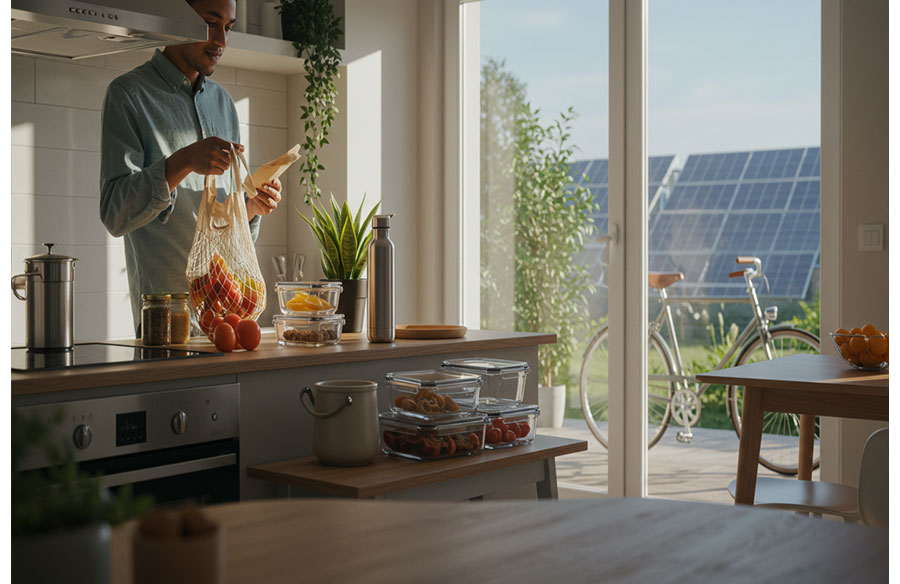
Sustainability, some call it a buzzword, but lately, it’s starting to sound more like a survival strategy. With 2024 clocking in as the hottest year on record (again), and emissions still climbing, the idea that “every little bit helps” isn’t just wishful thinking. It’s reality. But what does that look like in practice? The answers aren’t always obvious, and sometimes they’re downright inconvenient.
Still, here’s what’s on the table:
- Home upgrades that cut energy and water waste (though not everyone’s ready to rip out their old appliances)
- Food and shopping habits for less waste and lower emissions (easier said than done)
- Greener ways to get around and travel (if the bus ever shows up on time)
- Community actions and advocacy that multiply impact (assuming anyone’s listening)
And yes, the list is just a starting point; no one’s claiming it’s a magic fix.
What Does Sustainable Living Really Mean?
Ask ten experts, get ten definitions. The United Nations has a long-winded version: “meeting the needs of the present without compromising the ability of future generations to meet their own needs.” In plain terms?
Don’t use up more than the planet can handle. It’s not about living in a yurt or giving up every comfort. It’s about making choices, sometimes small, sometimes big, that add up over time. But is it ever enough? That’s still up for debate.
How Can You Make Your Home More Sustainable?
The average home leaks energy and water in ways most people never notice. Old habits, outdated tech, and a few “it’s always been this way” excuses keep the waste flowing. Swapping out incandescent bulbs for LEDs, installing a smart thermostat, and fixing leaky faucets are the low-hanging fruit.
And for those tired of lugging home cases of bottled water, a drinking water fountain for home can be a surprisingly effective upgrade. It’s not glamorous, but it cuts plastic waste and keeps everyone hydrated.
Insulation rarely gets the spotlight, but it’s a silent hero. Double-glazed windows and beefed-up attic insulation keep things comfortable and slash heating and cooling needs.
Water’s another story: low-flow showerheads, efficient toilets, and quick leak repairs can save thousands of gallons a year. Yet, even with all these fixes, some homes still guzzle resources. Why? Maybe it’s just the way things are built, or maybe habits are harder to change than anyone admits.
What Food and Shopping Habits Make the Biggest Difference?
Food choices, now there’s a rabbit hole. The World Economic Forum claims “what you eat matters as much as how you travel.” That’s a bold statement, but the numbers back it up. Eating more local produce, cutting back on meat and dairy, and composting food scraps all help shrink the footprint. Planning meals and using leftovers? It sounds simple, but food waste is still a massive problem.
Bathroom routines aren’t immune, either. Swapping to natural toilet paper made from bamboo or recycled fibers is a tiny change with an outsized impact. Traditional toilet paper production is a major driver of deforestation, who knew?
Still, not everyone’s ready to make the switch, and some brands are better than others. For those looking to extend eco-friendly choices beyond toilet paper, bamboo tissues offer another simple swap that reduces your household’s environmental footprint.
Shopping brings its own set of headaches. Is that new gadget really necessary? Buying second-hand, repairing what’s already in the house, and choosing durable goods over cheap throwaways all help. And if single-use plastics are still lurking in the kitchen, now’s the time to swap them for reusables. But will these habits stick? That’s the million-dollar question.
How Can You Cut Down on Waste?
Waste is everywhere, overflowing bins, cluttered closets, and recycling that never quite makes it to the right place. Recycling helps, but it’s not a silver bullet. The real win comes from reducing what comes home in the first place. Products with extra packaging? Best left on the shelf. Items that can be reused or refilled? Worth a second look.
Composting food scraps and yard waste keeps organic material out of landfills, where it would otherwise create methane, a greenhouse gas that’s even more potent than carbon dioxide. Donating clothes, electronics, and furniture instead of tossing them helps others and keeps usable items in circulation.
And if something breaks, repair might be easier than expected, thanks to a growing network of “repair cafes” and online tutorials. Still, not every fix is worth the effort, and sometimes things just end up in the trash anyway.
What Are the Best Ways to Get Around Sustainably?
Transportation, now there’s a tough nut to crack. In many countries, it’s the single biggest source of emissions. Walking, biking, and public transit are the greenest options for short trips, but not every city makes them easy.
Travel for fun? Trains beat planes for emissions, but convenience often wins out. Eco-friendly hotels and homestays are popping up, but they’re not always affordable. And carbon offsets? Some say they help, others call them a band-aid. The debate rolls on.
How Can You Make Your Garden or Yard More Sustainable?
Gardens are a testing ground for sustainable ideas. Native plants need less water and care, and they support local wildlife, at least, that’s the theory. For those who water their gardens and farms, a solar water pump for irrigation is a clever solution. It runs on clean energy and helps avoid wasting water, especially during dry spells. But installation isn’t always straightforward, and not every yard is a good fit.
Composting yard waste and using mulch keeps soil healthy and reduces the need for chemical fertilizers. Growing food at home? That’s one way to skip the emissions from shipping and packaging, but it’s not as easy as it looks. Some seasons are better than others, and pests have a way of ruining the best-laid plans.
What About Cleaning and Maintenance?
Cleaning products, so many promises, so many chemicals. Many are loaded with ingredients that pollute waterways and harm wildlife. Switching to green cleaning products, think vinegar, baking soda, and plant-based cleaners, keeps things fresh without the toxic side effects.
Outdoors, avoiding pesticides and herbicides is smart, but weeds and bugs don’t always cooperate. Sometimes, the “green” solution takes more elbow grease than expected.
How Can You Make a Difference in Your Community?
Individual actions matter, but collective action multiplies the effect. Supporting local green projects, joining a community garden, or volunteering for clean-up days can all help. Voting for leaders who take climate change seriously? That’s one of the most powerful levers available. But does it always lead to real change? The jury’s still out.
And don’t underestimate the power of sharing what works. When friends and neighbors see success, they’re more likely to try it themselves. As Dr. Katharine Hayhoe, chief scientist at The Nature Conservancy, puts it:
“The most important thing you can do to fight climate change is talk about it.” (The Nature Conservancy)
Comparing Popular Sustainable Actions
It’s tempting to look for a one-size-fits-all solution, but the numbers tell a more complicated story. Upfront costs, savings, and ease of adoption vary wildly. Here’s a snapshot, just don’t expect it to match every situation:
| Action | Upfront Cost | Ongoing Savings | Impact on Emissions | Ease of Adoption |
| LED Bulbs | Low | High | High | Easy |
| Smart Thermostat | Medium | High | High | Moderate |
| Composting | Low | Medium | Medium | Easy |
| Electric Vehicle | High | High | High | Moderate |
| Solar Water Pump for Irrigation | Medium | High | High | Moderate |
| Natural Toilet Paper | Low | Low | Medium | Easy |
| Public Transit/Biking | Low | High | High | Moderate |
But what’s “easy” for one person might be a hassle for another. And savings? They don’t always show up right away.
What’s Next for Sustainable Living?
Sustainable living isn’t about guilt trips or going off the grid. It’s about making better choices, one step at a time. Start with what feels doable, and build from there. The planet, and maybe even the wallet, could benefit.
- Swap out single-use items for reusables and compost what’s possible (if the local rules allow it).
- Choose local, plant-based foods and rethink shopping habits (though convenience sometimes wins).
- Support community projects and talk about what works (even if it feels like shouting into the void).
Every action counts, or so the experts say. But will enough people join in to tip the scales? That’s the real question.
FAQs
What are 10 ways to be more sustainable?
Lists like this pop up everywhere, but the “top 10” always seem to shift. Some of the usual suspects: using LED bulbs, composting food scraps, eating local, reducing meat, walking or biking, recycling, fixing leaks, using a drinking water fountain for home, buying second-hand, and switching to natural toilet paper. But does anyone actually do all ten? That’s another story.
What are the 3 S’s of sustainability?
The so-called “three pillars” are environmental (protecting nature), economic (using resources wisely), and social (fairness and community well-being). Some experts argue about the order, or whether there should be a fourth S. The debate continues.
How can I reduce plastic waste at home?
Ditching single-use plastics for reusable bags, bottles, and containers is a start. Buying in bulk, avoiding over-packaged goods, and recycling what’s possible can help. But plastic sneaks in everywhere; sometimes it feels like a losing battle.
Is composting really worth it?
Plenty of data says yes, composting keeps food waste out of landfills, cuts methane emissions, and creates rich soil for gardens. But it can be messy, and not every city makes it easy. Some give up, others swear by it.