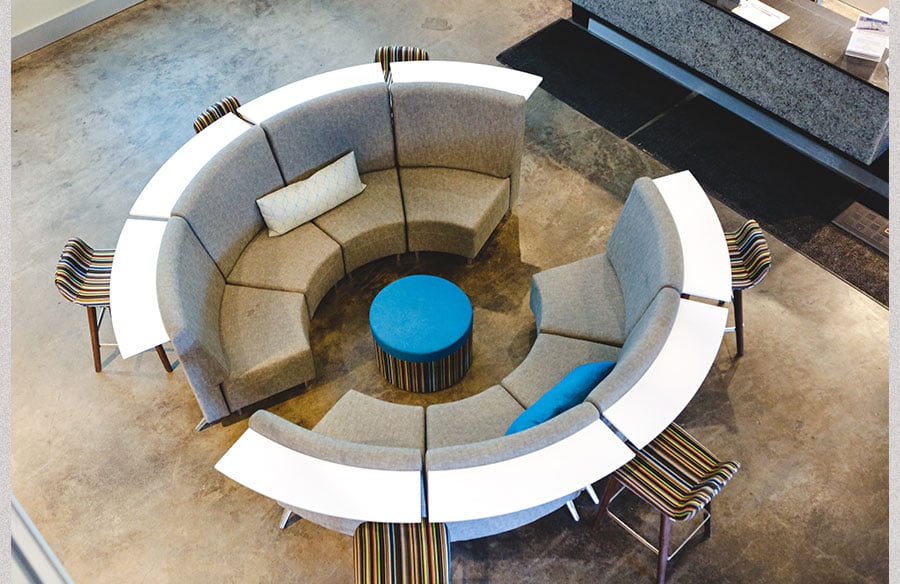
Commercial furniture is designed for environments such as offices, restaurants, schools, hotels, and public venues where wear and tear are a daily challenge. Unlike typical residential pieces, it is built for durability, easy maintenance, and high-frequency use. Materials such as reinforced metal, solid hardwood, and durable upholstery ensure long-lasting performance and resilience. Ergonomic design matters too.
Office chairs and conference seating often come with adjustable support and cushioned surfaces to keep users comfortable over extended periods. Choosing the right commercial furniture means balancing strength, comfort, and style to fit each unique setting.
The Roles of Commercial Furniture in Different Settings
Hospitality and Restaurants
A restaurant or hotel needs furniture that blends practicality and atmosphere. Chairs and tables must be sturdy and easy to clean while still creating a welcoming vibe. Stackable or foldable designs facilitate efficient arrangement and storage of furniture. Lounge chairs and ottomans can bring comfort and aesthetic appeal to waiting areas and hotel lobbies.
Workspaces and Offices
Commercial office furniture such as ergonomic chairs, sturdy desks, and conference tables can shape productivity. The layout, craftsmanship, and comfort of such furniture influence how people work together or find focus. Modular or mobile pieces offer adaptability, enabling easy reconfiguration to support varying team sizes, presentations, or collaborative setups.
Education, Healthcare, and Community Venues
Spaces like auditoriums, community halls, and classrooms demand furniture that is functional, mobile, and often multipurpose. Lightweight chairs and tables that can be stacked or stored away help transform a room from lecture mode to event mode quickly. In healthcare or aged-care settings, furniture needs to meet hygiene standards and be easy to clean. Sturdy, wipe-clean surfaces and thoughtful ergonomics help support users of all ages and abilities.
Event, Worship, and Government Venues
These settings benefit from robust setups able to handle crowds and frequent reconfiguration. Portable stages, trestle tables, and trolleys make organizing large-scale functions more efficient. Fold-away or mobile solutions keep spaces flexible without sacrificing functionality.
Key Considerations When Choosing Commercial Furniture
Durability and Lifespan
Commercial furniture should withstand constant use. Look for reinforced frames, heavy-duty fabrics or finishes, and long warranties. Investing in stronger pieces saves money down the line by reducing replacement needs.
Flexibility and Adaptability
In multipurpose or high-traffic areas, furniture that can be moved or reconfigured is invaluable. Options like flip-top or collapsible tables, stackable chairs, or modular seating help you quickly transform spaces for different uses.
Comfort and Ergonomics
Especially in office, meeting, or hospitality settings, user comfort matters. Ergonomic features, lumbar support, cushioned seats, and breathable materials keep people engaged and at ease. In healthcare or aged-care environments, ease of access and supportive design are especially critical.
Style and Brand Consistency
Furniture contributes to how a brand feels. Materials, finishes, and overall design should reflect the vision of the space, whether that’s a sleek minimalist office, a cozy café atmosphere, or a polished corporate environment. Stylish commercial furniture reinforces a coherent look.
Maintenance and Hygiene
Venues like restaurants, hospitals, or schools require furniture that’s easy to clean and sanitize. Materials should resist stains and support regular cleaning without damage. For instance, wipe-clean surfaces, removable upholstery, or antimicrobial finishes help maintain hygienic standards.
Making Smart Choices: Balancing Cost, Quality, and Function
Selecting commercial furniture isn’t just about the lowest price. Think in terms of total value; with durable, well-designed pieces, you’ll often save on replacements, cleaning, and downtime. Also consider how a piece can adapt to future needs.
Invest in flexible solutions that grow with your space. Planning ahead, mapping out traffic flow, anticipating how spaces might change, and choosing modular items can maximize utility and prevent waste.
Conclusion
Commercial furniture plays a crucial role in shaping how spaces look, feel, and function. Whether it’s boosting productivity in the workplace, creating ambiance in hospitality venues, or accommodating shifting uses in public facilities, the right furniture creates value and experience. Choosing pieces that balance durability, comfort, flexibility, and design helps ensure that spaces can adapt and thrive for years to come.