
Technology isn’t just changing how we work – it’s reshaping how we live. From smart homes to AI-powered personalization, even traditional industries like furniture are embracing innovation.
DreamSofa, a U.S.-based custom sofa brand, is at the forefront of this shift, merging design, technology, and sustainability to transform how people shop for and experience their sofas.
Key Takeaways:
- DreamSofa uses tech tools like 3D configurators and rapid local manufacturing to streamline the custom furniture process.
- Their direct-to-consumer model reduces costs and shortens delivery times compared to traditional retailers.
- Sustainability and service innovations build long-term trust and brand loyalty.
Digital Customization at Scale
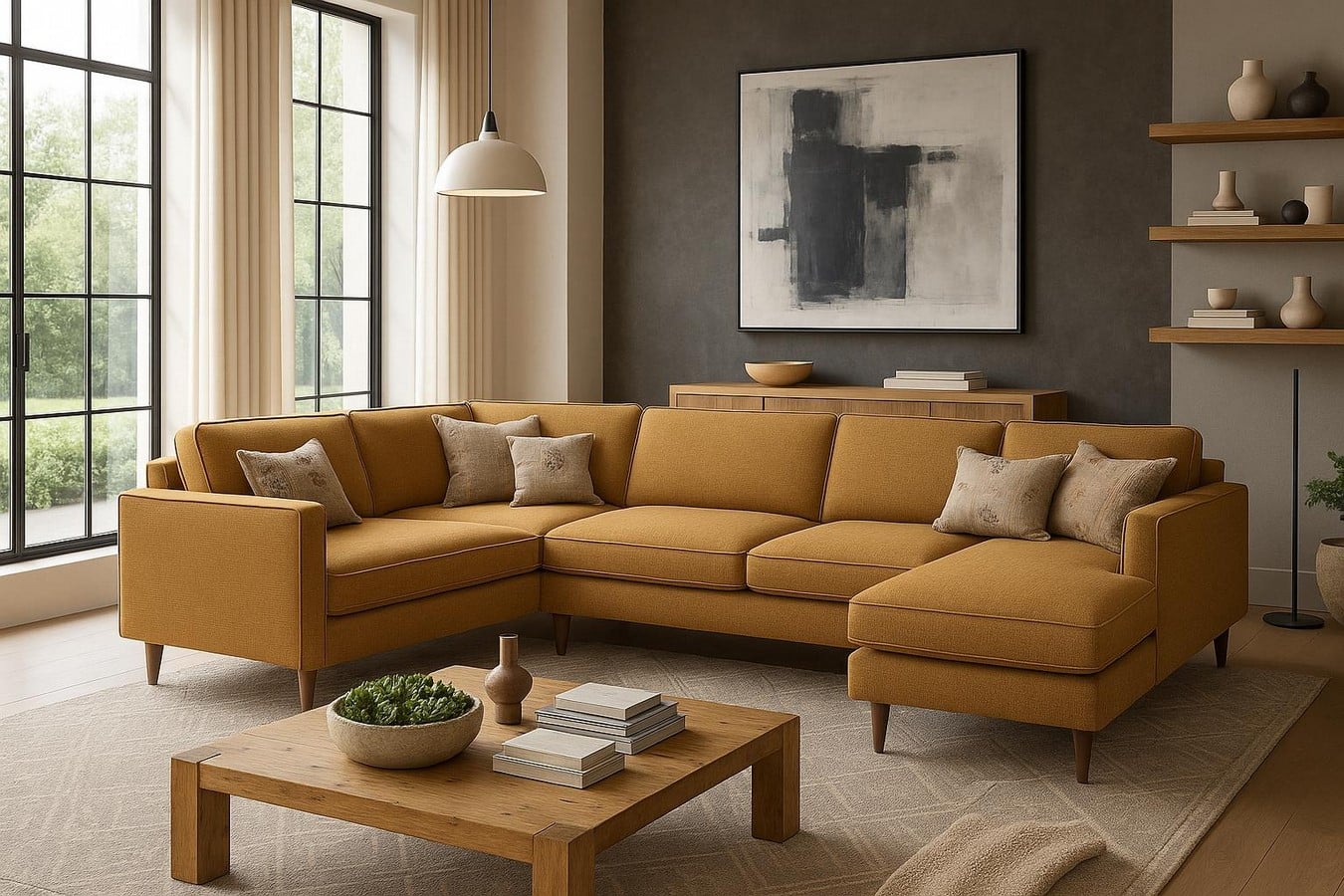
DreamSofa allows customers to design sofas down to the inch using interactive tools and real-time visualization.
Consumers can swap fabrics, adjust layouts, and test configurations virtually before making a purchase. This tech-first approach reduces uncertainty, improves satisfaction, and highlights how digital experiences can translate into real-world lifestyle products.
 Faster Delivery Through Tech-Powered Manufacturing
Traditional custom furniture often takes months to arrive.
By investing in advanced robotics and automation at their Los Angeles factory, DreamSofa can deliver most custom sectionals in 3–5 weeks. This speed, achieved through tech-enabled production pipelines, makes them a serious contender in an industry notorious for delays.
Service Innovation as a Differentiator
DreamSofa pairs its tech with a human-first service model.
Each buyer is connected to a Design Concierge & Lifetime Care Agent, combining digital convenience with personal support. From fabric swatch kits to warranty claims, this hybrid approach mirrors the “high-touch meets high-tech” customer service model increasingly seen across industries.
Sustainability Through Circular Design
Beyond customization and speed, DreamSofa integrates sustainability into its business model.
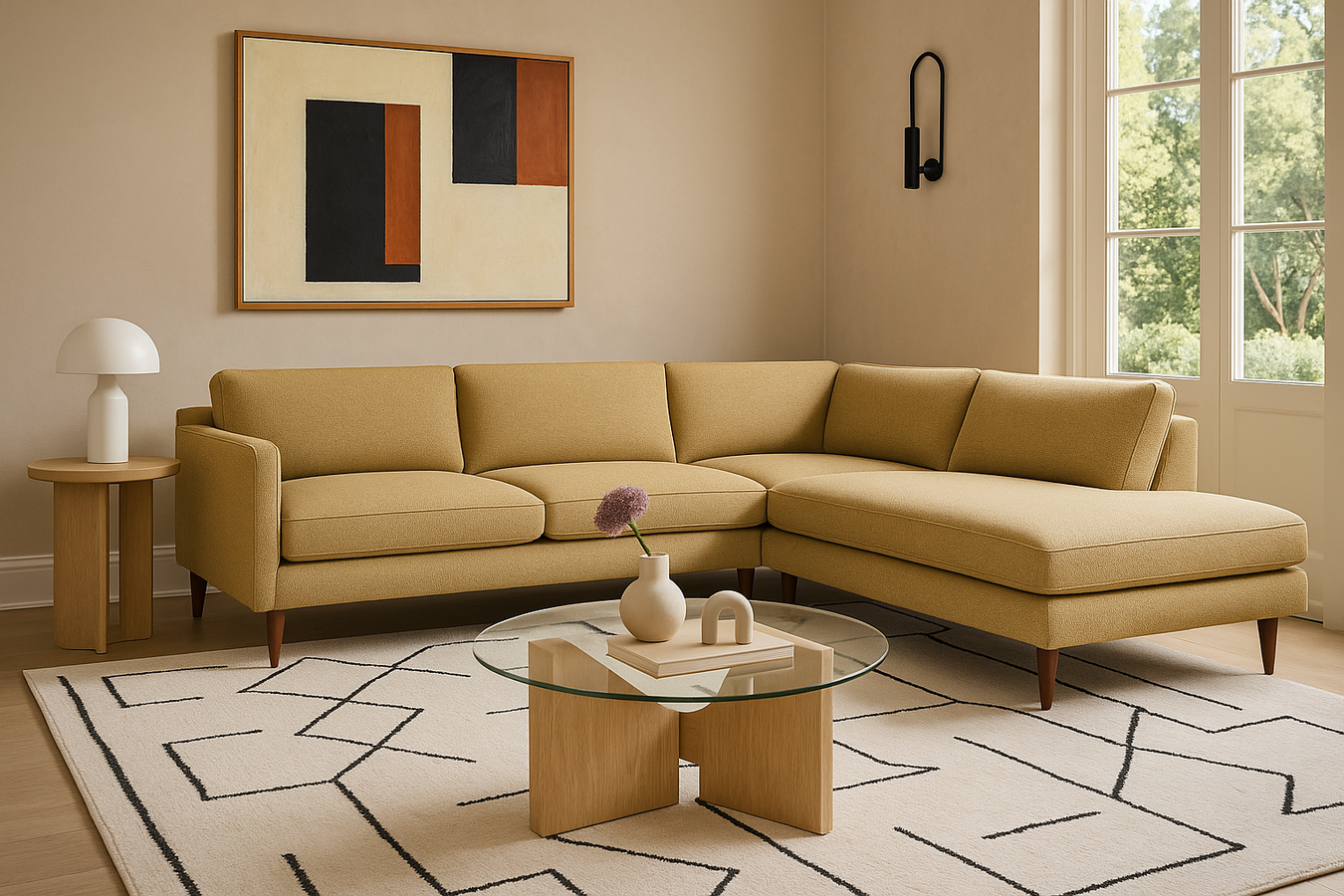
Their DesignXchange™ program allows customers to refresh cushions and covers instead of replacing entire sofas, aligning with circular economy principles. Eco-friendly materials and carbon-conscious logistics reinforce the brand’s forward-looking commitment to both people and the planet.
 Why DreamSofa Represents the Future of Furniture
In the same way that companies like Casper reshaped mattresses and Warby Parker redefined eyewear, DreamSofa is transforming the sofa market with innovation, transparency, and personalization.
For tech-savvy consumers, this means a faster, smarter, and more sustainable way to invest in a key piece of their home.
FAQs
How does DreamSofa use technology in its process?
They offer digital configurators, automation in manufacturing, and real-time order tracking for a seamless customer experience.
Why are DreamSofa’s delivery times faster than competitors?
Their tech-powered Los Angeles factory enables production in as little as 21–35 days, compared to the 8–12 week industry average.
What makes DreamSofa different from other sofa brands?
Customization down to the inch, concierge-level service, and sustainable upgrade programs set them apart.
How does DreamSofa support sustainability?
They use FSC-certified hardwood, CertiPUR-certified foams, and offer cushion/cover refresh programs to reduce waste.
Is DreamSofa a direct-to-consumer company?
Yes. Their DTC model cuts out middlemen, reducing costs while maintaining high quality.