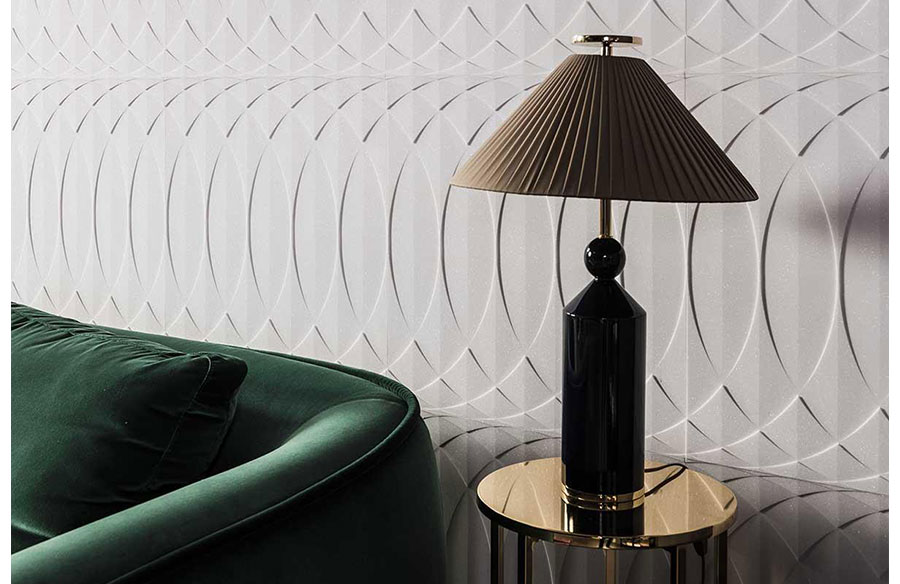
In an age where architecture increasingly serves as both a functional framework and an emotional experience, the tactile dimension of design is stepping into the spotlight. Beyond visual impact, the surfaces we touch, their temperature, texture, and depth, influence how we connect to a space. Among the most timeless and expressive materials, marble offers an unparalleled opportunity to create this sensory connection, especially through innovative applications such as marble wall cladding and three-dimensional stone design.
Why Touch is the Next Frontier in Design
Neuroscience and environmental psychology consistently reveal that tactile interaction shapes human emotion. Smooth marble surfaces can project elegance and calm, while intricately textured patterns stimulate curiosity and grounding. In hospitality, workplace, and residential design, these sensory cues foster comfort, focus, and a deeper sense of belonging.
From Flat to Sculptural: The Rise of Marble Cladding
Flat walls no longer define the boundaries of design possibility. Today, advanced fabrication allows for complex marble wall design that transforms surfaces into living, responsive elements. As daylight shifts, carved patterns in marble cladding create dynamic plays of light and shadow, adding depth and vitality to interiors. The result is not merely a backdrop, but an architectural narrative that changes throughout the day.
Patterns That Speak Through the Senses
Patterns in marble can reference the organic rhythms of nature, precise geometric compositions, or bold abstract expressions. Their tactile dimension encourages people to engage physically with the surface, strengthening the bond between user and environment. Each interaction becomes a subtle, personal dialogue between human touch and natural stone.
Innovation Meets Heritage
Thanks to companies like Lithos Design, marble design is being reimagined through cutting-edge manufacturing and meticulous craftsmanship. Their work pushes the boundaries of marble wall coverings, turning them into more than decorative finishes, they become active participants in the sensory and emotional life of a space.
Designing for the Tactile Future
As design thinking evolves, sensory engagement is becoming essential, not optional. By integrating texture, form, and light, architects and designers can create environments that resonate beyond the visual plane. In this vision of the future, marble wall cladding is not simply an aesthetic choice, but a medium for connection, an experience we can see, touch, and feel.