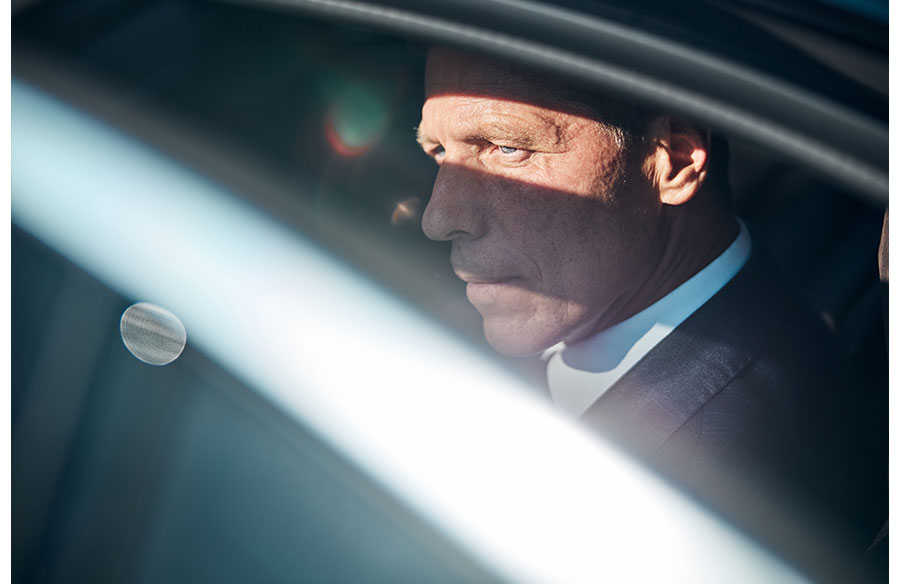
When you think about mafia movies, what comes to mind? Probably scenes of dark alleyways, dramatic shootouts, and tough guys in expensive suits making threats over dinner. Well, “The Mafia Boss,” a 2024 short film, throws all those expectations out the window and gives us something completely different—and honestly, much better.
What’s It All About?
The story sounds simple enough at first. Talia Rici, an undercover cop, gets assigned to take down mafia boss Luciano Romano. Standard police work, right? Except things get complicated real fast when she starts developing genuine feelings for the guy she’s supposed to arrest.
This isn’t your typical cops-and-robbers story where everything is black and white. Instead, it dives deep into that messy gray area where professional duty crashes head-first into personal emotion. The whole premise makes you wonder: what happens when your heart starts overruling your head, especially when your job is literally to bring down the person you’re falling for?
Characters That Actually Feel Real
Luciano Romano: Not Your Average Mob Boss
Daniel Salem’s portrayal of Romano completely breaks the mold of what we expect from a Mafia Boss. Forget the stereotypical image of a guy screaming orders from behind a massive desk like some cartoon villain. Salem creates a character who’s genuinely complex—he can be ruthless when business demands it, but there’s also this unexpected vulnerability that makes him surprisingly human.
What’s really interesting is how Romano operates. He’s not the old-school type who relies purely on intimidation and violence. This guy thinks strategically, understands that lasting power comes from smart decisions rather than just fear. It’s a much more realistic take on how modern organized crime actually works, and Salem pulls it off without making Romano seem like some misunderstood hero.
Talia: The Cop Who’s In Over Her Head
Oleksandra Pankova brings serious depth to Talia’s character. She’s clearly a capable police officer who knows how to handle herself in dangerous situations, but nothing in her training prepared her for the emotional minefield she’s walking into. Watching her struggle with her growing feelings while trying to maintain her cover creates this incredible tension that keeps you glued to the screen.
The beauty of Pankova’s performance is how she shows Talia’s internal conflict without making it overly dramatic. You can see the exact moment when the lines between her real identity and her cover story start to blur, and it’s both fascinating and heartbreaking to watch.
Why the Short Film Format Works So Well
Here’s where things get really smart. Making this a short film instead of a full-length movie was absolutely the right call. With limited time, every single moment has to count—there’s no room for unnecessary side plots or drawn-out action sequences that don’t serve the story.
This compressed timeframe actually mirrors the intensity of what’s happening between the characters. Both Talia and Romano are living on borrowed time, knowing that their situation can’t last. The urgency you feel watching the film reflects the urgency they feel in their relationship, making everything more immediate and emotionally charged.
Visual Storytelling That Gets It Right
The cinematography in “The Mafia Boss” deserves serious praise. Instead of falling into the usual dark, smoky visual clichés that dominate most crime films, the camera work finds beauty in unexpected places. The way they shoot Romano’s world feels fresh and modern, showing how organized crime has evolved beyond the stereotypical back-room dealings.
What really stands out is how the camera captures the relationship between Talia and Romano. The close-ups reveal so much through facial expressions and micro-reactions that you barely need dialogue to understand what’s happening. It’s like watching a careful dance where neither person is quite sure who’s leading, and the visual language perfectly captures that uncertainty.
The Psychology Behind the Characters
One of the most impressive things about this film is how it handles the psychology of its characters without turning them into caricatures. Romano isn’t presented as some romantic anti-hero we’re supposed to root for—he’s still a criminal whose actions have real consequences. But he’s also undeniably human, which makes his choices more disturbing rather than less.
This approach reflects something important about how real criminals operate. They’re not monsters from another planet; they’re people who’ve made specific choices and learned to justify them. Romano embodies this perfectly—he can be tender one moment and ruthlessly calculating the next, and both sides feel authentic.
The film also explores how being in this world affects everyone around these characters. Talia’s assignment puts her in a position where she has to compromise her values just to gather intelligence, showing how the corruption of organized crime extends beyond just the criminals themselves.
A Fresh Take on Familiar Territory
What makes “The Mafia Boss” special is how it takes elements we’ve seen before and finds new angles to explore them. The undercover cop storyline has been done countless times, but focusing on the emotional and psychological aspects rather than action and violence creates something that feels genuinely original.
The film succeeds because it trusts its audience to appreciate complexity and moral ambiguity. Instead of spelling everything out or providing easy answers, it lets viewers grapple with the uncomfortable realities of what happens when duty and desire conflict.
Technical Excellence That Serves the Story
The production values in “The Mafia Boss” feel perfectly calibrated for the story being told. The editing maintains momentum without rushing through important emotional beats, while the sound design emphasizes intimate moments over explosive action.
The music choices particularly stand out for their restraint. Rather than using bombastic orchestral scores that telegraph every emotion, the soundtrack stays subtle and personal, letting the performances and visuals do the heavy lifting. It’s a confident choice that shows real understanding of how different elements should work together to serve the narrative.
Why This Matters for Crime Drama
“The Mafia Boss” represents something important for the crime genre moving forward. In a landscape saturated with violent spectacle and formulaic plots, films like this prove that audiences are hungry for more sophisticated storytelling that focuses on character development and emotional authenticity.
The film demonstrates that you don’t need massive budgets, star-studded casts, or elaborate set pieces to create compelling drama. Sometimes the most powerful stories emerge from intimate character studies that explore universal themes through specific circumstances.
The Bottom Line
“The Mafia Boss” succeeds because it respects both its characters and its audience. Rather than relying on violence and action to maintain interest, it builds tension through genuine human conflicts and real emotional stakes. The result is something that feels more honest and impactful than many big-budget crime films that focus on spectacle over substance.
For anyone tired of predictable crime dramas or looking for something that offers more than surface-level entertainment, this film delivers. It’s a reminder that great storytelling doesn’t require extensive runtime or massive production values—sometimes the most effective approach is finding the human story within larger themes and executing it with skill and emotional honesty.
The brief time investment this film requires pays off with an experience that stays with you long after the credits roll. It’s proof that when filmmakers focus on what really matters—compelling characters, authentic conflicts, and genuine emotion—they can create something truly memorable, regardless of budget or duration.