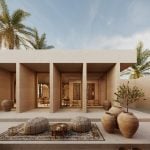
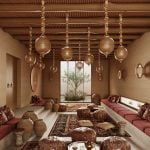
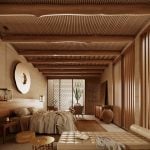
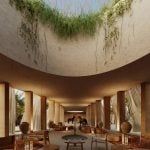
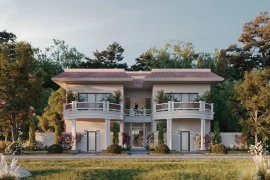
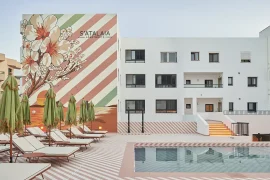
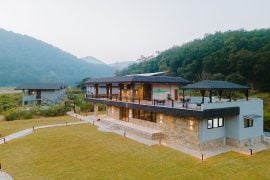
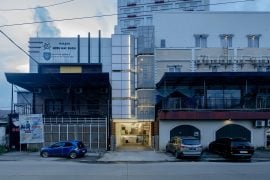
Liwa Farm Village rises from the sands of the Liwa Oasis as a testament to the enduring dialogue between people, land, and memory. Nestled at the edge of the Rub’ al Khali Desert, this project draws inspiration from the oasis’s deep cultural and ecological history, translating the wisdom of ancestral practices into a contemporary framework that nurtures both community and environment.
Project Name: Liwa Farm Village
Studio Name: Inca Hernández Atelier
Location: Bateen Liwa, Abu Dhabi, UAE.
Year: 2025.
Construction area: 7,000 sqm.
Land area: 30,000 sqm.
Team: Evelin García, Luis Enrique Vargas, Jesús Navarro, Alfonso Castelló
Images: Courtesy of Inca Hernandez Atelier
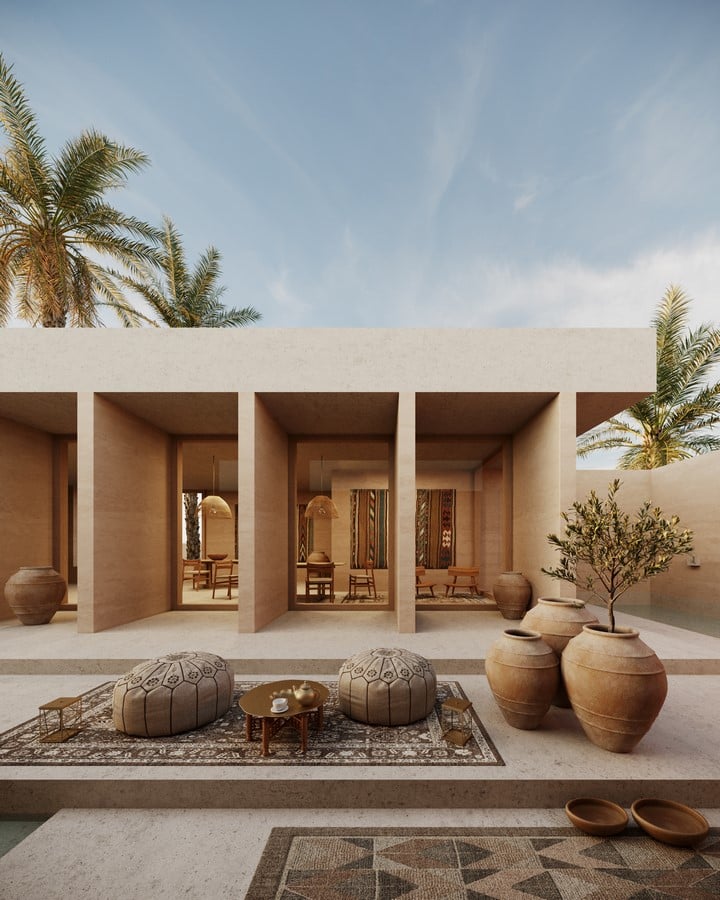
The village celebrates the rich heritage of “Al Gharbia”, honoring centuries of craftsmanship, agricultural knowledge, and desert resilience while shaping a living space for modern life.
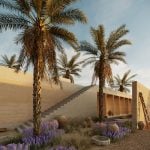
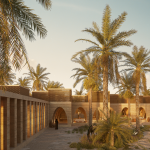
The design is rooted in vernacular strategies that have sustained desert communities for generations. Traditional windcatchers (ملقف) guide cooling breezes through courtyards, while aflaj (فلج) irrigation channels carry life-giving water across the plantation. Rammed-earth walls and palm-frond roofs echo the forms and textures of the oasis landscape, providing natural insulation and protecting the interiors from intense solar heat. Elevated platforms lift structures above sands effects, asserting a quiet presence in the terrain while respecting its natural rhythms. Every architectural element embodies both a technical solution and a vessel of cultural continuity, ensuring that tradition informs innovation at every scale.
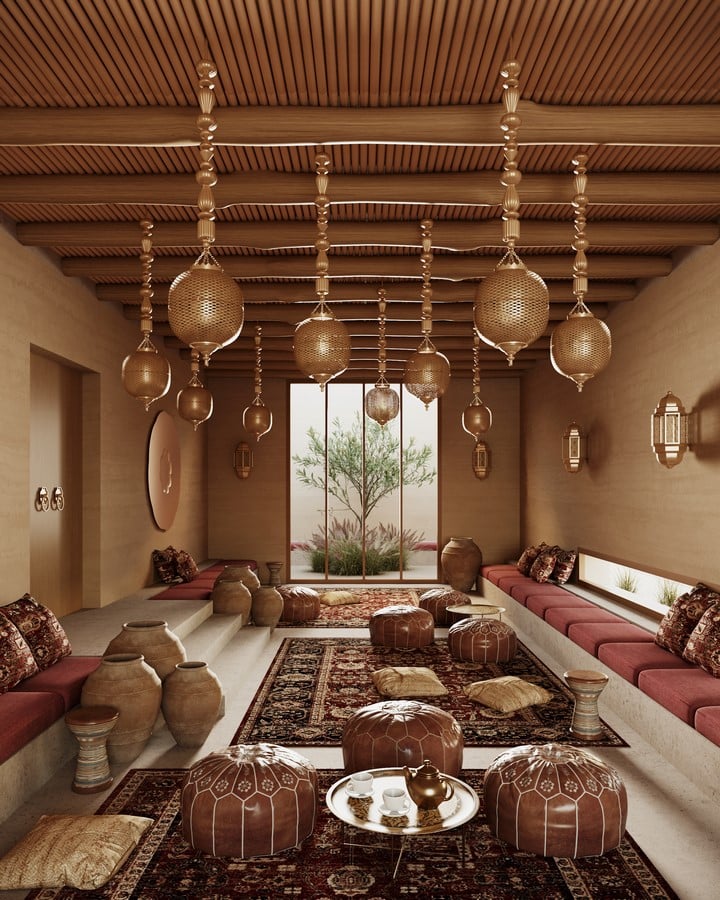
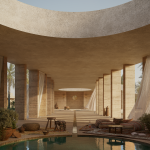
At the heart of the masterplan, agricultural and communal life converge. Productive date plantations interlace with animal care facilities, reflecting the symbiosis between land stewardship and cultural practice. Spaces for gathering, teaching, and reflection are woven into the landscape: a Majlis encourages dialogue and contemplation; a farm-to-table restaurant celebrates the region’s seasonal harvests; a spa, inspired by the traditional Sahn courtyard, fosters reconnection with the natural environment. Small vernacular bungalows provide moments of retreat, offering quiet observation of the desert and fostering a sense of belonging for residents and visitors alike. Together, these spaces form an ecosystem of life, work, and learning, reinforcing the intrinsic link between social cohesion, environmental awareness, and cultural identity.
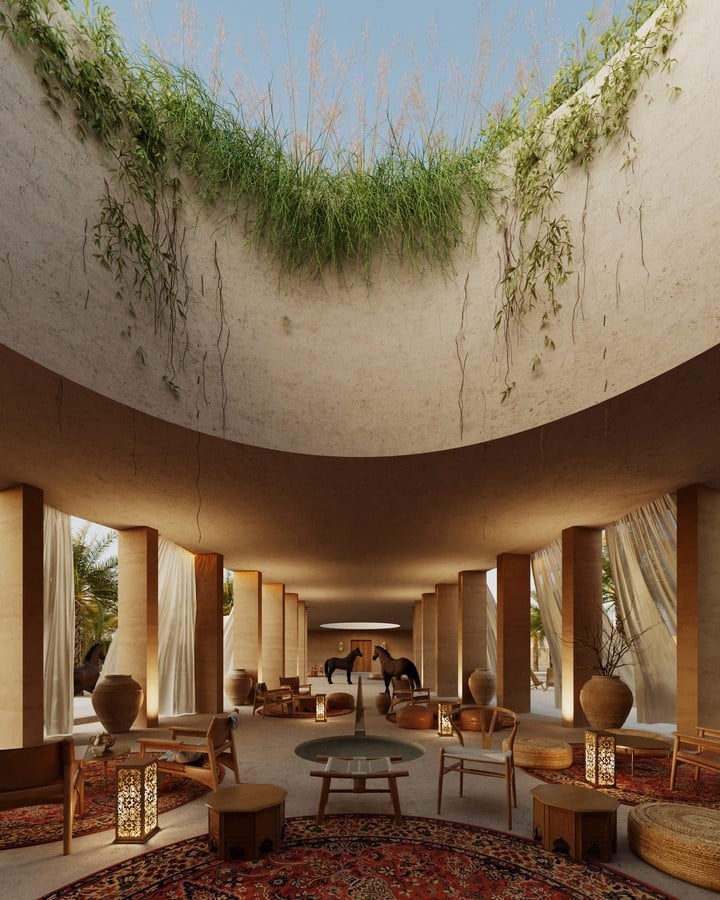
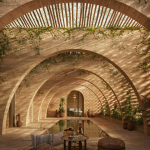
Materiality is central to the village’s identity. Locally sourced earth, carved-pigmented concrete, and handwoven palm elements establish a tactile connection to place. Clay latticework filters sunlight and encourages airflow, creating interiors that breathe with the climate while maintaining low environmental impact. Artisanal furniture and contemporary design converge to create spaces that feel both grounded and timeless, where heritage and modernity coexist in harmony. Water, drawn from subterranean oasis reserves, sustains aquaculture and greenhouse cultivation, highlighting a philosophy of regenerative design that honors local resources.
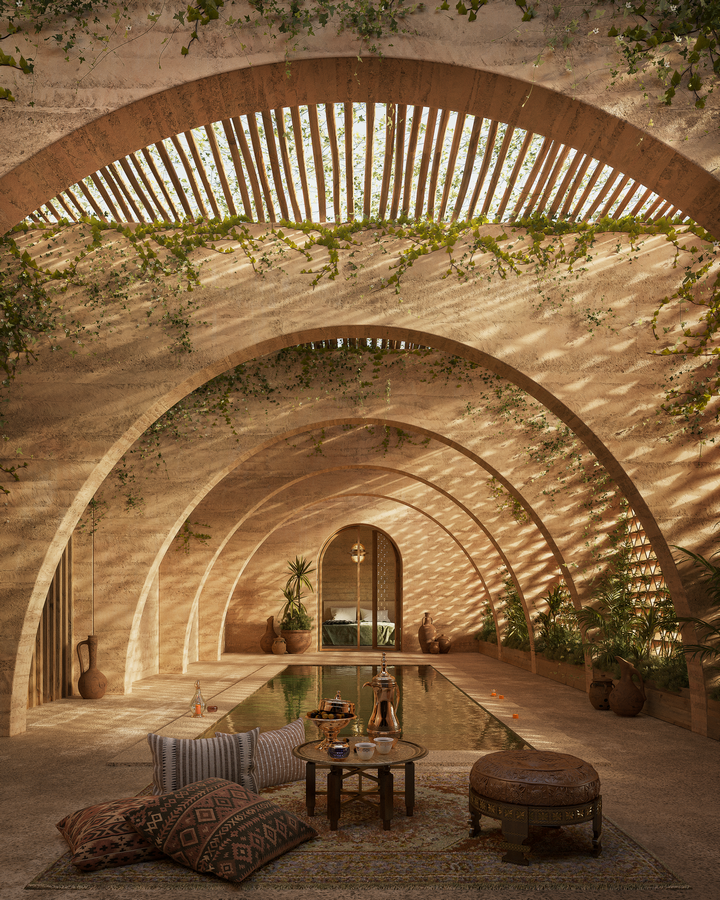
Liwa Farm Village is not only a settlement but a living canvas for social and environmental stewardship. Its pathways and courtyards trace stories of past ingenuity, while its functional programs envision new forms of collective engagement. By embracing the desert’s forces – the wind, heat, and light – as active participants in shaping the architecture, the project transforms environmental challenges into opportunities for comfort, contemplation, and sustainability. Every building, garden, and gathering space is calibrated to foster a sense of belonging, linking inhabitants to each other, to the oasis, and to the enduring rhythm of the desert landscape.
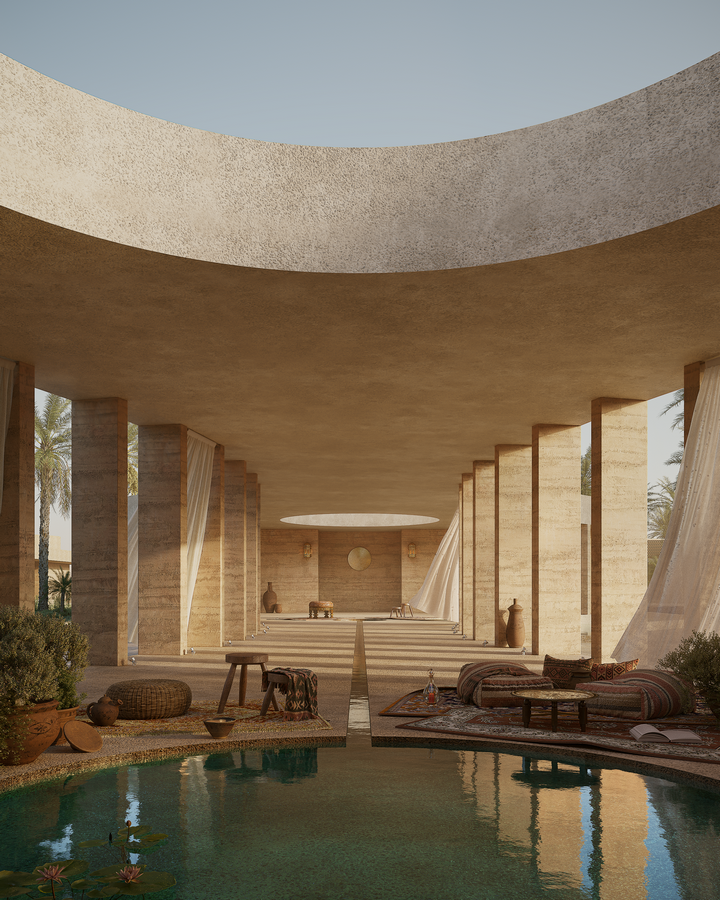
In essence, Liwa Farm Village exemplifies how architecture can act as a bridge between memory and possibility. By reviving vernacular knowledge, cultivating sustainable practices, and nurturing social exchange, it safeguards the cultural patrimony of Al Gharbia while envisioning a resilient future. The oasis is transformed into a vibrant meeting place where tradition, innovation, and community are inseparable; creating a shared horizon that honors both the heritage of the past and the promise of generations to come. It is a project where desert identity, collective memory, and ecological responsibility converge, offering a model for living architecture that grows with the land and its people.