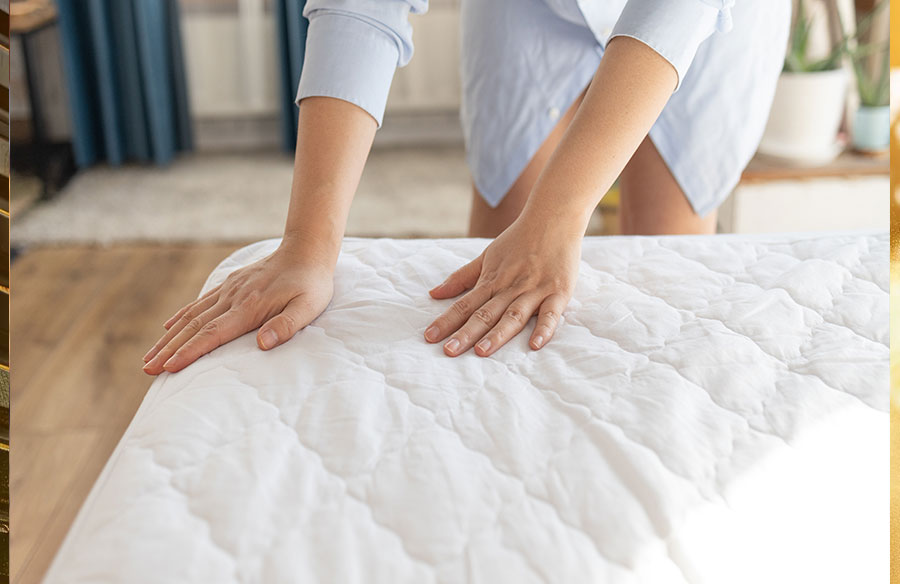
In the competitive hospitality industry, guest satisfaction hinges on countless details, but few elements are as crucial as a comfortable night’s sleep. The mattress beneath your guests directly impacts their experience, online reviews, and likelihood to return. With sleep quality consistently ranking among the top factors influencing hotel satisfaction scores, investing in the right mattresses isn’t just about comfort—it’s a strategic business decision.
Why Mattress Selection Matters More Than Ever
Today’s travelers are more discerning than ever before. Social media and review platforms amplify every guest experience, making a poor night’s sleep a potential public relations nightmare. Research shows that 73% of business travelers consider sleep quality their top priority when booking accommodations, while leisure travelers increasingly view comfortable bedding as a non-negotiable amenity.
The financial implications extend beyond guest satisfaction. Poor mattress choices can lead to increased maintenance costs, frequent replacements, and most critically, negative reviews that impact future bookings. Conversely, exceptional sleep experiences generate positive word-of-mouth marketing and justify premium pricing strategies.
Understanding Your Guest Demographics and Needs
Business Travelers vs. Leisure Guests
Different guest segments have varying expectations and needs. Business travelers often prioritize firm support for better back health during extended stays, while leisure guests may prefer plush comfort for relaxation. Understanding your primary demographic helps inform mattress selection decisions.
Corporate travelers frequently stay multiple nights and may have specific health considerations, including back problems from long flights or extended desk work. Families on vacation might prioritize motion isolation to prevent disturbances between family members sharing rooms.
Special Considerations for Different Room Types
Suite accommodations often warrant premium mattress investments, as guests paying higher rates expect superior comfort. Standard rooms benefit from durable, mid-range options that balance comfort with cost-effectiveness. When choosing mattresses for your hotel rooms, consider how room categories align with guest expectations and budget allocations.
Key Factors in Hotel Mattress Selection
Durability and Longevity
Hotel mattresses endure significantly more wear than residential models. With occupancy rates averaging 60-80% annually, a hotel mattress may experience the equivalent of several years of home use within just one year. Look for commercial-grade construction with reinforced edges, high-density foam cores, and robust spring systems designed for heavy use.
Quality mattresses should maintain their support and comfort for 7-10 years in hotel environments. While initial costs may seem significant, calculating cost-per-night over the mattress lifespan often reveals that premium options provide better value than budget alternatives.
Hygiene and Maintenance Features
Hotel mattresses require enhanced hygiene considerations. Waterproof or water-resistant covers protect against spills and accidents while maintaining breathability for guest comfort. Antimicrobial treatments help prevent odor-causing bacteria and allergen accumulation.
Easy maintenance features, such as removable, washable covers or flip-friendly designs, reduce long-term operational costs and extend mattress life. Some modern hotel mattresses incorporate cooling technologies that prevent moisture retention, further supporting hygiene goals.
Firmness Levels and Guest Preferences
Finding the Sweet Spot
Medium-firm mattresses typically satisfy the broadest range of guest preferences, providing adequate support for back and stomach sleepers while offering sufficient comfort for side sleepers. However, boutique hotels may differentiate themselves by offering pillow-top options for enhanced luxury positioning.
Consider your property’s brand positioning when selecting firmness levels. Luxury establishments might invest in customizable options or offer firmness choices within room categories, while budget-conscious properties focus on universally comfortable medium-firm options.
Regional and Cultural Preferences
Guest preferences can vary significantly by geographic location and cultural background. European guests often prefer firmer sleeping surfaces compared to American travelers. If your property serves international markets, research regional preferences or consider offering room types with different firmness levels.
Budget Considerations and ROI
Initial Investment vs. Long-term Value
Quality hotel mattresses represent a significant upfront investment, typically ranging from £200-800 per unit depending on size and specifications. However, calculating total cost of ownership reveals that premium mattresses often provide superior value through extended lifespans, reduced maintenance needs, and enhanced guest satisfaction leading to increased bookings.
Consider financing options or bulk purchasing agreements that can reduce per-unit costs while maintaining cash flow flexibility. Many suppliers offer trade-in programs for old mattresses, providing additional cost savings and environmental benefits.
FAQ Section
How often should hotels replace their mattresses?
Quality hotel mattresses should be replaced every 7-10 years, depending on occupancy rates and maintenance practices. High-occupancy properties may require more frequent replacement, while boutique hotels with lower usage might extend replacement cycles.
What’s the difference between residential and commercial hotel mattresses?
Hotel mattresses feature reinforced construction, enhanced edge support, commercial-grade materials, and often include antimicrobial treatments. They’re designed to withstand 3-5 times more use than residential mattresses while maintaining consistent comfort and support.
Should all rooms have identical mattresses?
While consistency is important for operational efficiency, many hotels vary mattress quality by room category. Suites and premium rooms often feature upgraded mattresses, while standard rooms use mid-range options that still meet comfort standards.
How important are mattress protectors in hotels?
Mattress protectors are essential in hotel environments, providing hygiene barriers, spill protection, and extending mattress life. Quality waterproof, breathable protectors can double mattress lifespan while maintaining guest comfort.
Can sustainable mattress options work in commercial hotel settings?
Yes, many eco-friendly mattresses now meet commercial durability standards while supporting sustainability goals. Organic materials, recyclable components, and low-emission manufacturing processes can enhance your property’s environmental credentials without compromising guest comfort.
Conclusion
Selecting the right mattresses for your hotel is a complex decision that impacts guest satisfaction, operational efficiency, and long-term profitability. By understanding your guest demographics, prioritizing durability and hygiene features, and carefully balancing initial costs with long-term value, you can create sleep experiences that differentiate your property in a competitive market.
Remember that mattress selection is an investment in your hotel’s reputation and future success. Guests may forget many details of their stay, but they’ll always remember whether they slept well. In an industry where online reviews can make or break bookings, ensuring every guest enjoys a comfortable night’s sleep isn’t just good hospitality—it’s essential business strategy.