Home maintenance often focuses on major items, such as roof replacement, HVAC systems, or siding repairs.
However, one of the most important and often overlooked tasks is gutter cleaning.
Clean gutters protect your home from water damage, mold growth, and even structural issues.
Still, many homeowners ask the same questions: when to clean gutters, how often should gutters be cleaned, and what is the best time of year to clean gutters?
The truth is that there isn’t a one-size-fits-all answer. Instead, it depends on your climate, the types of trees near your home, and how much rainfall your region receives.
Let’s break down the details so you know exactly when to schedule your next cleaning.
How Often Should Gutters Be Cleaned?
At a minimum, gutters should be cleaned twice per year, once in the spring and once in the fall.
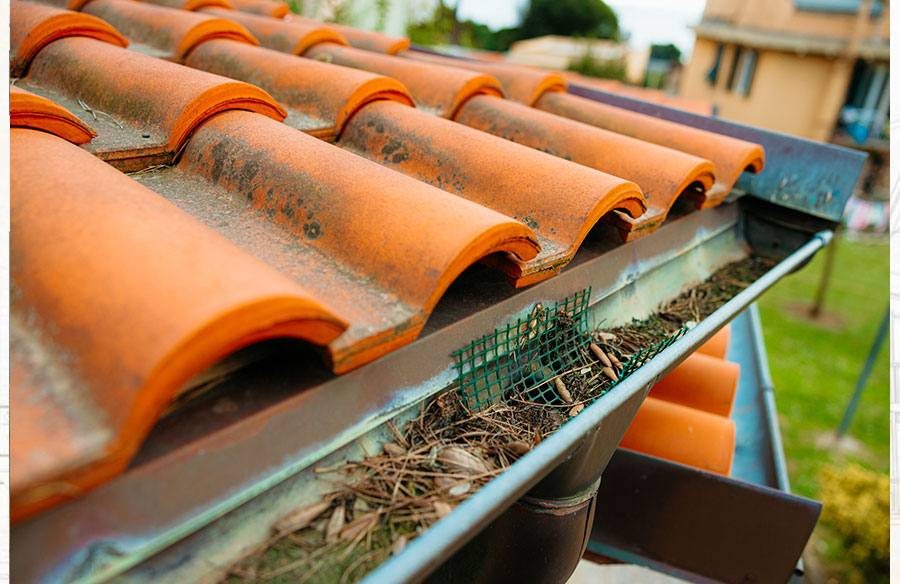
These two cleanings cover the seasons when gutters typically collect the most debris, such as fallen leaves, twigs, pine needles, and seed pods.
However, twice a year isn’t always enough. If your home is surrounded by trees that shed heavily, or if you live in a storm-prone area, you may need cleanings more often.
Some experts recommend scheduling service every three months to keep water flowing freely.
If you’ve ever wondered, When should gutters be cleaned, the safest answer is “before problems begin.”
Setting a routine schedule, rather than waiting until you notice issues, helps prevent damage that can cost thousands of dollars to repair.
Why Spring and Fall Are the Best Times
Most professionals agree that the best time to clean gutters is during the spring and fall seasons.
- Spring cleaning: After a long winter, your gutters may be packed with debris, ice melt residue, or even small branches from storms. Clearing this out early ensures that heavy spring rains have a clear path away from your roof and foundation.
- Fall cleaning: Autumn leaves are the number-one culprit of clogged gutters. If left to pile up, they become soggy in winter, creating blockages that can cause ice dams and water backups.
This is why contractors often refer to spring and fall as the gutter cleaning season.
If you schedule cleanings around these times, you’ll catch most of the debris before it has a chance to cause problems.
Factors That Affect Gutter Cleaning Frequency
Not every home has the same needs. Several factors can determine when to clean gutters and how often to schedule maintenance:
- Trees nearby: Pine trees shed needles year-round, and maples or oaks drop large amounts of leaves in the fall. The more tree coverage your home has, the more frequently you’ll need cleaning.
- Weather patterns: Homes in stormy climates or areas with high winds see more debris in gutters. Heavy rainstorms can also push twigs and leaves into downspouts.
- Regional climate: Dry regions may not need as much gutter maintenance as wet or windy climates. In Ohio, with consistent rainfall throughout the year, gutters face heavier wear than in other states.
Dangers of Skipping Cleanings
Putting off gutter cleaning can lead to more than just unsightly overflows. Clogged gutters cause a chain reaction of problems, including:
- Water damage to your foundation: Overflowing gutters allow water to pool around the base of your home, leading to cracks, shifting, and structural issues.
- Roof leaks and shorter roof life: Blocked gutters add excess weight to your roof and can force water under shingles. Over time, this can cause premature roof damage.
- Mold and mildew: Moisture trapped in clogged gutters provides the perfect breeding ground for mold spores, which can spread into your home.
- Pest infestations: Birds, mosquitoes, and rodents often nest in clogged gutters. Once they’re nearby, they can easily find their way inside.
- Sagging gutters: Debris and water buildup add extra weight, eventually pulling gutters away from your home.
Simply put, skipping a cleaning isn’t worth the risk.
Benefits of Regular Gutter Cleaning
On the flip side, sticking to a routine schedule provides clear benefits:
- Prevents costly water damage by keeping water away from your roof and foundation.
- Extends the lifespan of your roof and gutters, reducing the need for premature replacements.
- Improves curb appeal, since clean gutters keep your home looking well-maintained.
- Protects your family’s health by preventing mold growth and keeping pests away.
Prevention Between Cleanings
While routine cleanings are essential, there are simple ways to keep your gutters working more efficiently between service visits:
- Install gutter guards to block large debris.
- Trim overhanging trees so branches and leaves don’t fall directly into gutters.
- Inspect gutters after major storms to ensure water is draining properly.
- Maintain your roof — broken shingles can wash into gutters and cause clogs.
By combining preventive steps with regular cleanings, you’ll reduce the risk of overflow and damage.
DIY vs Professional Cleaning
Some homeowners attempt gutter cleaning themselves, but professional services offer several advantages:
- Safety: Professionals are trained to work at heights with proper equipment.
- Quality: Crews know how to thoroughly clear clogs and check for hidden issues.
- Reliability: Scheduling with a company ensures your cleanings won’t be skipped.
- Time savings: Free up your weekends by letting professionals handle the work.
While DIY can save money, hiring professionals ensures the job is done safely and effectively.
Gutter Cleaning in Columbus, Ohio
For homeowners in Central Ohio, gutter maintenance is especially important. Columbus experiences rainfall throughout the year, including winter months, which means gutters are under constant stress.
Overflow, sagging, and foundation pooling are common problems when gutters aren’t cleaned regularly.
Local experts such as Worthington roofers recommend sticking to a twice-a-year cleaning schedule at a minimum, with additional maintenance after heavy storms.
This proactive approach protects against water damage and helps your gutters last longer in Ohio’s wet climate.
Final Thoughts
If you’ve been asking yourself when is gutter cleaning season or wondering when should gutters be cleaned, the answer is clear: spring and fall are the best times to clean gutters, with extra cleanings after major storms.
Most homes need service at least twice per year, though some may require more frequent care depending on trees, weather, and climate.
Routine maintenance may not be the most glamorous home project, but it’s one of the most cost-effective ways to protect your roof, foundation, and siding.
By planning and working with professionals, you’ll keep your home safe from water damage and extend the life of your roofing system for years to come.