What is the first thing that comes to your mind when you see a pile of utensils after a large meal? You see the dirty utensils like kadhai, plates, bowls, and glasses all together in your kitchen sink? Sounds irritating, right?
It is easy for a family of four to accumulate two to three loads of dishes a day. With both partners being employed in most urban homes, the time spent washing these utensils is mostly regarded as an exhausting task. This is where built in countertop dishwasher, which were previously a luxury, are now becoming a mass necessity in India.
The increase in sales of dishwashers in India have risen in the last two years, all due to water shortages, time constraints, and the increasing popularity of modular kitchens. As there are so many choices available, a lot of households are debating whether a built in countertop dishwasher is sufficient to cope with the daily volume. Let’s dig in deep.
The Growing Interest in Dishwashers in India
India’s urban homes are transforming the way they manage their daily chores. Busy schedules, compact living, and the need for hygiene cleaning practices are driving dishwashers to the wish list of appliances that people now want for their kitchen. Built in dishwasher India units have seen a huge market growth as homeowners look for appliances that can be installed quickly in modern modular kitchens and make their work easy.
For families of four people, the question is whether a built -in dishwasher will make the trick or if they will need a larger model for their kitchen. To know the exact answer to this question, it is important first to know how these small devices work and for what purpose they are really made.
What is a Built-in Countertop dishwasher?
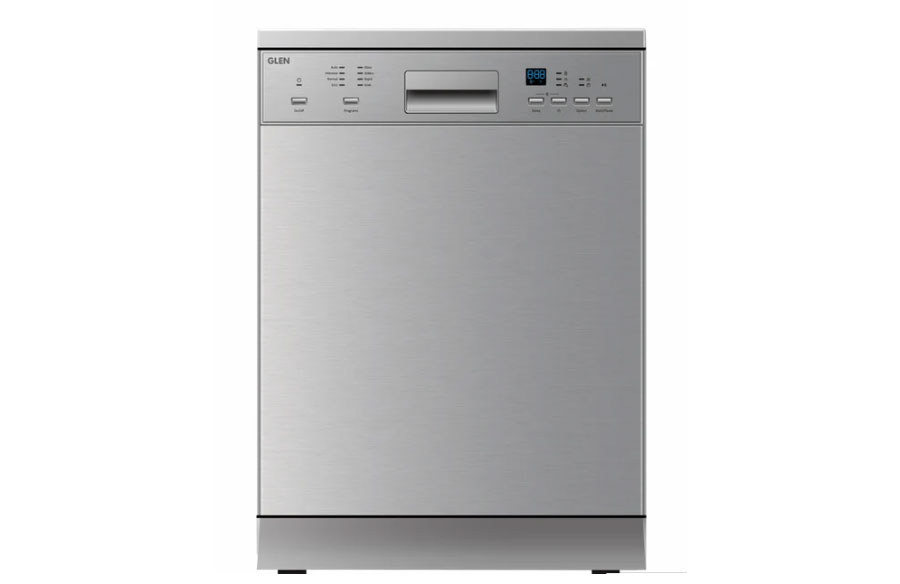
A built in countertop dishwasher is a small spatial device that can be placed on the counter or integrated directly into the cabinets of the kitchen. In contrast to normal-sized washes, this takes up less space and less water, but still provides strong cleaning. Most of these units have six to eight place settings, which generally translates to being able to wash about 50 to 60 utensils in a single wash. This perfectly sounds great to most people.
Whereas a standard built in dishwasher India designed for 10 to 14 place settings is ideal for larger families or homes with large amounts of space, the countertop design is suited for smaller families or houses with minimal space.
This magical appliance works out in actual day-to-day usage for a family of four in an effective way by cleaning all the dirty utensils within a few minutes.
Meeting the Needs of a Family of Four
A family of four would average two loads in a day. One lunch, and one can be the evening load. This would consist of plates, glasses, serving dishes, and a few utensils. A built in countertop dishwasher should have no problem managing this load in one or two cycles, depending on the size of utensils and whether or not heavy cookware is used in the cooking.
It is also important to mention that dishwashers use much less resources. Manual washing consumes up to 40-50 liters of water per cycle, but most modern dishwasher takes only 8 to 12 liters. For Indian metropolises where people are experiencing water shortages, this efficiency is a massive help. Considering electricity, dishwashers use less energy than many other typical cooking utensils, which makes them the best option for Indian kitchens.
The time savings are equally priceless for busy families balancing work and household chores. A dishwasher cycle will be around 30-60 minutes, but it’s totally hands-off. Now you don’t need to stand near your sink to get your utensils clean. The dishwasher manufactured in a countertop acts as a hand that helps you and frees up some time for family members, so that they can spend time together.
Benefits of a Built-in Countertop Dishwasher in Your Kitchen
- Space Savings- It fits comfortably in small Indian kitchens or apartments.
- Water and Energy Efficiency- It consumes less water and power than hand washing.
- Hygienic Cleaning- Spins at hot temperatures that kill bacteria and clean up the greasy and oily Indian food stains.
- Ease of Use- No bending or additional plumbing for countertop models, so they are convenient for families residing in rented flats.
Limitations to Consider
Though convenient, an inbuilt countertop dishwasher might be a little limited for four-member families that prepare complex meals every day. Big utensils such as multiple kadhai or large pressure cookers may require individual cycles. A full-size built in dishwasher India might be more effective in such situations in modern kitchens. Still, for families who balance home-cooked meals, a countertop model provides the perfect middle ground between convenience and efficiency.
If you are searching for one for your kitchen, then you can explore the top brands online that offer different and the most advanced models of dishwashers. Just compare the features and then analyze your requirements to buy a perfect fit for your kitchen.
Find the Right Dishwasher for Your Kitchen
Families wishing to transform their kitchen need to select a brand that provides the best kitchen appliances to meet Indian cooking requirements. Glen Appliances, the most popular name for kitchen utensils, produces a variety of dishwashers designed especially for modern Indian kitchens. Whether you consider a built in dishwasher for small houses or a full -size built -in dishwasher model for heavy use, Glen appliances offer reliable choices that unite performance, energy efficiency, and longevity. You can explore the entire range of dishwashers on their official website.
Deciding What Works Best for Your Home
Is a built in countertop dishwasher sufficient for a household of four? For the average modern Indian family, the answer is positive. These dishwashers are efficient in handling the daily load, require less water, electricity, and, most importantly, save time. If your home uses more than one heavy-duty cookware item within a single day, they may require another cycle, but for regular use, they are ready for functioning.