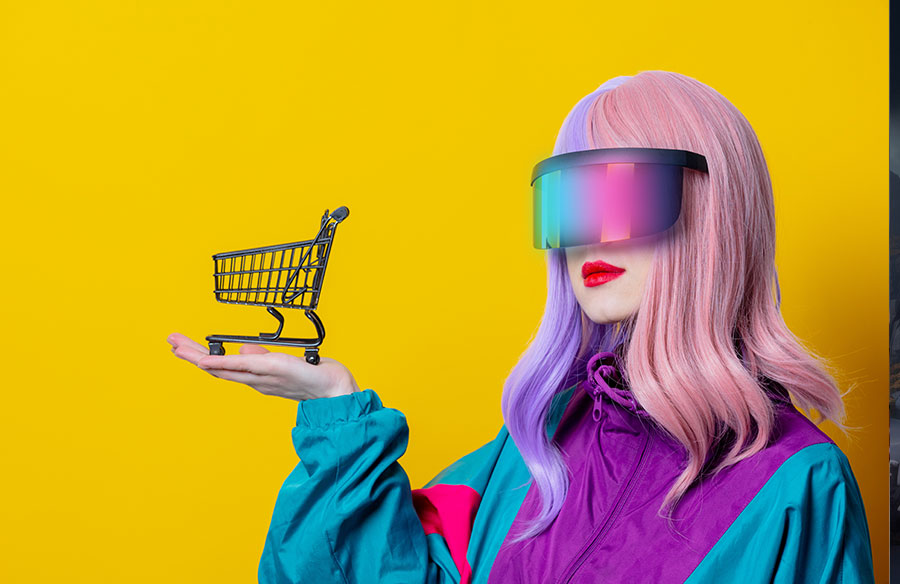
Retail has always been an industry shaped by innovation. From the first department stores in the 19th century to the rise of e-commerce in the early 2000s, every technological leap has redefined how people shop. Today, augmented reality (AR) is driving the next major transformation.
By blending digital content with the physical world, AR is creating shopping experiences that are immersive, interactive, and deeply personalized. For both retailers and consumers, this technology is not just about novelty—it’s about solving real challenges in product discovery, customer confidence, and engagement.
What Is AR in Retail?
Augmented reality refers to digital overlays—3D models, animations, or information—that enhance a person’s view of the real world. In retail, this means shoppers can:
- Try on a pair of sneakers virtually through their smartphone camera.
- See how a sofa fits in their living room before ordering it online.
- Scan a product in-store and instantly receive usage tips or sustainability details.
Unlike virtual reality (VR), which requires a headset and immerses users in a fully digital environment, AR works with the physical world. It typically runs on devices consumers already own, such as smartphones or tablets, making it easier to adopt at scale.
Key Applications of AR in Retail
1. Virtual Try-Ons
One of the most widespread uses of AR in retail is virtual try-on technology. Fashion, eyewear, and beauty brands have adopted AR tools that let customers see how products look on them without physically trying them.
- Fashion & Accessories: Gucci and Nike offer AR sneaker try-ons, while Ray-Ban allows shoppers to test different frame styles instantly.
- Cosmetics: Sephora’s “Virtual Artist” and L’Oréal’s AR-powered apps let users try on lipsticks, foundations, and eyeshadows in real time.
This approach removes uncertainty, encourages experimentation, and often boosts consumer confidence, leading to higher sales conversions.
2. Home and Furniture Visualization
When it comes to big-ticket purchases like furniture, AR helps bridge the gap between imagination and reality.
- IKEA Place App: Customers can place life-size digital models of furniture in their rooms to see if it fits.
- Wayfair: Offers AR product placement directly from its mobile app.
These experiences significantly reduce return rates, a major challenge in online furniture sales. Consumers no longer have to “guess” whether a couch is too big or whether a rug matches their décor—they can preview it instantly.
3. Interactive In-Store Experiences
Brick-and-mortar stores are far from obsolete; instead, AR is helping reinvent them. Retailers are using AR to create hybrid shopping experiences that merge digital convenience with physical touchpoints.
- Smart Mirrors: AR-enabled mirrors in fitting rooms suggest complementary items or allow shoppers to switch colors and sizes virtually.
- Product Scanning: Scanning a wine bottle could reveal tasting notes, food pairings, and vineyard history.
This approach keeps physical stores engaging while catering to tech-savvy shoppers who crave more information and personalization.
4. Gamification and Customer Engagement
AR also serves as a powerful marketing tool. By turning shopping into an interactive game, retailers can build excitement and loyalty.
- Treasure Hunts: Brands like Starbucks have experimented with AR-powered scavenger hunts tied to rewards.
- Social Media AR Filters: Fashion and beauty brands use Snapchat and Instagram AR filters to let customers interact with products directly in their social feeds.
This playful element not only drives sales but also generates shareable content, amplifying brand visibility.
Vizbl: Bringing AR Retail to Life
Among the many players shaping this landscape, Vizbl stands out as a company making AR tools accessible for businesses of all sizes.
Unlike some solutions that require expensive app development or complex integrations, Vizbl offers a plug-and-play AR platform. Retailers can embed 3D, true-to-scale models of their products into e-commerce sites, mobile apps, or even digital ads—without requiring customers to download a separate app.
What Makes Vizbl Different?
- Seamless Integration: Works across major e-commerce platforms and web browsers.
- No App Needed: Customers can engage with AR directly from their phone’s browser, reducing friction.
- Immersive Visualization: Products can be placed into real-world environments, rotated, zoomed, and examined from any angle.
For retailers, Vizbl’s main benefit is simplicity. Smaller brands that previously lacked the resources to implement AR can now offer experiences once limited to global giants like IKEA or Sephora.
The Business Impact
- Higher Conversion Rates: Shoppers who interact with 3D/AR models are significantly more likely to make a purchase.
- Lower Return Rates: Customers buy with more confidence because they know what they’re getting.
- Enhanced Storytelling: AR allows brands to showcase craftsmanship, details, or features in ways that photos and videos cannot.
Vizbl demonstrates how AR is moving from “experimental marketing gimmick” to practical retail infrastructure.
Benefits for Retailers and Consumers
For Retailers
- Reduce return rates with better-informed purchases.
- Boost customer engagement and dwell time on websites and in stores.
- Differentiate their brand in a crowded, highly competitive marketplace.
- Collect valuable data on how customers interact with products in AR.
For Consumers
- Greater confidence in online shopping.
- Personalized, interactive experiences that make shopping fun.
- Easier decision-making, especially for high-consideration products.
- A seamless blend of digital convenience and in-store discovery.
Challenges Facing AR in Retail
Despite its potential, AR adoption in retail is not without obstacles.
- High Initial Costs: Creating 3D product models and AR content requires investment.
- Technical Barriers: Not all devices support advanced AR features, although smartphone capability is improving rapidly.
- Consumer Awareness: Some shoppers still see AR as a gimmick rather than a practical tool.
- Integration Complexity: Legacy retail systems may not easily accommodate new technologies.
To overcome these hurdles, retailers must focus on usability—making AR experiences intuitive, accessible, and genuinely helpful.
The Road Ahead: AR and the Future of Shopping
Looking forward, AR is expected to become even more powerful thanks to advancements in AI, 5G, and wearable devices:
- AI-Powered Personalization: Imagine AR apps that recommend products tailored to your body type, home décor, or shopping history.
- AR Glasses: With Apple, Meta, and other tech giants investing in AR hardware, shopping through lightweight glasses could soon become mainstream.
- Phygital Retail: Blurring the lines between physical and digital retail, AR could allow customers to buy directly through immersive experiences, whether they’re walking in a mall or browsing at home.
Industry analysts predict that AR in retail will grow into a multi-billion-dollar market over the next decade. Retailers that embrace the technology now will be positioned to lead in a highly competitive, experience-driven future.
Final Thoughts
Augmented reality is no longer a futuristic concept reserved for sci-fi movies. It is here, shaping the way we shop today and setting the stage for tomorrow’s retail landscape.
From virtual try-ons to immersive product visualizations, and from in-store gamification to platforms like Vizbl, AR is solving real challenges while delighting consumers.
Retailers who adopt AR now won’t just stay competitive—they’ll redefine the shopping experience itself, creating environments where the digital and physical worlds coexist seamlessly.
In this new reality, shopping won’t just be about transactions. It will be about discovery, confidence, and connection—and AR will be the bridge making it possible.