Walk into a trade show and it hits you immediately: the noise, the lights, the sheer number of companies competing for attention. Among all that chaos, the stands that draw you in aren’t just “booths.” They feel more like miniature buildings — carefully designed, lit, and staged to guide you through an experience.
That similarity isn’t an accident. Exhibition design has been quietly borrowing tools and ideas from architecture for years. The visualisation methods that once helped architects sell skyscrapers and museums are now being used to bring custom exhibition stands to life.
It’s a crossover that makes sense. Both disciplines face the same challenge: turning a vision into a real, physical space that works for people. And the way they get there — from CAD drawings to virtual walkthroughs — is remarkably similar.
From Drafting Tables to Digital Models
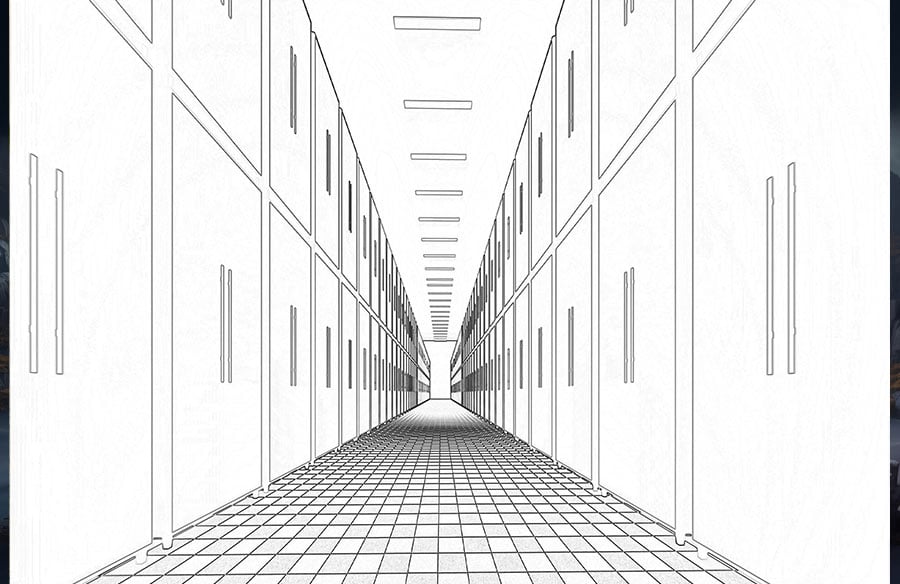
For centuries, architects relied on hand sketches and blueprints to show clients what a building might look like. They were beautiful, yes, but let’s be honest — they required a lot of imagination. A flat floor plan doesn’t exactly capture the feeling of walking through a finished space.
CAD changed that. Suddenly, you could spin a drawing around, zoom in on details, and check exact measurements in seconds. Then came 3D rendering and photorealistic visuals, which made it possible to “see” a building before it was ever built.
Exhibition design followed the same trajectory. Instead of trying to explain a concept with rough drawings, designers can now present a polished 3D model of a stand. Clients no longer need to squint at line drawings and hope for the best — they can literally walk through a digital version of their stand and know exactly what they’re getting.
Why CAD Still Matters
CAD may feel old compared to VR headsets and flashy renders, but it’s the backbone of the process. Without it, you’re basically building blind.
Think about it: an exhibition stand has to fit into a very specific footprint, meet safety standards, and be assembled (and dismantled) quickly. A missed measurement could mean a stand that doesn’t fit the hall, or worse — a structure that isn’t safe.
With CAD, designers can check every bolt, bracket, and panel before the first screw is turned. For businesses investing in custom exhibition stands, this accuracy saves time, money, and a whole lot of stress. It also makes life easier for contractors on site, who don’t have to second-guess what the designer meant.
3D Modelling: Making Ideas Tangible
Here’s where things get exciting. CAD gives you the bones, but 3D modelling puts flesh on them. With the right software, a designer can drop in textures, lighting, graphics, and branding — and suddenly a flat drawing becomes a lifelike preview.
Why does this matter? Because most of us are visual people. We need to see it. A slick 3D render allows clients to walk through their stand virtually, imagine how visitors will move through it, and even see how their brand colours will pop under different lighting.
It’s not just about aesthetics either. 3D previews cut down on nasty surprises. If something looks off, you catch it early — long before the build crew starts cutting panels. That means fewer last-minute changes, less wasted material, and a smoother installation.
Virtual Prototypes and Simulations
Architects don’t just draw buildings; they test them. Digital simulations can show how sunlight will move across a façade, how air flows through a space, or how people will use different entrances. Exhibition designers are now using similar tricks on a smaller scale.
For instance, lighting simulations help determine whether a spotlight will actually highlight a hero product — or just blind passers-by. Flow modelling can predict if a crowd will bottleneck at the entrance or breeze through naturally. Even acoustics can be tweaked to make sure a demo area doesn’t drown out conversations at the back.
These insights can be the difference between a stand that simply “looks nice” and one that works. When you’re competing against hundreds of other exhibitors, the ability to test and refine these details in advance is worth its weight in gold.
Storytelling Through Space
If there’s one thing architecture does brilliantly, it’s storytelling. A cathedral inspires awe, a library invites quiet reflection, a marketplace buzzes with energy. These aren’t accidents — they’re design choices.
The same logic applies to exhibition design. A stand isn’t just a backdrop for products; it’s a stage for a story. Do you want visitors to feel welcomed? Excited? Curious? Visualisation tools let designers experiment with layouts and sightlines to craft that journey.
Maybe you lead visitors past a dramatic entry arch, guide them toward an immersive product demo, then draw them into a quieter meeting area. By planning it digitally, you can make sure the flow feels natural and that every element contributes to the brand story.
Sustainability and Smarter Design
There’s also a bigger issue at play here: sustainability. Exhibitions have a reputation for waste — one-off builds, mountains of discarded materials, endless piles of printed graphics.
Digital design helps tackle that problem. When you model and test a stand virtually, you only build what’s necessary. Mistakes are caught early, which means less material wasted. And with modular design, custom exhibition stands can be reused, reconfigured, and repurposed for different shows rather than scrapped after one outing.
It’s the same principle architects use when they talk about adaptive reuse. Instead of tearing down and starting from scratch, you build something flexible enough to evolve.
What’s Next?
We’re already seeing where this is heading. VR lets clients strap on a headset and wander through their stand before it exists. AR overlays digital features onto physical prototypes, creating a hybrid preview that feels both real and futuristic.
And then there’s AI. In architecture, algorithms are starting to generate building concepts based on criteria like light, airflow, and energy efficiency. It’s not hard to imagine similar systems offering exhibition stand concepts tailored to a brand’s goals, audience, and budget.
Of course, these tools won’t replace human creativity. What they will do is speed up the process and open up new possibilities — allowing designers to focus on storytelling and strategy while the software crunches the technical details.