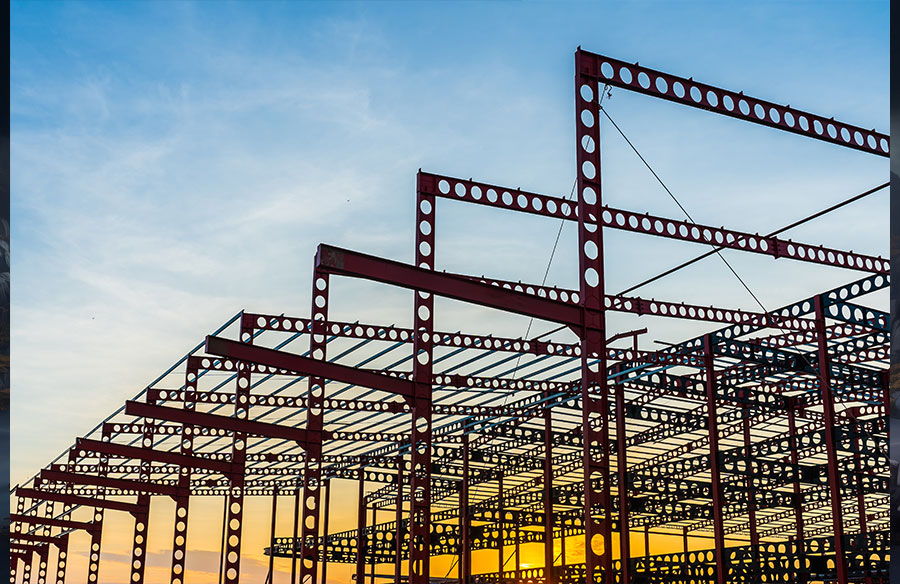
For decades, estimating structural steel meant one thing: manual takeoff. Estimators spent long hours flipping through sheets, highlighting column structures, cross-checking dimensions, and building spreadsheets from scratch. Every splice plate, connection detail, and column tag had to be reviewed and re-reviewed to ensure that no critical details were missed.
That traditional process is being replaced—quietly but quickly. Contractors across the industry are turning to structural steel takeoff software to streamline their workflows, reduce errors, and speed up their bid cycles. And this shift isn’t limited to steel alone. More companies are now integrating drywall takeoff software and plumbing takeoff software into a connected system that aligns scope across trades.
The result? Faster takeoffs and more bids submitted in less time, fewer mistakes, and better coordination between teams.. Let’s break down how it’s happening.
1. No more manual counting
Traditional takeoff software thinks site plans and drawings as a series of lines and shapes. You click, measure, and count—but all the decision-making is still on you, which means half of your bid cycle is spent on doing takeoffs.
AI-based structural steel takeoff software does more than this. It recognizes standard steel profiles, detects base plates, identifies weld symbols, and locates structural members across sheets—even when the tags are inconsistent.
Instead of dragging your cursor over every beam, you can review grouped assemblies and auto-detected from the drawings. Missed a connection detail on one level? The AI highlights it before it gets overlooked.
2. From isolated estimation to connected trades
On real jobs, trades are never entirely separate. Framed openings in drywall depend on steel. Plumbing lines often pass through structural members. When takeoff happens in isolation, coordination issues come in.
By using connected software – drywall takeoff software and plumbing takeoff software that integrate with structural steel—you can catch conflicts early. For example:
- A drywall estimator sees steel studs and pre-framed headers already accounted for.
- A plumbing takeoff highlights required sleeves where piping intersects beams.
- Structural revisions are automatically reflected in downstream trades.
No extra coordination meetings. No guesswork. Just a shared view of what’s built into the job.
3. Accuracy that prevents multiple rework
Most estimating mistakes don’t come from laziness—they come from complexity. It’s easy to miss a splice detail buried on a page or a callout that’s referenced but not tagged. These things slip through during the manual takeoff process. With AI-based steel takeoff software, every missed item and detail is flagged easily. Repeated elements are grouped and inconsistent annotations are caught before they become field problems. It’s not about doing the job faster. It’s about doing it once—correctly.
4. Takeoff that keeps up with revisions
In a real bid cycle, plans change. General contractors issue addenda. Engineers revise beam sizes. Schedules shift. Manual takeoff workflows fall apart under these conditions. You’re forced to go back, re-measure, and compare versions by hand.
Not anymore.
With AI-based takeoff software, you upload the new plan set, and the software identifies what changed—whether it’s a new column, a resized beam, or a deleted steel bracing member. Your takeoff stays live and up-to-date, even as the job evolves.
5. Build confident bids with verified quantities
Bidding with incomplete or outdated quantities is a risk—and contractors know it. That’s why takeoff accuracy isn’t just a technical problem. It’s a financial one.
With a verified steel takeoff in place—backed by clean drywall and plumbing quantities—you’re not building your estimate on guesswork. You’re submitting a proposal that reflects what’s actually on the sheets.
Every beam. Every stud. Every pipe.
6.Estimating tools that match the way contractors work
The best AI takeoff software doesn’t overcomplicate things. For takeoff, that means:
- Reading plans without forcing you to build templates
- Highlighting missing or unreferenced items
- Helping you combine structural, drywall, and plumbing scopes
- Giving you clean, exportable results that estimators can review, adjust, and approve
Beam AI, for example, is built precisely for this purpose—automating what should be automated, while keeping estimators fully in control of the final output.
Final Word: Better Takeoff Means a Better Start
Every successful project starts with a great takeoff. If the quantities are incorrect, everything that follows—labor, materials, logistics—becomes more challenging.
That’s why contractors are shifting to AI structural steel takeoff software such as Beam AI and connecting it with drywall takeoff software and plumbing takeoff software. It’s not just about saving time. It’s about making sure what you build on paper matches what happens in the field. The software is here, and the companies adopting it are winning more work—with fewer surprises later on.