Key Takeaways
- Only invest what you can afford to lose – limit crypto exposure to 5-10% of your total portfolio
- Use dollar-cost averaging to reduce volatility impact and build positions systematically over time
- Focus on established cryptocurrencies like Bitcoin and Ethereum rather than speculative altcoins
- Secure your investments with hardware wallets and proper storage practices
- Stay informed about regulatory developments and market fundamentals before making investment decisions
The crypto market has evolved dramatically since Bitcoin’s inception, transforming from a niche digital experiment into a legitimate asset class attracting retail and institutional investors alike. However, the volatile nature of digital assets and the complexity of blockchain technology can make cryptocurrency investing intimidating for newcomers and challenging even for experienced traders.
With crypto markets operating 24/7 and new projects launching constantly, having a solid investment strategy is crucial for anyone looking to gain exposure to this emerging asset class. Whether you’re a new investor or an experienced trader, understanding proper risk management and investment techniques can make the difference between significant losses and long-term success.
This guide highlights essential cryptocurrency investment tips, focusing on fundamental analysis, portfolio allocation, security, and risk management to help you navigate crypto investing confidently.
Essential Investment Principles for Cryptocurrency
Define Clear Investment Objectives
Before investing, clarify your financial goals. Are you aiming for long-term wealth accumulation, portfolio diversification, or short-term trading profits? Your objectives will help shape your risk tolerance and determine the most suitable investment strategies.
Cryptocurrency markets differ from traditional currencies due to their high volatility and 24/7 operation. Unlike fiat currencies backed by central banks, crypto assets derive value from network effects, utility, and market sentiment, requiring a tailored analytical approach.
Assess Your Risk Tolerance
Crypto investments carry high risk due to market fluctuations and regulatory uncertainty. Financial advisors generally recommend limiting crypto exposure to 5-10% of your overall portfolio to avoid devastating losses.
New investors should start smaller, around 1-2%, to gain experience without risking significant capital. This cautious approach allows you to learn market dynamics while protecting your broader financial assets.
Diversify Your Crypto Portfolio
Avoid concentrating your crypto investments in a single asset. Diversify across cryptocurrencies with different use cases and risk profiles to manage risk effectively.
A balanced allocation might include 60-70% in established coins like Bitcoin and Ethereum, 20-30% in promising altcoins with strong fundamentals, and 10% in stablecoins for liquidity and opportunistic buys during market dips.
 Set Entry and Exit Points
Emotional decisions often harm crypto portfolios. Establish clear rules for when to buy more, take profits, or cut losses before investing. Document your investment thesis, including target allocations and performance metrics, to maintain discipline during volatile markets.
Maintain Emergency Funds
Only invest in crypto after securing 3-6 months’ worth of living expenses in traditional savings. This financial cushion prevents forced selling during personal financial stress and ensures you don’t jeopardize essential funds.
Understanding Cryptocurrency Fundamentals
Evaluate Token Utility and Use Cases
Not all tokens serve the same purpose. Some act as digital currency, others power smart contracts or decentralized applications. Assess whether a project solves real-world problems and has genuine adoption potential.
Projects with active users and transaction volume generally offer better long-term prospects than those relying on hype alone.
Research Development Teams
Strong development teams with transparent communication and proven track records increase a project’s success likelihood. Check GitHub activity, updates, and community engagement.
Avoid anonymous teams or projects promising guaranteed returns, which are often red flags.
Analyze Competitive Advantages
Thousands of crypto projects compete for adoption. Consider factors like transaction speed, security, developer support, and user experience.
Bitcoin benefits from brand recognition and institutional adoption, while newer projects may offer superior technology but face adoption challenges.
Stay Updated on Industry News
The crypto market evolves rapidly. Follow reputable industry sources and regulatory updates to stay informed about developments that could impact your investments.
Risk Management Strategies
Position Sizing and Limits
Never invest more than you can afford to lose. Limit individual cryptocurrency positions to 1-2% of your total portfolio to reduce exposure to any single asset’s failure.
Diversification further minimizes concentration risk.
Use Stop-Loss Orders Carefully
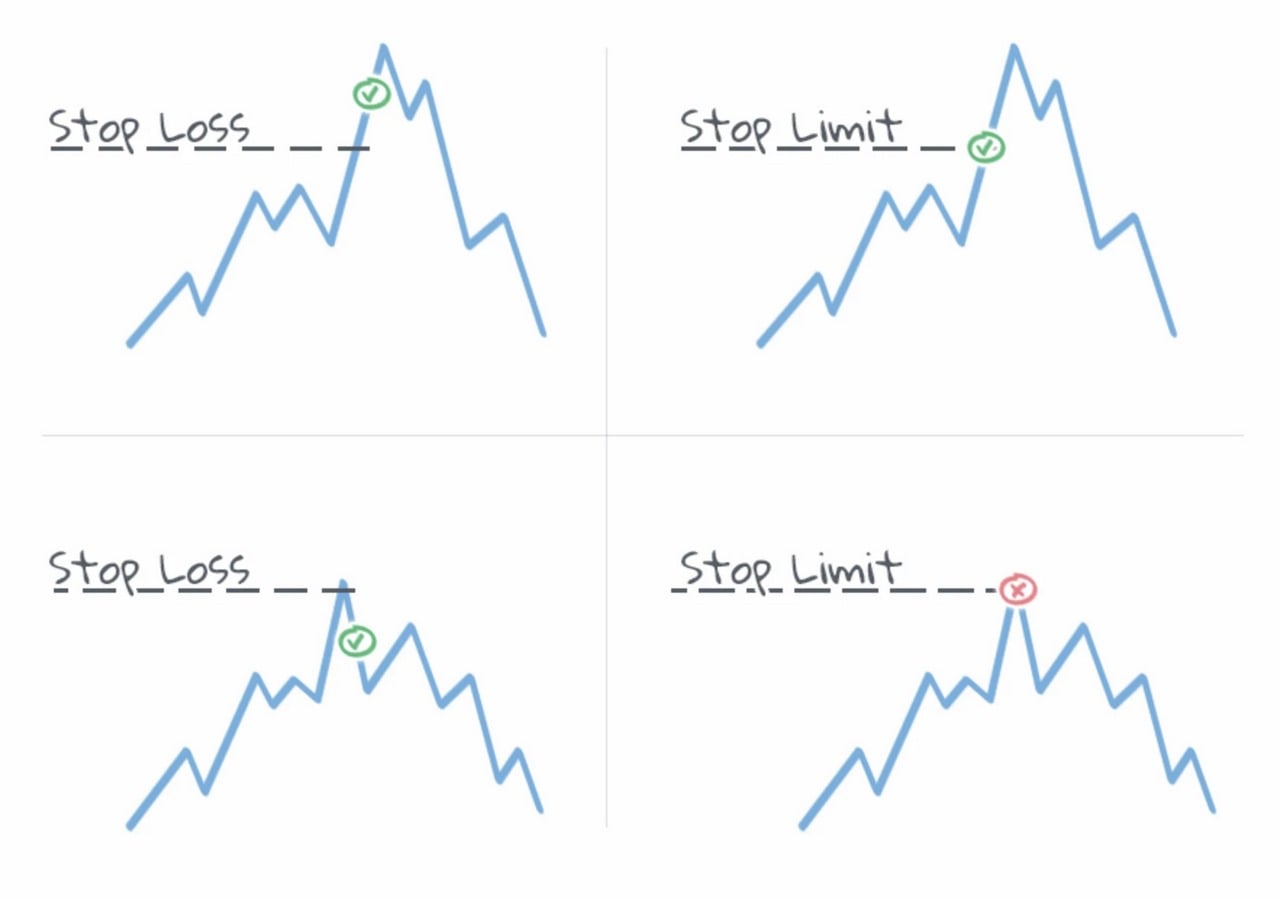
Stop-losses can limit losses by automatically selling assets below set prices. Consider trailing stop-losses that adjust with price increases to protect profits while limiting downside.
Be aware that crypto volatility can trigger stop-losses during temporary dips.
 Avoid Leveraged Trading
Leverage amplifies gains and losses and is risky for inexperienced investors. Margin calls can force liquidation at unfavorable times.
Focus on spot trading with funds you fully own.
Keep Detailed Records
Maintain comprehensive transaction records for tax reporting and performance tracking. Use crypto tax software to automate this process.
Monitor Regulatory Changes
Regulations can significantly affect crypto prices and accessibility. Stay informed about laws in major markets to anticipate risks and adjust strategies.
Smart Investment Techniques
Dollar-Cost Averaging (DCA)
DCA involves investing fixed amounts regularly regardless of price fluctuations, reducing the impact of volatility.
Automate purchases on trusted exchanges weekly or monthly. Consider increasing buys during significant market dips.
Track your average cost basis to evaluate performance over time.
Portfolio Allocation and Rebalancing
Allocate most of your crypto holdings to established assets and a smaller portion to promising altcoins. Keep some stablecoins for flexibility.
Rebalance quarterly to maintain target allocations, taking profits from outperformers and adding to underperformers.
Market Timing Awareness
While perfect timing is impossible, understanding market cycles can guide investments. Avoid buying during hype-driven peaks and consider buying during pessimistic periods.
Use sentiment indicators like the crypto fear and greed index as one of several decision tools.
Tax-Loss Harvesting
Offset gains by realizing losses on underperforming assets to reduce tax liability. Be mindful of wash sale rules in your jurisdiction.
Consult tax professionals for complex strategies.
Security and Storage Best Practices
Use Hardware Wallets
Store significant holdings in hardware wallets to keep private keys offline and secure from hacks.
Transfer coins to hardware wallets promptly after purchase, keeping only small amounts on exchanges for trading.
Protect Recovery Phrases
Store recovery phrases securely offline in multiple physical locations. Never save them digitally.
Consider splitting phrases across locations for added security.
Enhance Exchange Account Security
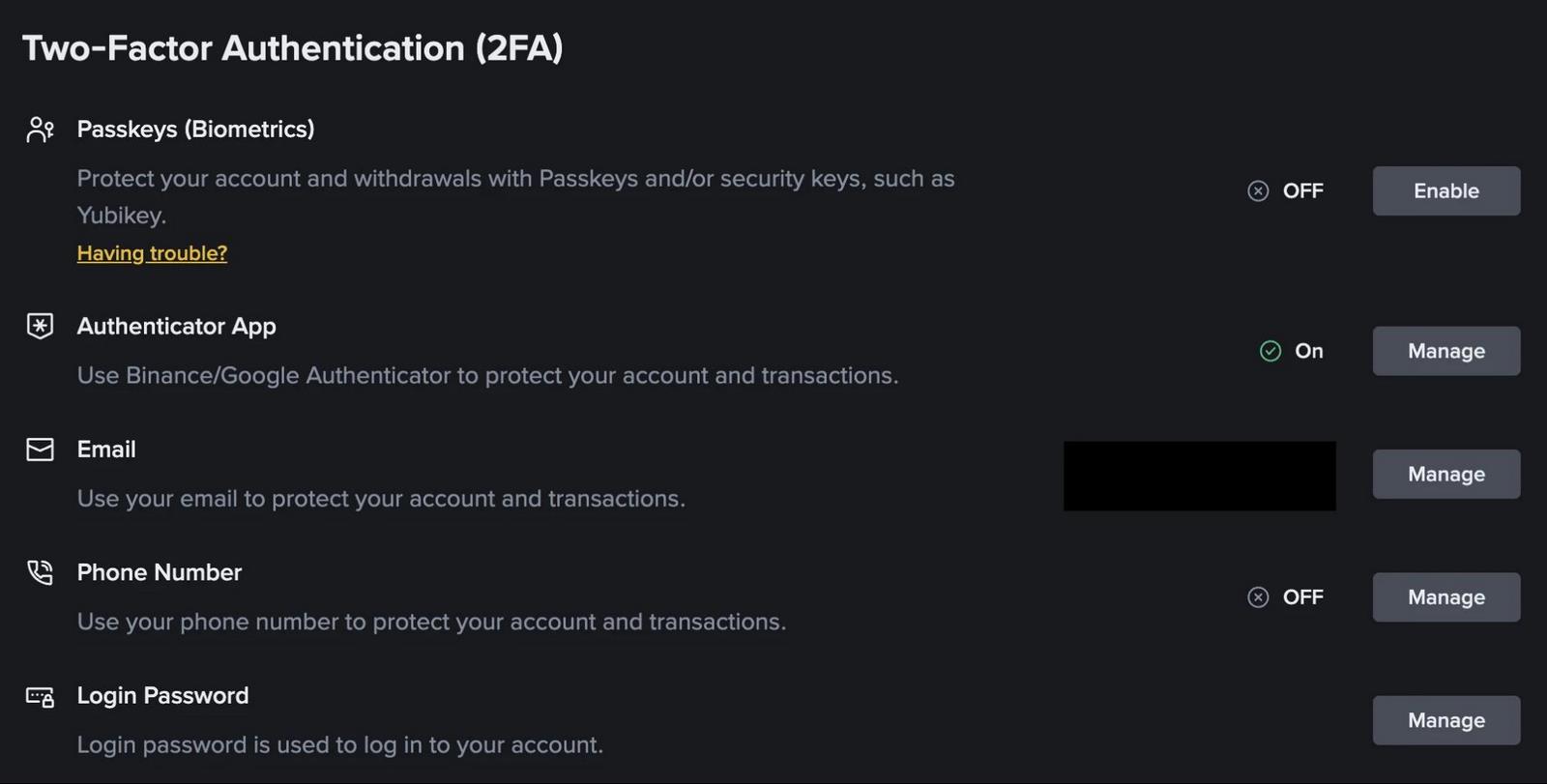
Turn on two -factor authentication on the crypto exchange, use unique reliable passwords and add to the white list of addresses for withdrawing funds. According to Merehead, most crypto exchanges have a strong security system, but this does not give 100% guarantees that your funds are safe.
 Conduct Regular Security Reviews
Update wallet firmware, monitor accounts for unauthorized activity, and consider multi-signature wallets for large holdings.
Common Investment Mistakes to Avoid
Chasing Quick Profits
Day trading crypto is risky and often leads to losses due to volatility and emotional decisions. Focus on long-term strategies like DCA and buy-and-hold.
Investing in Meme Coins Without Fundamentals
Meme coins are highly speculative and often crash severely. Stick to projects with real utility and strong teams.
Panic Selling
Avoid selling during market downturns, which locks in losses. Maintain a long-term plan and consider buying during dips.
Ignoring Profit-Taking
Take profits systematically during bull markets to protect gains and rebalance your portfolio.
Overlooking Tax Implications
Track transactions carefully and plan for tax obligations to avoid surprises and penalties.
Following Influencer Hype
Don’t invest based solely on social media or influencer recommendations. Conduct independent research focused on fundamentals.