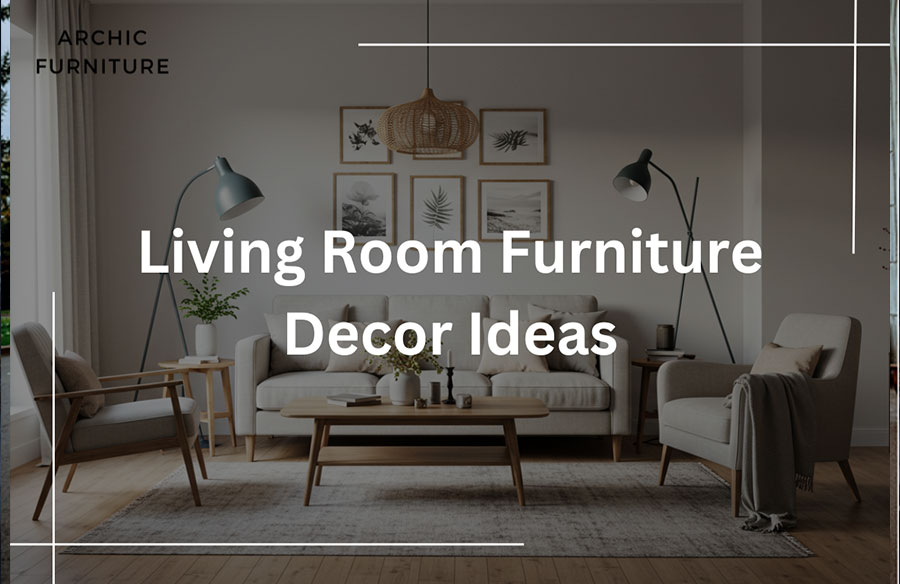
Your living room reveals everything about you before you say a word. Walk into someone’s home, and you’ll instantly know if they’re neat freaks or comfortable with chaos, entertainers or homebodies, traditionalists or risk-takers.
Most people think great living rooms happen by accident or require expensive designer help. But the truth is simpler – the best spaces just make smarter choices about what goes where and why. When space gets tight, clever solutions like a cabinet bed can handle overnight guests without turning your living room into a bedroom.
Here are 15 ideas that actually work in real homes with real families and real budgets.
1. Your Sofa Choice Changes Everything
Forget what magazines tell you about sofa trends. Your sofa needs to work for how you actually live, not how you think you should live.
Sectionals make sense if your family spends Sunday afternoons sprawled out watching movies together. They also work great for people who throw parties because everyone can face each other while sitting.
But if you’re constantly rearranging for different occasions, a sofa plus two chairs gives you way more flexibility. You can move chairs around for intimate conversations or push them back against walls when you need floor space.
Size matters more than style. A tiny sofa in a big room looks scared. An oversized sectional in a small space makes everything feel cramped.
2. Coffee Tables That Actually Make Sense
Your coffee table gets used more than your dining table, so choose one that handles your real life. If you eat dinner in front of the TV, get something sturdy enough to hold plates and tall enough that you’re not hunching over.
Storage coffee tables are game-changers for families. All those remotes, charging cables, and random stuff that accumulates in living rooms can disappear inside.
Round tables work better around sectionals because you don’t have sharp corners to navigate. Rectangular tables give you more surface space but need longer sofas to look proportional.
3. The Color Trick Designers Actually Use
Forget complicated color theory. Professional designers use the 60-30-10 rule because it works every single time.
Pick one neutral color for 60% of your room – walls, big furniture, major pieces. Choose a second color for 30% – rugs, curtains, accent chairs. Then add one bold color for just 10% – pillows, artwork, flowers.
This keeps rooms from looking boring while preventing color chaos. You can change that 10% pop of color anytime you want something fresh without buying new furniture.
4. Lighting That Actually Flatters
Overhead lighting makes everyone look terrible and feel uncomfortable. You know those living rooms that feel like dentist offices? That’s usually the lighting.
Table lamps create warm pools of light that make people look better and feel more relaxed. Floor lamps fill dark corners without needing side tables.
Candles aren’t just for romance – they make any gathering feel more special. Even fake candles work if you’re worried about safety.
The goal is having multiple light sources so you can adjust the mood. Bright for cleaning, dim for movie nights, medium for reading.
5. Stop Pushing Everything Against the Walls
This might be the biggest mistake people make with living room furniture. Pushing everything against walls makes rooms feel like waiting rooms.
Pull your sofa a few feet away from the wall. Angle chairs toward each other instead of lining them up like soldiers. Even in small spaces, floating furniture creates better conversation areas.
Interior designer Nate Berkus puts it perfectly: “The most successful living rooms balance beauty with real life. They’re designed to be lived in, not just looked at. Every piece should serve both your aesthetic vision and your daily needs” (source).
This one change makes any room feel more expensive and intentional.
6. Storage That Doesn’t Look Like Storage
Living rooms collect clutter faster than any other room. Remotes, magazines, kids’ toys, chargers – where does it all go?
Storage ottomans are genius because they provide seating, footrests, and hiding spots for all that stuff. Nesting tables give you surface space when you need it but tuck away when you don’t.
Console tables behind sofas work great for lamps and decorative stuff while hiding baskets full of the things you need but don’t want to see.
The trick is choosing storage pieces that look like regular furniture, not obvious storage solutions.
7. Rugs That Actually Do Something
Area rugs aren’t just floor decoration – they’re room organizers. A good rug pulls furniture together and defines spaces without walls.
Size matters more than pattern. Your rug should be big enough that at least the front legs of your sofa sit on it. Tiny rugs floating in the middle of rooms look lost and awkward.
In open floor plans, rugs separate the living area from the dining area without making spaces feel chopped up.
8. Texture Keeps Things Interesting
Rooms with just one texture feel flat and boring, like hotel lobbies. The solution is mixing materials that feel different but look good together.
Smooth leather with chunky knit throws. Sleek glass tables on soft wool rugs. Rough wood furniture with silky pillows.
You don’t need to understand design theory – just make sure everything doesn’t feel the same when you touch it.
9. Gallery Walls That Tell Your Story
Blank walls are wasted opportunities. Gallery walls let you show off your personality while filling empty space.
Start with one bigger piece you love, then build around it with smaller things. Family photos, art prints, even interesting objects can work if you keep the colors similar.
The mistake most people make is hanging everything too high. Art should be at eye level, not floating near the ceiling.
10. Plants That Actually Survive
Real plants make rooms feel alive, but only if you can keep them that way. Choose plants based on your lifestyle and lighting, not just how they look.
Snake plants and pothos survive neglect and low light. Fiddle leaf figs look amazing but need bright light and consistent watering.
If you travel a lot or forget to water things, high-quality fake plants have come a long way. Nobody will know the difference if you choose realistic ones.
11. Mirrors That Work Double Duty
Mirrors bounce light around and make spaces feel bigger. But placement matters – you want to reflect something attractive, not the pile of laundry in the corner.
Position mirrors to catch light from windows or lamps. Large mirrors can replace artwork while making rooms feel twice as spacious.
Groupings of smaller mirrors create interesting wall displays while still giving you the light-bouncing benefits.
12. Window Treatments That Finish the Room
Curtains are the difference between a room that looks complete and one that feels unfinished. They also control light and privacy better than blinds alone.
Hang curtains close to the ceiling, not just above the window frame. This makes ceilings look higher and windows look bigger.
Choose curtains that either just touch the floor or puddle slightly for a luxurious look. The half-mast length makes rooms feel cheap.
13. Conversation Areas That Actually Work
Think about how you really use your living room. TV watching needs seating that faces the screen. Entertaining needs arrangements where people can see each other without craning their necks.
Angle chairs slightly toward each other instead of facing them straight ahead. Pull seating close enough that people can talk without shouting but far enough apart that they’re not sitting in each other’s laps.
Side tables within reach of every seat make conversations easier. Nobody wants to hold their drink the entire time.
14. Getting the Scale Right
Furniture that’s too small makes rooms feel cheap and insignificant. Furniture that’s too big overwhelms everything else.
| Room Size | Best Sofa Size | Coffee Table Size |
| Small (under 150 sq ft) | Loveseat or small sofa | 36″ round or smaller rectangular |
| Medium (150-250 sq ft) | Standard sofa or small sectional | 42-48″ rectangular |
| Large (250+ sq ft) | Large sectional or multiple seating areas | 48″+ or multiple tables |
When in doubt, go slightly bigger rather than smaller. Rooms with appropriately sized furniture feel more expensive and comfortable.
15. Finishing Touches That Matter
The difference between good rooms and great rooms usually comes down to the details. A few high-quality accessories beat lots of cheap stuff every time.
One beautiful throw blanket looks better than three mediocre ones. Fresh flowers or realistic fake ones add life and color. Coffee table books that you actually want to look at make surfaces feel curated.
Quality furniture suppliers like Archic Furniture provide pieces that maintain their appearance over time. Investing in fewer, better pieces creates more sophisticated results than filling space with things that need replacing in a few years.
Good lighting, quality window treatments, and a few carefully chosen accessories can make budget furniture look expensive. But cheap accessories make expensive furniture look mediocre.
The Real Secret
The best living rooms feel collected over time, not bought all at once. Start with the big pieces that matter most – seating, lighting, and storage. Then add accessories and finishing touches as you figure out how you actually use the space.
Don’t try to copy someone else’s style exactly. Take ideas that appeal to you and adapt them for your real life, your real family, and your real house.
Your living room should feel like the best version of home – comfortable enough for everyday life but nice enough that you’re proud when people come over.
Frequently Asked Questions
- How do I choose the right size sofa for my living room? Measure your space and leave at least 18 inches for walking around the sofa. The sofa should take up about two-thirds of the wall it sits against. Think about how you’ll use it – big family movie nights call for sectionals, while flexible entertaining might work better with a sofa plus chairs.
- What’s the best way to arrange furniture in a small living room? Pull furniture away from walls to create conversation areas, even in tight spaces. Use multi-functional pieces like storage ottomans. An area rug helps define the seating area and makes everything feel more organized.
- How many throw pillows should I put on my sofa? For a standard sofa, 3-5 pillows work well. Use odd numbers and mix sizes – a couple larger pillows with smaller accent ones. Choose colors that work with your room while adding texture and personality.
- What’s better – a coffee table or an ottoman? Coffee tables give you hard surfaces for drinks and books but no storage. Ottomans provide soft surfaces for feet, extra seating, and usually storage inside, but aren’t great for meals or drinks. Choose based on how you actually use your living room.
- How can I make my living room look more expensive without spending much? Focus on lighting first – add table lamps and dimmers. Hang curtains close to the ceiling. Add one piece of quality artwork. Invest in a few beautiful throw pillows and a soft blanket rather than many cheaper accessories.