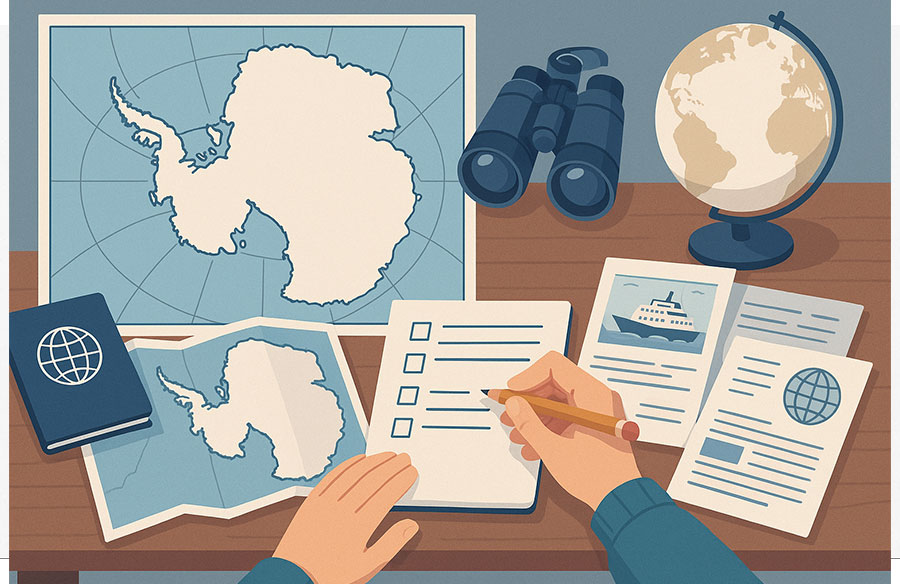
Antarctica represents the ultimate frontier for discerning travelers seeking extraordinary experiences beyond conventional luxury destinations. Far from being an impossible dream reserved for extreme adventurers, modern expedition cruising has transformed access to the White Continent into a sophisticated and achievable journey. When you decide to visit Antarctica, proper planning becomes the foundation for an unforgettable polar adventure that combines comfort with authentic exploration.
The key to successful Antarctica travel lies in understanding that this isn’t a destination you can simply book on a whim. Unlike traditional cruise destinations, Antarctica demands careful preparation, from obtaining necessary permits to selecting the right expedition operator and timing your journey with the polar seasons. However, with expert guidance and proper planning, your Antarctic expedition becomes not just possible, but remarkably accessible for travelers who value both adventure and comfort.
Understanding Antarctica Travel Requirements and Permits
What Permissions Do You Actually Need?
Contrary to popular belief, visiting Antarctica doesn’t require extensive personal paperwork or complex visa applications from individual travelers. The Antarctic Treaty System, established in 1959, governs all activities on the continent, but expedition cruise operators handle the vast majority of regulatory requirements on behalf of their passengers.
Here are the essential requirements every Antarctica traveler should understand:
- Expedition Operator Permits: Your chosen polar cruise operator must hold all necessary permits from relevant authorities, including environmental impact assessments and landing permissions for specific sites.
- Travel Documentation: You’ll need a valid passport and may require an Argentine visa depending on your nationality, as most expeditions depart from Ushuaia or Buenos Aires.
- Comprehensive Travel Insurance: Medical evacuation insurance with polar region coverage and minimum $200,000 USD coverage is mandatory, given Antarctica’s extreme remoteness.
- Health Clearance: While specific vaccinations aren’t required, travelers should be in reasonable physical condition for zodiac boat transfers and shore excursions.
Professional expedition operators like Poseidon Expeditions manage all Antarctic Treaty compliance, environmental protocols, and site-specific permits. This comprehensive service allows travelers to focus on preparing for their adventure rather than navigating complex international regulations. The International Association of Antarctica Tour Operators (IAATO) maintains strict guidelines ensuring all commercial expeditions meet environmental and safety standards.
Expedition Operator Responsibilities
Reputable polar cruise operators assume responsibility for numerous logistical elements that would be impossible for individual travelers to manage independently. These include securing landing permits for specific Antarctic sites, coordinating with international maritime authorities, and ensuring all expedition activities comply with environmental protection protocols.
The operator also handles emergency contingency planning, maintains specialized polar navigation equipment, and provides trained expedition teams with extensive Antarctic experience. This professional infrastructure transforms what could be an overwhelming planning process into a streamlined booking experience.
Choosing Your Antarctica Expedition Experience
Expedition Cruise Options and Itineraries
Antarctica expedition cruising offers several distinct approaches, each designed to accommodate different time constraints, budgets, and adventure preferences. Understanding these options helps you select the experience that best matches your expectations and travel style.
The classic Antarctic Peninsula expeditions represent the most popular choice, typically lasting 10-12 days including Drake Passage crossings. These voyages focus on the most accessible and wildlife-rich regions of Antarctica, featuring daily zodiac landings, penguin colonies, and dramatic ice formations. For travelers seeking maximum time on the continent with minimal sea days, fly-cruise options allow you to bypass the Drake Passage entirely by chartered aircraft.
Extended expeditions venture deeper into Antarctic waters, with some itineraries attempting to cross the Antarctic Circle at 66° South latitude. These longer journeys, typically 14-16 days, offer opportunities to explore more remote regions and experience the continent’s vast wilderness in greater depth.
Compare your expedition options:
- Essential Antarctic Peninsula: 11-12 days, classic Drake Passage crossing, ideal for first-time visitors with moderate time constraints and budgets.
- Fly-Cruise Expeditions: 8-9 days, charter flight over Drake Passage, perfect for travelers prioritizing time efficiency or concerned about rough seas.
- Extended Antarctic Circle: 15-16 days, deeper exploration attempting to cross 66° South, suited for travelers seeking comprehensive Antarctic immersion.
- Ultimate Wildlife Adventure: 21-23 days, includes Falkland Islands and South Georgia, designed for wildlife enthusiasts and photographers wanting the complete sub-Antarctic experience.
Selecting Your Expedition Vessel
Modern expedition ships vary significantly in size, amenities, and expedition capabilities. Smaller vessels carrying 50-120 passengers offer more intimate experiences with frequent landings and personalized attention from expedition teams. Larger ships accommodating 150-200 passengers provide additional amenities while maintaining the authentic expedition atmosphere.
Consider factors like cabin categories, onboard facilities, expedition activities offered, and the expertise of the expedition team when making your selection. Ships specifically designed for polar regions feature ice-strengthened hulls, advanced stabilization systems, and specialized equipment for safe Antarctic operations.
Preparing for Your Antarctic Adventure
Essential Planning Steps and Timeline
Successful Antarctica expedition planning follows a logical timeline that ensures all requirements are met while allowing flexibility for the best available options. Most experienced polar travelers recommend beginning the planning process 12-18 months before your intended departure date.
Your Antarctic expedition preparation timeline:
- 12-18 Months Before: Research expedition options, compare operators, and make initial booking to secure preferred departure date and cabin category.
- 6-9 Months Before: Arrange travel insurance with polar coverage, begin physical conditioning if needed, and book international flights to departure port.
- 3-6 Months Before: Finalize gear purchases or rentals, obtain any required visas, and confirm all documentation requirements with your expedition operator.
- 1-3 Months Before: Complete final preparations, attend any pre-departure briefings, and arrange airport transfers and accommodation in departure city.
The Antarctica Treaty Secretariat provides comprehensive information about environmental protocols and visitor guidelines that all expedition participants must follow. Understanding these guidelines enhances your appreciation for Antarctica’s unique protected status and ensures your visit contributes to ongoing conservation efforts.
Physical preparation, while not requiring extreme fitness levels, should include regular walking and basic cardiovascular conditioning. Most expedition activities involve moderate walking on uneven terrain and getting in and out of zodiac boats, requiring reasonable mobility and balance.
Pre-Departure Logistics
Departure cities like Ushuaia, Argentina, serve as gateways to Antarctica and offer final opportunities to acquire any forgotten equipment or enjoy Argentine culture before your polar adventure begins. Most expedition operators provide detailed packing lists and gear recommendations, with many offering rental options for specialized polar equipment.
Consider arriving at your departure port 2-3 days early to account for potential flight delays and allow time to explore these fascinating South American destinations. Many travelers find that extending their journey to include other South American highlights creates a more comprehensive adventure.