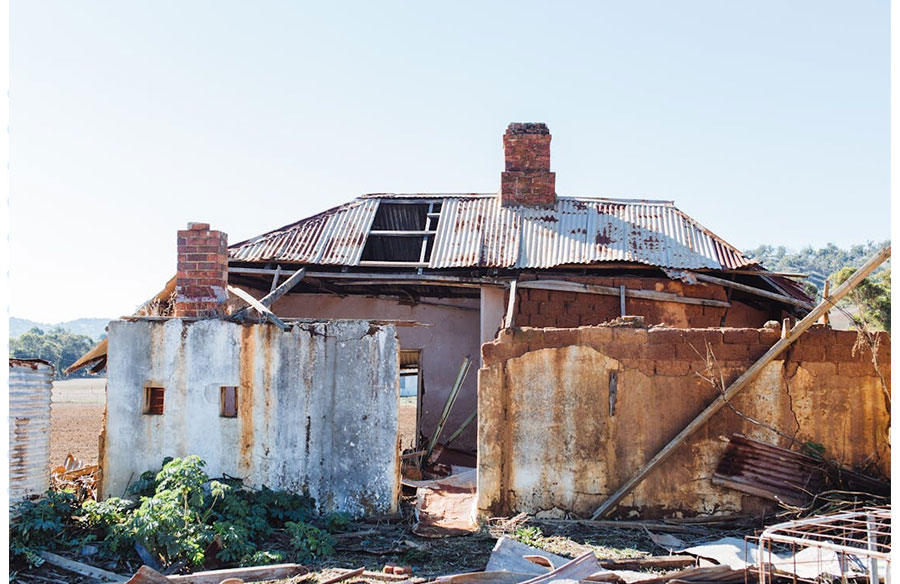
When most people hear the word “demolition,” their mind immediately jumps to wrecking balls and clouds of dust. It sounds chaotic—loud, messy, and brutal. But talk to anyone who’s worked on a demolition site, and you’ll get a completely different picture. Behind the flying debris and falling walls is a process rooted in planning, technical knowledge, and surprising finesse.
Whether it’s clearing the way for a sleek new build or safely removing a structure that’s outlived its purpose, demolition is far more calculated than it appears. Companies like Next Gen Demolition in Brisbane understand that each project isn’t about tearing things down—it’s about starting something new the right way. The first swing of the excavator is often the first step toward progress.
Let’s take a closer look at why demolition is anything but careless destruction—and how it’s becoming one of the most precise parts of the construction process.
It Starts with Strategy, Not Steel-Toed Boots
Before a single wall is touched, demolition teams are buried in blueprints. Every building is different, and understanding how it was built is the first step in taking it apart safely. Teams review structural drawings, assess materials, and identify risks like asbestos, underground utilities, or neighbouring structures that need protecting.
Think of it like reverse engineering. You’re taking something apart without breaking the surrounding puzzle. One misstep could damage another building, disrupt essential services, or put lives at risk. That’s why experienced crews treat the planning stage like sacred ground—it’s where most of the demolition work is quietly done.
Permits, Paperwork, and Protocols
No one hands over a building and says, “Go for it.” Legal and environmental regulations shape every stage of demolition. Before the first piece of equipment is even unloaded, a long checklist must be completed: permits secured, hazardous materials identified and removed, neighbours notified, and safety plans approved.
Depending on the project size, teams may need to comply with local council rules, environmental guidelines, and even heritage protections. This is especially true in densely populated areas like city centres, where demolition affects more than just the worksite.
Getting the paperwork wrong can delay a project by weeks—or shut it down altogether. It’s not glamorous, but it’s one of the things that separates professional demolition teams from the amateurs.
Precision Gear for Precision Work
Demolition equipment isn’t limited to massive bulldozers and swinging wrecking balls anymore. Today’s professionals use a mix of high-tech gear: robotic demolition machines for tight spaces, hydraulic shears for surgical cuts, and concrete crushers that minimise vibration.
This gear allows for selective demolition—a process where only certain parts of a building are removed. Maybe the façade needs to stay intact for design reasons. Maybe it’s about protecting load-bearing beams while clearing out internal sections. In any case, using the right equipment makes all the difference in control, noise, and debris.
And yes, someone’s job is literally to measure how many decibels the machinery makes.
Safety Is Not a Side Note
If construction is dangerous, demolition is its older, slightly rowdier cousin. Except that it doesn’t have to be. Safety protocols have come a long way, and reputable companies treat them as a core part of the job—not an afterthought.
Crews wear specialised PPE, sites are fenced and monitored, and air quality is tested in real time. Structural engineers may remain on site during the tear-down process to spot weaknesses and stop work if conditions change. Regular tool checks, fall protection systems, and emergency response drills are all part of daily operations.
The goal? Everyone goes home in one piece, every day. That’s the real measure of a job well done.
What About the Environment?
One of the biggest myths about demolition is that it’s bad for the planet. In reality, professional demolition services can be surprisingly eco-conscious. Materials like steel, timber, and concrete are often sorted and recycled. Salvageable items—doors, fixtures, bricks—are donated or resold.
Modern demolition crews often have sustainability officers on staff who work with waste management teams to reduce landfill loads and increase recycling rates. Some projects even hit waste diversion rates over 90%, making demolition a crucial step in green construction.
Plus, by safely removing asbestos and other harmful materials, demolition helps make future builds cleaner and safer from the start.
Soft Demolition: The Art of Dismantling
Not all demolition means collapsing buildings into rubble. Soft demolition, also called “strip-out” or “deconstruction,” involves taking apart interior elements while leaving the structure intact. This is common in renovations, adaptive reuse projects, or when historic facades need preserving.
Here, the work is slower and more delicate. Walls are peeled back to expose wiring and plumbing. Floor coverings are removed without damaging subfloors. Even the nails might be pulled by hand if the material is being reused.
Soft demo requires patience, experience, and a steady hand. It’s less showy than explosive takedowns but every bit as skilled.
Teamwork Behind the Scenes
Professional demolition isn’t a one-person show. Behind every project is a team of people working in sync: engineers, machine operators, safety inspectors, environmental consultants, and site managers. Communication is constant. Timelines are tight. And everyone must stay alert.
One delay in removal can mess up the entire construction schedule. That’s why demolition crews often coordinate directly with the builders who follow. Good demolition doesn’t just clear the site—it sets the next team up for success with a clean, level, and stable foundation.
Demolition as Urban Planning’s Silent Partner
Urban planners often talk about sustainability, density, and smart design—but all that requires space to start fresh. This is where demolition plays an underrated role. Whether it’s replacing old infrastructure or redeveloping a tired industrial zone into housing, safe and smart demolition is step one.
In fact, cities that embrace modern demolition methods often find it easier to transition old spaces into new opportunities. Think green housing on former warehouse sites, or community hubs rising from outdated shopping centres.
Done right, demolition supports the future without clinging to the past.
Common Myths That Need to Go
Let’s clear up a few popular misconceptions:
- Myth: Demolition is just smashing things.
- Reality: It’s structured, supervised, and highly regulated.
- Reality: It’s structured, supervised, and highly regulated.
- Myth: Any contractor can handle it.
- Reality: Qualified demolition experts bring training, equipment, and legal knowledge.
- Reality: Qualified demolition experts bring training, equipment, and legal knowledge.
- Myth: It’s bad for the environment.
- Reality: Professionals prioritise recycling, reuse, and containment of hazardous materials.
- Reality: Professionals prioritise recycling, reuse, and containment of hazardous materials.
Breaking down buildings isn’t reckless—it’s responsible. But only when done by the right people.
Why Precision Demolition Matters More Than Ever
As building codes become stricter, urban density rises, and sustainability takes centre stage, demolition can’t be rough-and-ready anymore. It has to be calculated. It has to be respectful of the environment, the community, and the next phase of development.
That’s why property owners, developers, and even architects are paying closer attention to the quality of demolition services. It’s not just about speed—it’s about setting up the next team for success.
 Final Thoughts: A Respect for the Rip-Down
Demolition might never be glamorous, but it deserves respect. The planning. The timing. The sheer amount of coordination it takes to make something disappear safely, legally, and cleanly.
The next time you walk past a cleared site, remember: that blank canvas wasn’t born of chaos—it was carved out with care.
Because sometimes, the smartest builds start with the cleanest breaks.