In the modern world of eCommerce, logistics, and on-demand services, last-mile delivery software has become a critical component for companies striving to meet growing consumer expectations. The final leg of delivery, known as the last mile, refers to the movement of goods from a transportation hub to the end customer’s location. Although this step may seem small, it is often the most complex and expensive part of the delivery process.
Businesses that ignore the optimization of last-mile logistics risk delayed deliveries, increased operational costs, and reduced customer satisfaction. On the other hand, those who implement intelligent, scalable last-mile delivery software gain a competitive edge by offering faster, more efficient, and transparent deliveries.
What is Last Mile Delivery Software?
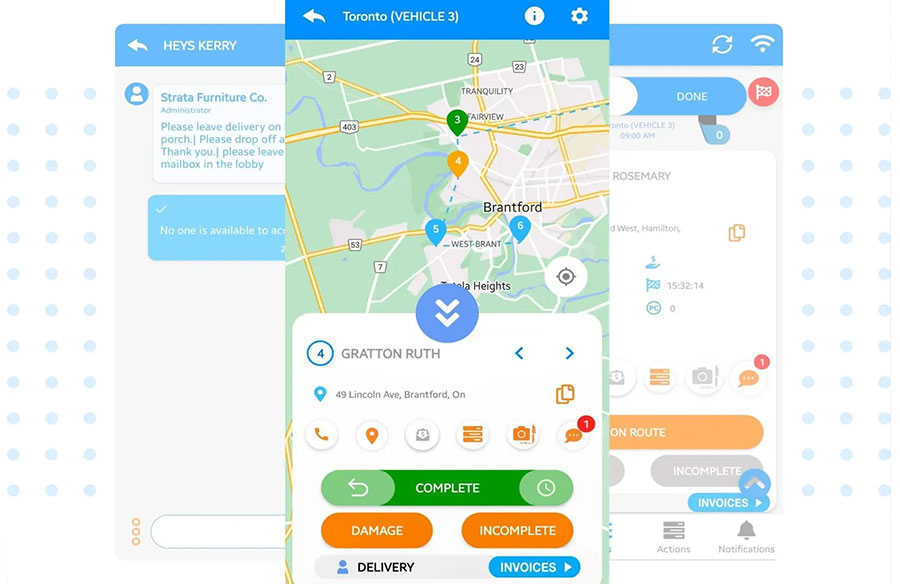
Last mile delivery software is a digital platform that streamlines and automates the processes involved in the final stage of delivery. It helps businesses plan optimal delivery routes, manage drivers, provide real-time tracking, reduce delivery times, and enhance customer communication.
Key functionalities often include:
- Route optimization
- Driver management
- Real-time delivery tracking
- Customer notifications
- Electronic proof of delivery
- Delivery analytics and reporting
With these tools, companies can transform their logistics operations from manual and error-prone to highly automated and efficient.
The Challenges of Last Mile Delivery
Before diving deeper into the benefits of last-mile delivery software, it’s essential to understand the inherent challenges in last-mile logistics:
- High Delivery Costs: The last mile can account for up to 53% of the total shipping cost, making it the most expensive part of the supply chain.
- Traffic and Route Inefficiencies: Without proper planning, drivers may waste time in congested areas or take inefficient routes.
- Failed Deliveries: Missed deliveries due to incorrect addresses, absent recipients, or other issues lead to re-delivery attempts and higher costs.
- Customer Expectations: Today’s customers expect fast, accurate, and trackable deliveries. Failing to meet these expectations can lead to loss of business.
- Lack of Visibility: Manual systems offer limited real-time visibility, making it difficult for logistics teams to respond to issues quickly.
These challenges can significantly impact customer satisfaction and profitability, but they can be effectively addressed with robust last-mile delivery software.
Key Benefits of Implementing Last Mile Delivery Software
1. Optimized Route Planning
One of the primary features of last-mile delivery software is dynamic route optimization. By using real-time data such as traffic patterns, weather conditions, and delivery time windows, the system can calculate the most efficient routes. This not only saves fuel and time but also enables more deliveries per route.
2. Real-Time Driver Tracking
Logistics managers can track each vehicle or delivery person in real time. This visibility allows for better resource allocation, rapid response to issues, and improved transparency. For customers, tracking links and live maps provide peace of mind and reduce inquiries about delivery status.
3. Improved Customer Experience
Today’s customers value communication. With last-mile delivery software, they receive notifications regarding estimated delivery time, driver location, and any delays. They can also provide feedback or reschedule if needed, features that build trust and loyalty.
4. Electronic Proof of Delivery
With digital signatures, time stamps, and photo verification, electronic proof of delivery (ePOD) eliminates disputes and ensures accountability. These records are stored and easily accessible for future reference.
5. Automated Dispatch and Scheduling
Automated dispatching ensures that the right driver is assigned to the right delivery based on factors like location, skillset, or vehicle type. This reduces human error and accelerates the dispatching process.
6. Lower Operational Costs
From reducing fuel usage to minimizing failed deliveries and increasing driver productivity, the software helps lower overall operational costs. In the long run, it’s a cost-effective investment for any logistics operation.
7. Data-Driven Insights
Last mile delivery software offers detailed analytics and reporting. You can measure delivery times, performance metrics, customer satisfaction scores, and more. These insights empower you to continually improve logistics operations.
Use Cases Across Industries
Retail and eCommerce
Online retailers use last-mile delivery software to handle high volumes of daily deliveries. With faster delivery and real-time tracking, retailers can meet customer expectations and compete with major platforms.
Grocery and Food Delivery
Perishable goods require time-sensitive deliveries. The software helps plan optimal routes and ensures orders reach customers quickly and in good condition.
Healthcare and Pharmacy
Hospitals and pharmacies use last-mile solutions for the safe and timely delivery of medicines, lab samples, and equipment. Compliance and traceability are especially important in this sector.
Third-Party Logistics (3PL)
Logistics providers rely on the software to manage multiple clients and deliveries simultaneously. It offers visibility, coordination, and efficiency on a scalable level.
Features to Look for in Last Mile Delivery Software
When choosing a solution, consider the following key features:
- AI-powered route optimization
- Geofencing and delivery time alerts
- Customer communication tools
- Driver behavior monitoring
- Mobile app for drivers
- Integration capabilities with existing ERP or TMS systems
- Compliance and safety checks
Choosing software that aligns with your business size and goals ensures maximum return on investment.
The Future of Last Mile Delivery
The future of last-mile logistics is being shaped by rapid innovation. Emerging technologies like drones, autonomous vehicles, and crowd-sourced delivery networks are making headlines. However, software remains the backbone of last-mile execution.
Machine learning and predictive analytics will play a larger role in understanding demand patterns, optimizing resources, and proactively resolving issues before they affect deliveries.
Additionally, sustainability will be a major focus. Businesses will increasingly turn to green delivery methods and software that reduces carbon emissions through better planning and electric vehicle support.
Conclusion
In an era of instant gratification and digital convenience, businesses can no longer afford inefficient delivery processes. Last mile delivery software, like Cigo Tracker, empowers companies to overcome logistical challenges, reduce costs, and enhance customer satisfaction through real-time visibility, automation, and intelligent optimization. Whether you’re a retail giant, food delivery service, or logistics provider, embracing the right technology for last-mile delivery isn’t just a smart move; it’s a necessary one for staying ahead in a competitive market.