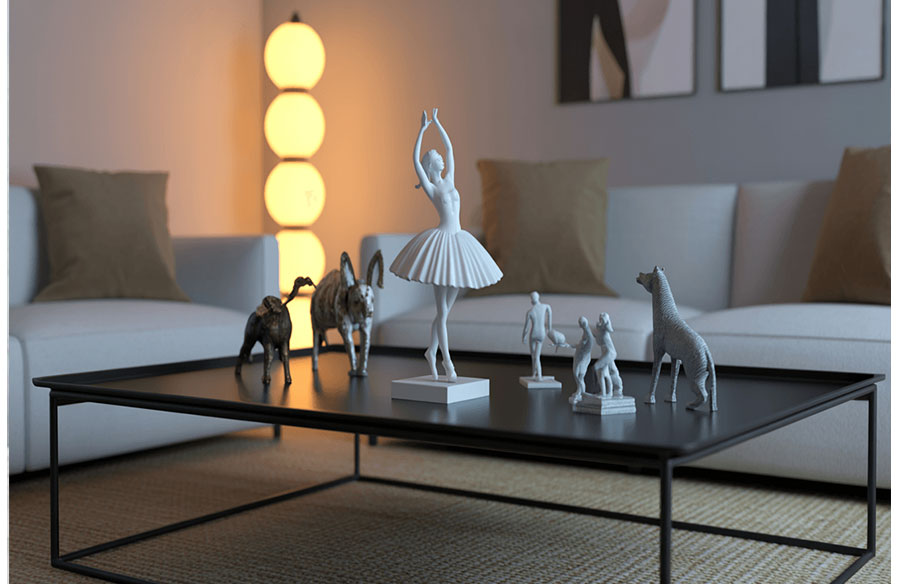
Decorating your living room with figurines can transform an ordinary space into one that reflects your personality, taste, and creativity. Figurines are versatile décor elements that work with almost any interior style, from modern minimalism to vintage charm. They can act as statement pieces, subtle accents, or part of a themed arrangement. With careful selection and placement, figurines can add texture, colour, and storytelling to your living space. As highlighted by Rethinking The Future, they also offer a cost-effective way to refresh the room’s look without major renovations. Even if you are displaying handcrafted animal figurines, elegant ceramic sculptures, or whimsical designs from artisan makers, the key lies in understanding proportion, placement, and balance. In this guide, we will explore detailed strategies on choosing the right figurines, positioning them effectively, creating seasonal displays, combining them with other décor elements, and maintaining them so they always look their best. These insights are based on both interior styling principles and the timeless appeal of decorative figurines in home design.
Introduction: Raise your Living Room decor with Miniature Figurines
Figurines are more than just decorative items; they are miniature works of art that tell stories and evoke emotions. Miniature figurines, such as those from Camp Hollow, can represent cultural heritage, personal memories, or artistic statements. In living rooms, these pieces have the power to break visual monotony and draw attention to specific areas of the room. When chosen thoughtfully, they can reinforce the room’s theme, be it rustic farmhouse, sleek modern, or eclectic bohemian. The beauty of figurines lies in their adaptability: a single well-placed piece can serve as a focal point, while a group can create a visually cohesive display. For example, a porcelain animal figurine can bring a touch of nature indoors, while a brass abstract sculpture can add a sophisticated accent. Available in a variety of materials, including ceramic, resin, glass, and metal, they offer flexibility to suit different lifestyles and maintenance needs. By integrating these figurines into your living room decor, you are not simply filling space, you are curating an atmosphere that reflects both comfort and personal style.
Choosing the Right Figurines
Match the Figurines with Your Interior Style
Selecting figurines that align with your living room’s interior style is essential for visual harmony. Modern interiors benefit from sleek, geometric designs or abstract forms with clean lines and neutral colours. These pieces can enhance a minimalist aesthetic without overwhelming the space. Vintage or traditional interiors pair well with ornate, intricately detailed figurines, such as classical sculptures or antique reproductions. For bohemian or eclectic styles, hand-painted, colourful figurines made from clay or wood can add layers of texture and cultural richness. The key is cohesion; your figurines should echo the tone, colour palette, and materials of the room. For instance, a rustic wooden coffee table may be complemented by carved wooden animal figurines, while a glass-top table may look best with crystal or glass sculptures. When figurines resonate with the interior theme, they become integral to the design rather than appearing as random additions.
Size and Proportion
Proportion is critical when integrating figurines into living room decor. Large figurines can serve as anchor points or focal pieces, particularly in spacious rooms with open layouts. For example, a tall, slender sculpture placed beside a reading chair can draw the eye and enhance the vertical dimension of the space. Smaller figurines, on the other hand, are ideal for shelves, side tables, and grouped displays. To achieve balance, consider the surrounding furniture and decor; placing a tiny figurine on a large, empty surface can make it appear lost, while overcrowding a small shelf with oversized pieces can cause visual clutter. A helpful guideline is the “rule of thirds” for display groupings: arrange figurines in sets of three, varying height and size to create depth. This principle also applies to mixed arrangements, where one large figurine is paired with two smaller ones to maintain visual continuity.
Material and Finish
The material and finish of figurines not only affect their appearance but also their durability and maintenance requirements. Ceramic figurines are timeless and often feature fine detailing, but they can be fragile. Resin figurines offer durability and versatility in design, making them suitable for homes with children or pets. Wooden figurines provide warmth and a natural aesthetic, while glass and crystal figurines add elegance and light reflection to the room. Metal figurines, such as bronze or brass, introduce a sense of permanence and luxury. The finish, matte, glossy, textured, or metallic, also influences how the figurine interacts with light and nearby surfaces. For example, a glossy white ceramic cat figurine can stand out against a matte dark shelf, while a brushed bronze statue may blend harmoniously with earthy, neutral surroundings. Choosing materials that complement your lifestyle ensures that your figurines remain attractive and easy to maintain.
Placement Strategies for Living Rooms
Display on Shelves and Cabinets
Shelves and cabinets are natural stages for figurines, offering both visibility and protection. When arranging figurines on shelves, consider layering depth: place taller pieces at the back and smaller ones toward the front. Group figurines in odd numbers, three or five, to create a dynamic yet balanced look. Mixing materials, such as pairing a glass bird with a wooden elephant, adds interest while maintaining cohesion through colour or theme. For open cabinets or bookcases, figurines can be interspersed between books and framed photographs, making them part of a larger display narrative. Ensure that lighting highlights these pieces; even small LED spotlights can dramatically enhance their appearance.
Coffee Table Styling
Coffee tables offer a central platform for figurines to become conversation starters. A decorative tray can help anchor a small collection, preventing it from appearing scattered. Pair figurines with other objects, such as candles, coasters, or stacked books, to create layered vignettes. The arrangement should remain functional, leaving space for daily use of the table. For example, placing a ceramic fox figurine beside a potted succulent and a hardcover design book creates a balanced, inviting centrepiece.
Mantelpiece and Console Tables
Mantelpieces naturally draw attention, making them ideal for figurine displays. Symmetrical arrangements, such as matching candlestick figurines on either end, create a formal look, while asymmetrical arrangements feel more casual and contemporary. Console tables in entryways or behind sofas can also host figurines, especially when combined with mirrors or artwork above them to frame the display.
Window Sills and Corners
Window sills offer natural light, which can highlight figurine details, especially for glass, crystal, or light-coloured ceramic pieces. Ensure that direct sunlight will not fade painted surfaces over time. Corners, often overlooked in decor planning, can be revitalised with a pedestal or small table holding a single, striking figurine. This technique works well in rooms where floor space is otherwise unused.
Thematic and Seasonal Displays
Nature-Inspired Arrangements
Nature-inspired figurines can create a calming and organic feel in a living room. Birds, flowers, and animal-themed sculptures often work well with both traditional and contemporary interiors. They can be positioned alongside natural materials, such as wooden shelves or rattan baskets, to strengthen the connection with the outdoors. For example, ceramic bird figurines placed near indoor plants create a serene, garden-like atmosphere inside the home. In rooms with neutral walls, nature-themed figurines can introduce subtle colour without overwhelming the palette. For coastal or countryside homes, seashell or deer figurines can tie the decor to the environment outside, making the space feel more harmonious.
Festive and Cultural Themes
Seasonal and cultural displays allow you to refresh your decor throughout the year. Figurines related to Christmas, Diwali, Lunar New Year, or Easter can be rotated in to reflect the season’s mood. This not only keeps the living room visually engaging but also adds a layer of personal and cultural significance. For example, porcelain angels can enhance a festive Christmas arrangement, while brass oil lamp figurines can be used during Diwali celebrations. Rotating figurines seasonally also means the same space can tell different visual stories, keeping the decor from becoming static.
Storytelling through Figurines
Every figurine can carry meaning, from a souvenir collected during travel to a handcrafted piece gifted by a friend. Arranging them in a way that tells a story adds emotional depth to the decor. For example, grouping figurines that represent different countries visited can form a travel-themed display. Similarly, family heirloom figurines can be positioned alongside photographs to create a narrative corner that blends history with artistry. Storytelling through figurines not only enhances aesthetics but also makes your living room unique and personal.
Combining Figurines with Other Decor Elements
Figurines and Artwork
Placing figurines in proximity to wall art or framed prints creates a layered visual effect. For example, a small bronze sculpture placed beneath an abstract painting can create a dialogue between the two pieces. The figurine adds dimension, while the artwork provides context and background. The colour and style of the figurine should complement the art to maintain visual cohesion. This combination works especially well on mantels, console tables, or shelving units where vertical and horizontal decor elements can interact.
Pairing with Plants
The combination of figurines and plants adds vitality and contrast to a space. Figurines provide structure and permanence, while plants bring movement and life. For example, a ceramic rabbit figurine nestled beside a potted fern creates a whimsical yet balanced vignette. This pairing also works on window sills, where natural light benefits the plants while illuminating the figurines. For low-maintenance options, dried flowers or artificial plants can still provide the same visual impact without the upkeep.
Layering with Textiles
Textiles such as table runners, mats, or fabric backdrops can enhance the display of figurines. Placing a figurine on a patterned runner adds depth and texture, preventing it from blending into the background. For example, a wooden elephant figurine displayed on an embroidered cloth not only highlights the craftsmanship of the figurine but also introduces a tactile element to the arrangement. Textiles can also help protect surfaces from scratches or damage caused by heavier figurines.
Maintenance and Care Tips
Regular care is essential for keeping figurines looking their best. Dusting should be done weekly using a soft, dry cloth or a small paintbrush for intricate designs. Avoid using harsh cleaning agents, especially on painted or glazed surfaces, as these can strip away finishes. Glass and crystal figurines can be gently cleaned with a mild glass cleaner, while wooden pieces may benefit from occasional polishing with a suitable wood conditioner. Seasonal figurines should be stored in padded boxes when not in use to prevent chipping or scratches. For figurines displayed in areas with direct sunlight, consider repositioning them occasionally to prevent fading. Proper care not only maintains their appearance but also extends their lifespan, ensuring they remain cherished elements of your home decor for years.
Common Mistakes to Avoid
One of the most common mistakes is overcrowding surfaces with too many figurines. This can make the space feel cluttered and reduce the impact of each piece. Instead, focus on quality over quantity, giving each figurine enough space to stand out. Another mistake is ignoring proportion; placing a very small figurine in the centre of a large coffee table can make it appear insignificant, while an oversized figurine on a narrow shelf can look awkward and unstable. Poor lighting is also a frequent oversight; figurines benefit from being placed in well-lit areas or under spotlights to highlight their details. Lastly, mixing too many unrelated themes in a single display can create visual confusion. Aim for cohesion by sticking to a common theme, colour palette, or material group in each arrangement.
Conclusion: Personalizing Your Living Room with Miniature Figurines
Decorating a living room with figurines is both an art and a personal expression. By selecting pieces that align with your interior style, paying attention to size and proportion, and using thoughtful placement strategies, you can create displays that are both beautiful and meaningful. Incorporating themes, pairing figurines with plants or artwork, and caring for them properly ensures that they remain striking features of your home for years to come. Figurines are not just ornaments, they are small-scale reflections of your style, values, and experiences. If you are looking to start or expand your collection, explore handcrafted designs from artisans and specialised makers, where each figurine carries its own charm and story.