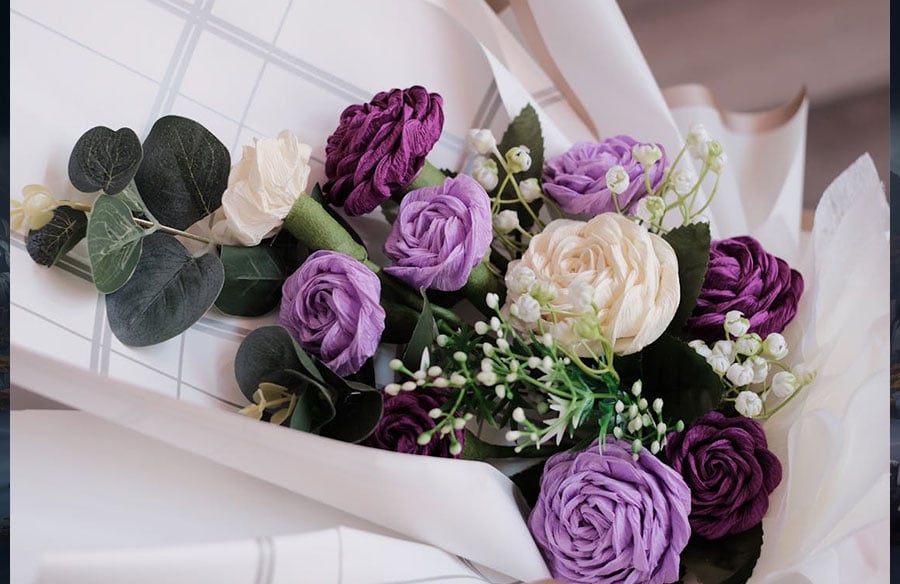
There’s a certain alchemy that happens when you walk into a well-staged space. It’s not just the lighting or the colour palette—it’s the little touches that make a room feel less like a showroom and more like a lifestyle. One of those subtle but powerful touches? Flowers. Specifically, faux ones. Yes, you read that right.
Top stagers, decorators, and even stylists for photo shoots are increasingly turning to fake flowers as their secret weapon. Not because they can’t access the real thing, but because artificial blooms have grown up. Today’s faux florals are stylish, realistic, and designed to perform—without any of the fuss real flowers demand.
Let’s break down why these blooms are staging gold and how they’re transforming the way we think about design accents.
The Visual Psychology of Flowers in a Room
First impressions matter, and flowers make them sweeter. Science backs it up—florals evoke warmth, care, and an immediate sense of comfort. Buyers often don’t notice the flowers themselves, but they feel the effect. Rooms with thoughtful floral styling tend to be perceived as fresher, more inviting, and more “lived in” in the best possible way.
Faux flowers tap into that same response. Done right, they offer the soft texture and gentle colour contrast that our brains associate with life and vitality. But unlike real blooms, they stay perfect from open house to closing day.
Consistency Is Key: Why Pros Choose Faux
Real flowers are gorgeous—but also temperamental. They wilt, shed, and brown at the edges when you need them to hold up under heat, light, and time. For designers staging homes that may sit on the market for weeks or months, that’s a risk they just don’t have time for.
Faux flowers offer one huge perk: control.
They let designers control the exact colour scheme, shape, and vibe of a room—without worrying that a lily might droop by the time photos are taken. Whether it’s a delicate blush peony or a moody eucalyptus spray, it looks the same from day one to day thirty.
Room-by-Room Styling with Faux Florals
Let’s be real—no one’s putting a full bouquet in every corner of a home. But when used with intention, fake flowers can give each room a polished edge without stealing the spotlight.
Living Room: Coffee Table Focal Point
A low arrangement with full, realistic blooms (think garden roses or dahlias) adds depth and texture. Pair it with a stack of design books or a candle and you’ve got a Pinterest-worthy vignette.
Kitchen: Clean and Crisp
Instead of crowding countertops, opt for a small glass vessel with a single sprig of white orchid or cherry blossom. It’s subtle, but it signals care.
Dining Area: Elevated Neutrality
A long faux floral runner or mixed greenery centrepiece creates symmetry. This is especially helpful in open-plan homes where flow and cohesion matter.
Bathroom: Spa Vibes Activated
Tiny bud vases with faux lavender or eucalyptus bring the spa feel without any risk of mildew or maintenance.
Bedroom: Softness Without Fuss
Use arrangements with muted tones—soft pink, dusty blue, or cream—to create a restful, romantic feel without competing with linens or lighting.
Faux Is No Longer a Dirty Word
There used to be a stigma. People would walk into a space and wrinkle their noses at plastic tulips that looked more like toys than plants. But let’s be clear—that’s not what designers are working with today.
Modern faux florals use advanced materials like silk blends, latex coatings, and high-grade plastic moulds that mimic the texture, bend, and even petal veining of real flowers. Some high-end pieces even have a slight fray at the edges—on purpose—to better simulate the way real petals age.
The result? Most people can’t tell the difference unless they touch them.
A Cost-Effective Strategy for Long-Term Staging
Let’s talk numbers. Real flowers cost money. Weekly replacements for a staged home can add up fast—especially if you’re using statement blooms or tropical stems. Faux florals? A one-time investment. Once purchased, they can be reused across listings, photo shoots, or even gifted to clients as part of a move-in package.
For agencies managing multiple listings or stylists working with tight margins, this adds up to serious savings.
Seasonal Looks Without the Seasonal Stress
Switching up florals with the seasons is one of the oldest tricks in the book. It shows buyers the home is loved and lived in, even when it’s just staged.
But working with seasonal flowers means dealing with… well, the season. No one wants to hunt down fresh magnolia in mid-July or force tulip bulbs into blooming for an early shoot. Faux options solve that instantly.
You can create spring, summer, fall, or holiday-themed arrangements without the hunt—or the high cost of out-of-season blooms.
Ideal for Allergen-Free Styling
Another subtle but important reason designers love faux? Allergies. You never know who’s walking through a staged home or scrolling through the photos online. Real flowers can trigger sneezing, itching, or other discomfort.
With artificial florals, the risk drops to zero. The space looks fresh and inviting, but nobody’s leaving with watery eyes.
Photography-Ready, Every Time
Staging isn’t just for in-person tours anymore. These days, the photos of a home often do the selling before a buyer even books a viewing. That means the accessories you use need to look flawless under camera lenses.
Real flowers can look washed out, dull, or off-balance in photos—especially if they’ve been sitting under lighting rigs or direct sun. Faux flowers photograph beautifully. Their colour stays bold. Their shape stays structured. And you don’t have to cross your fingers that the petals haven’t drooped overnight.
Tips for Using Faux Florals Like a Pro
Want to use fake flowers without making them obvious? Here are a few go-to tricks from stylists who swear by them:
- Keep it low-key: Skip the overstuffed bouquet. Simple, single-type arrangements feel modern and intentional.
- Trim the stems: Most faux florals come with long, bendable stems. Trim or bend to suit the vase size—nothing screams fake like an awkward, too-tall branch.
- Dust them weekly: A soft brush or dry cloth works wonders. Keep them looking photo-fresh.
- Mix textures: Combine faux flowers with real-looking faux greenery. A bit of contrast creates dimension and realism.
- Avoid symmetrical arrangements: Real flowers are never perfectly even. A touch of asymmetry makes things look more organic.
A Secret Weapon in the Designer’s Toolkit
Faux flowers aren’t just a convenience—they’re a creative tool. They let you build a consistent mood across multiple spaces, test bolder colours without risk, and polish rooms that might otherwise feel flat.
They also travel well, store easily, and hold up to everything from humidity to sunlight. In short, they’re a low-lift, high-reward element in the design process—and they’ve earned their place in even the most refined staging plans.
 Final Thoughts: Soft but Strategic
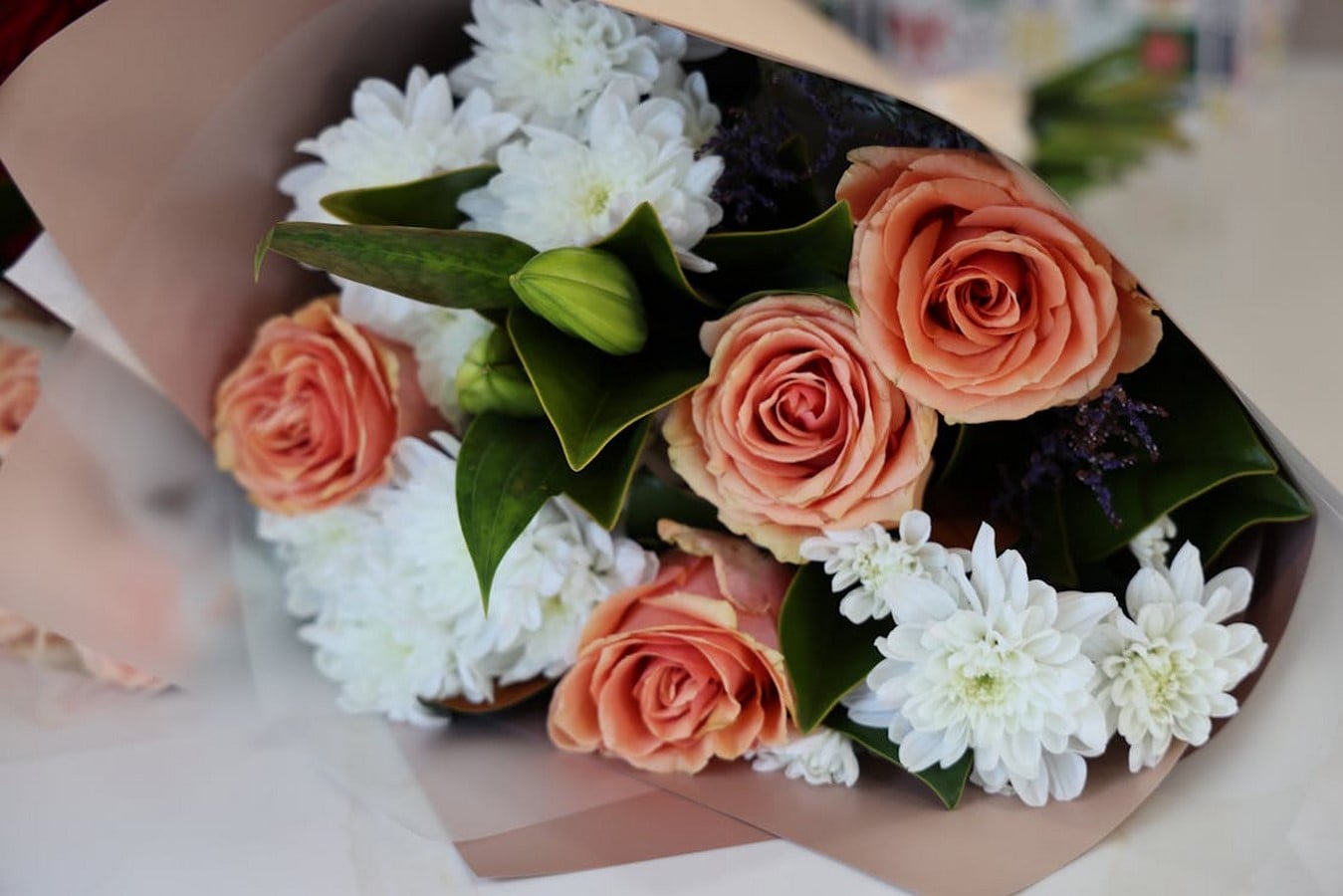
Great home staging isn’t about tricking anyone. It’s about showing what’s possible. Faux florals help create a world that feels warm, intentional, and move-in ready—without stealing focus or causing logistical headaches.
And when you find a brand that gets the details right, from petal texture to stem shape, you don’t have to settle. You get the softness you want with the reliability you need. It’s no wonder more designers are making the switch—and not looking back.