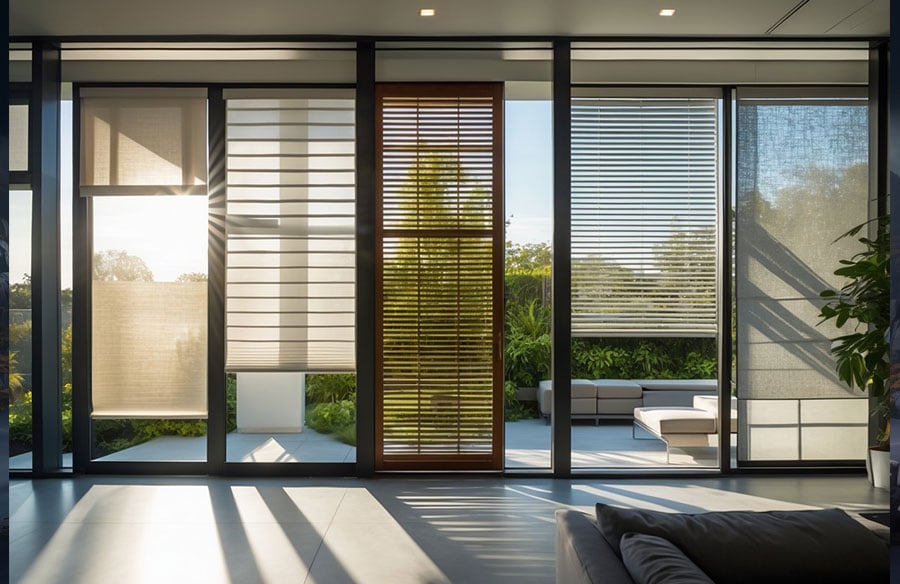
Window treatments are more than decorative; they shape how light moves, how private a space feels, and how energy flows. For architects, they’re essential tools in balancing form and function.
From motorized blinds to layered textures, thoughtful choices can elevate both comfort and visual impact. The right treatment supports the design without distracting from it.
For tailored solutions that match your project’s needs, shop custom blinds built with quality, flexibility, and style in mind. Discover materials and finishes that work seamlessly with modern architectural goals.
1) Dynamic Sun Control
We often look to dynamic window treatments to handle shifting light and heat. Adjustable screens, blinds, or motorized shades let us respond to the sun’s path throughout the day. This helps keep spaces comfortable and reduces glare at different times.
Materials play a big part in this strategy. We select fabrics or films that filter sunlight, protecting interiors from harmful UV rays. Some treatments are automated, using sensors to move when light changes, saving energy and making day-to-day adjustments easier.
With dynamic sun control, natural light is maximized without sacrificing privacy or energy efficiency. We can tailor daylight in communal spaces, offices, or homes to suit users’ needs. This approach supports both comfort and sustainability.
2) Layered Aesthetic
We often use layered window treatments to add depth to a space. By combining elements like sheer curtains with thicker drapes, we can control both light and privacy.
Layering lets us play with texture and colour. Sheers give a room softness, while heavier fabrics can introduce rich tones or bold patterns.
This approach also creates flexibility. In the day, we can let in lots of natural light using sheer layers. At night, closing the heavier treatments adds warmth and comfort.
We find that mixing materials—such as linen, cotton, and metal hardware—brings out different qualities in each room. These options help us tailor the mood and function specifically to the needs of the people who use the space.
Layered window treatments are a simple way to enhance visual interest and make a room feel finished without major renovations or permanent changes.
3) Privacy Without Sacrificing Views
We know many clients want privacy, but they don’t want to give up natural light or views. Architects often use sheer curtains or light-filtering blinds that let daylight in while keeping living spaces shielded from outside eyes.
We also see smart glass as a solution. With a flip of a switch, it changes from clear to frosted, offering privacy when needed without blocking the scenery.
Layering treatments is another technique. For example, we might combine translucent shades with heavier drapes. That way, we can adjust for privacy, sunlight, or an open view, depending on the time of day.
Some designs use strategically placed screens or plantings just outside windows. These choices maintain privacy and preserve the visual connection to the outdoors. This balance matters in urban and rural settings alike, letting us enjoy our surroundings while feeling secure.
4) Energy-Efficient Design
We often rely on window treatments to help control how much sunlight enters a space. By choosing the right curtains, blinds, or shades, we can reduce heat gain during the summer and keep warmth inside during the winter.
Some treatments use special fabrics or coatings to boost insulation. Blackout curtains and cellular shades are common choices for their energy-saving features.
In larger projects, we may design automated blinds that adjust themselves based on sunlight levels throughout the day. This approach allows us to use less energy for heating and cooling without sacrificing comfort.
We also consider the placement and size of windows when selecting treatments. Using a thoughtful mix of materials and smart systems, we support sustainable goals and improve indoor comfort.
5) Statement-Making Patterns
We see how patterns on window treatments can transform a space and influence its atmosphere. Large geometric prints, bold stripes, or custom motifs add visual excitement to a room.
When architects select patterned curtains or blinds, they often aim to highlight other elements or tie together a room’s colour scheme. These patterns act as a focal point, drawing our attention to the windows themselves.
We notice that patterned window coverings can break up monotony in minimalist interiors. They provide a layer of interest without overwhelming the space.
Sometimes, we opt for local or custom-made patterns, supporting regional textiles and traditional crafts. This connects our designs to the cultural fabric of a place.
Patterns can also help manage the feel of light in a room. Sheer fabrics with prints soften daylight, while opaque patterns can offer strong contrast. This approach makes window treatments both functional and decorative.
6) Seamless Indoor-Outdoor Transition
We often use window treatments to blur the line between inside and outside spaces. When we select large sliding or folding glass doors and pair them with matching drapery or blinds, the two spaces can flow together. This makes it easier for people to move and enjoy both areas as one.
Our choice of materials matters in this design. Light fabrics and natural textures, like linen or bamboo, help the transition feel calm and connected to nature. Using similar colours outside and in also keeps the look unified.
Motorized shades are useful for these transitions. We can open or close them with the push of a button, making the space flexible for light and privacy. By coordinating the window coverings on both sides, we maintain a balanced look throughout the entire area.
This approach supports modern lifestyles, where living often extends beyond four walls. It gives us more ways to use and appreciate outdoor areas, even from inside.
7) Flexible Open-Plan Zoning
We often use window treatments to create flexible spaces within open-plan layouts. Movable curtains, sliding panels, or sheer drapes help us divide rooms without building permanent walls. This approach allows spaces to change easily for different needs, like separating work from living areas or providing privacy when needed.
Window treatments serve both functional and design purposes in these layouts. We can soften hard edges and add texture, while also controlling light and sightlines. Translucent materials keep areas feeling connected and bright, even when divided.
By selecting treatments with different opacity and movement, we can give users a sense of control over their space. Adjustable elements foster collaboration and privacy as required, supporting comfort and adaptability in evolving environments. Window treatments become a key tool for flexible zoning in modern projects.
Frequently Asked Questions
We often explore new ways to manage sunlight, save energy, and make distinct style statements with window treatments. Designs now focus on merging sustainability with bold aesthetics, using eco-friendly materials that suit both modern and classic spaces.
What are the latest trends in sustainable window treatments for modern architecture?
Sustainable window treatments use recycled fabrics, natural fibres, and solar-reflective coatings. We see motorized blinds powered by solar panels and smart glass solutions that cut energy use.
Green-certified roller shades, bamboo woven woods, and linen drapes treated with non-toxic dyes are in high demand. These not only help manage heat but also add a clean, modern look.
How can I create DIY window coverings that complement a transom window’s unique shape?
We can use light-filtering films or custom-cut rice paper to fit unusual angles and arches. Stencil patterns also help mimic etched glass without blocking natural light.
Magnetic or tension rod systems work well for fabric panels on transom windows, allowing us to change the coverings without permanent fixtures or damage.
In what ways can architects incorporate window treatments to enhance bedroom aesthetics?
Architects use layered window treatments, such as pairing sheer panels with blackout blinds, to offer both flexibility and privacy for bedrooms. Patterns or textured fabrics are chosen to work with a room’s decor.
Soft roman shades, floor-length drapes, and recessed track systems can add a tailored, restful look. These options may contribute to a peaceful environment without feeling heavy or overdone.
What innovative ideas are there for dressing windows without using curtains?
Architects now use frosted films, laser-cut screens, and movable louvres for privacy and light control instead of standard curtains. Adjustable wooden slats or shoji screens are also popular for a minimal look.
We sometimes install kinetic sunshades or integrated glass panels that shift opacity with the touch of a button. These offer flexibility while keeping a sleek appearance.
How can natural light be managed effectively through creative window treatment designs?
Dynamic sun control systems use sensors and automated shades to adjust glare and heat throughout the day. We often layer treatments—combining sheer and opaque panels—to fine-tune amounts of daylight in a space.
Angled blinds, cellular shades, and reflective films help direct light deeper into room interiors. These approaches can boost comfort and energy efficiency.