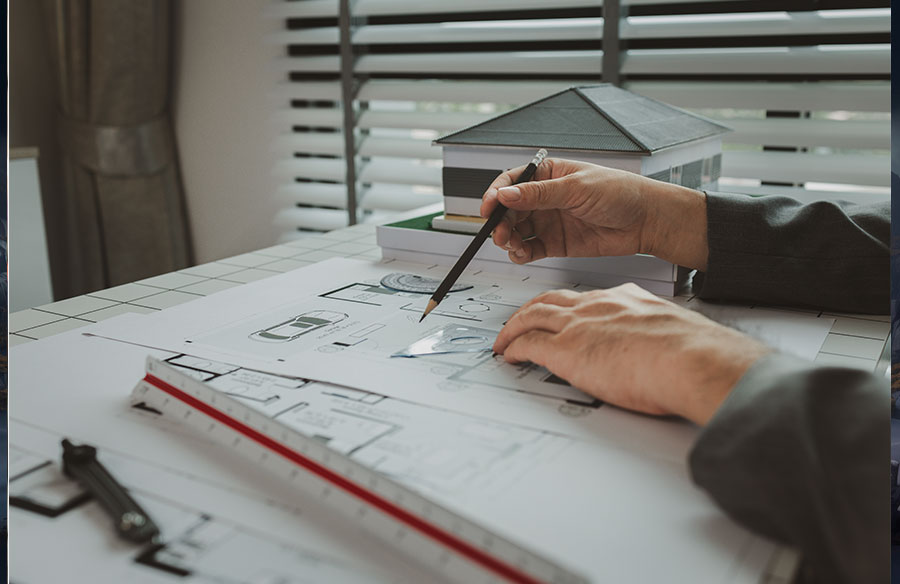
Architectural planning plays a pivotal role in determining not only how a home looks and feels but also how much it is worth in the property market. Homebuyers today are increasingly valuing homes that reflect thoughtful design, spatial efficiency, sustainability, and long-term livability. In the United Kingdom’s dynamic property market, a well-designed home can command a significantly higher price point and sell faster compared to poorly planned properties. This article by re-thinking The Future explores how good architectural planning contributes to increased home value, the specific design elements that appeal to modern buyers, and expert tips for homeowners planning to invest in design upgrades.
Introduction: The Role of Architectural Design in Property Valuation
Architectural design is no longer merely about aesthetics; it is now a key determinant of property value. Estate agents and property investors recognise that homes with intelligent design fetch higher prices due to better functionality, efficiency, and visual appeal. A study by the Royal Institution of Chartered Surveyors (RICS) found that well-designed properties can increase in value by 5–10% compared to similar homes lacking thoughtful planning. Buyers often associate quality design with better craftsmanship, durability, and lifestyle enhancement, all of which contribute to the perceived and actual value of a property. In high-demand areas such as London, Manchester, and Birmingham, design-led renovations, such as those undertaken by dRAW Architecture, a leading firm of architects London, have been shown to yield returns well above market averages.
How Quality Design Enhances Curb Appeal and Buyer Perception
Curb appeal, the visual attractiveness of a property from the street, is a key factor influencing a buyer’s first impression. Good architectural planning ensures that exterior elements such as rooflines, windows, doors, and materials are harmoniously designed to present a cohesive and inviting façade. Landscaping and hardscaping further contribute to this appeal, integrating the house seamlessly into its surroundings.
In real estate, first impressions matter. A study by Zillow revealed that homes with strong curb appeal can sell for 7% more on average than similar homes with an uninviting exterior. Features such as symmetrical design, high-quality cladding, energy-efficient windows, and well-maintained entryways instantly communicate quality. Furthermore, a well-designed front elevation that aligns with the character of the neighbourhood enhances both individual property value and overall street desirability, which benefits all residents in the area.
Maximising Usable Space Through Smart Layout and Planning
Effective architectural planning focuses on maximising usable space through intuitive layouts and optimised room functions. Open floor plans, for example, create a sense of spaciousness and allow for flexible living arrangements. Smart planning ensures that no space is wasted and that every room serves a functional purpose.
Well-planned interiors can improve the flow of natural light and air, reduce heating and cooling costs, and enhance the home’s comfort level. Spatial efficiency is particularly valuable in urban environments where square footage is at a premium. A home with well-utilised space can feel larger and more comfortable than a larger but poorly designed home. Features like built-in storage, multi-functional rooms, and seamless indoor-outdoor transitions can significantly enhance property value.
| Feature | Impact on Home Value |
| Open Plan Layout | +5% value increase |
| Built-in Storage | Improved space utility |
| Functional Flow | Enhanced buyer interest |
| Adaptable Rooms | Long-term flexibility |
Energy-Efficient and Sustainable Design for Long-Term Value
Sustainability is now a key concern for homeowners and buyers alike. Energy-efficient homes not only reduce utility bills but also offer long-term environmental benefits. In the UK, homes with an Energy Performance Certificate (EPC) rating of A or B can command significantly higher prices compared to those with lower ratings.
Architectural planning that incorporates sustainable features such as high-performance insulation, double-glazed windows, passive solar design, and renewable energy systems (e.g., solar panels) adds both functional and financial value. According to the UK Green Building Council, sustainable homes can see a value uplift of up to 10% due to lower running costs and future-proof design. Buyers are increasingly looking for eco-friendly homes, and government incentives further promote energy-efficient renovations.
Premium Features That Add Market Value
When it comes to increasing a home’s market value, certain premium features consistently stand out to buyers and investors. High-spec kitchens and bathrooms, with quality materials like marble worktops or bespoke cabinetry, can significantly influence a property’s appeal. Similarly, design elements that enhance natural light, such as large glazed doors or skylights, create a sense of openness and modernity that many buyers seek. Outdoor living spaces, including landscaped gardens, built-in BBQ areas, and patios, add usable square footage and encourage year-round entertaining. Additionally, wellness-focused amenities like home spas, saunas, or indoor pools offer a sense of luxury and elevate a home well above average market offerings. Lastly, integrated smart home technology and energy-efficient systems are increasingly seen as must-haves, not just bonuses, adding both practicality and long-term value. Together, these features contribute to a home’s desirability and competitive edge in the property market.
Kitchen and Bathroom Design Upgrades
Kitchens and bathrooms are among the most scrutinised areas of any home. High-quality finishes, ergonomic layouts, and modern appliances in these rooms are often decisive in buyers’ purchasing decisions. According to HomeOwners Alliance UK, kitchen renovations offer a return on investment of up to 60%.
Natural Light and Ventilation Optimisation
Homes designed to maximise natural light through strategically placed windows, skylights, and open spaces feel more spacious and inviting. Good ventilation, achieved through cross-breezes and vent systems, enhances indoor air quality and comfort.
Outdoor Living Spaces (e.g., patios, decks, gardens)
Outdoor areas designed for relaxation and entertainment are highly valued, especially post-pandemic. Features such as patios, gardens, and terraces can add 5–8% to a home’s market value.
Smart Home Technology Integration
Smart lighting, heating controls, security systems, and integrated appliances add a modern touch and future-proof the home. Many buyers expect such features as standard in high-value properties.
Case Study: How Professional Planning Elevated a Home’s Value
A recent project by dRAW Architecture in Clapham Common, London, showcases how expert architectural planning can transform a traditional property into a luxurious, high-value residence. The home underwent a comprehensive renovation, including a bold black timber-clad extension that contrasts with the original brick façade, giving the property a striking contemporary identity. Inside, a dramatic helical staircase, custom-designed and illuminated with integrated lighting, acts as a sculptural centrepiece across all levels.
The ground floor was reconfigured into a spacious open-plan living area with minimalist glazing, a refined kitchen, and seamless access to a landscaped garden through oversized sliding doors. Wellness features such as an indoor pool, timber sauna, and outdoor entertaining area further enhanced the home’s appeal. This careful planning and attention to detail significantly increased both the home’s market value and desirability, proving that thoughtful design elevates not only form and function but also long-term investment potential.
Expert Tips for Homeowners: Planning for Maximum ROI
- Hire a Licensed Architect: Professional designers bring expertise that ensures compliance with building regulations, maximises space, and enhances aesthetics.
- Set a Realistic Budget: Allocate funds for design, construction, and contingencies. Good design doesn’t have to be expensive if planned efficiently.
- Prioritise Value-Adding Features: Focus on high-ROI areas such as kitchens, energy efficiency, and space optimisation.
- Plan for the Long Term: Design with future needs in mind, aging in place, family growth, or resale potential.
A 2023 report by the Federation of Master Builders (FMB) noted that homeowners who invested in design-led extensions and renovations experienced greater satisfaction and increased property valuations.
Suggestions: Good Design is an Investment, Not a Cost
Architectural planning is one of the smartest investments a homeowner can make. It enhances not only how a home looks and functions but also how it performs in the market. By focusing on quality design, energy efficiency, and smart use of space, homeowners can enjoy better living standards today and higher resale values tomorrow. Whether you’re planning a full renovation or minor upgrades, engaging with experienced architects and designers can deliver lasting value and a strong return on investment.