When a building’s roof fails without warning — from extreme weather, fire, impact, or structural fatigue — the clock starts ticking. Within hours, a compromised roof can trigger cascading failures across the entire structure. Water intrusion, material collapse, and occupant safety all become immediate concerns. In these moments, architecture shifts from theory to urgent action.
Building owners often find themselves scrambling for solutions. Many immediately search for emergency roof repair NJ, seeking professionals who can respond fast, stabilize the damage, and prevent further deterioration. What’s critical here isn’t just speed — it’s coordinated architectural intervention that understands the building’s systems, its design intent, and the long-term implications of quick fixes.
Over time, emergency roof stabilization has evolved into its own niche within architectural and engineering practice. It draws on principles from disaster response, forensic architecture, material science, and construction logistics. The goal isn’t just to patch — it’s to preserve the integrity of the building while buying time for a more permanent solution. This requires a specialized toolkit of both technology and method.
Understanding Time-Sensitive Structural Response
The first 24 to 72 hours after roof failure are the most consequential. During this window, structural movement, moisture ingress, and material fatigue can accelerate exponentially. Rapid response teams need to assess the extent of damage, calculate immediate risks, and stabilize without overloading stressed components. Architecture in this phase becomes surgical — every decision must balance speed with structural logic.
Temporary measures — if not engineered carefully — can cause more harm than good. That’s why time-sensitive roof stabilization must follow a framework that includes forensic assessment, risk triage, and adaptive staging. Architects involved in this process often act as integrators between emergency contractors, engineers, and regulatory bodies.
Advanced Materials in Emergency Roof Stabilization
Material selection is often the difference between failure and functional recovery. The right emergency materials must be durable, fast to deploy, and responsive to variable site conditions.
High-Performance Temporary Membrane Systems
Modern membrane systems — often used in disaster relief shelters — now serve a critical role in roofing emergencies. These membranes are lightweight, UV-resistant, and designed to hold structural tension across large spans. They allow airflow while protecting against precipitation, buying time for more permanent reconstruction.
Heat-Shrink Emergency Roofing Solutions
Heat-shrink roofing systems use polyethylene films or polymerized sheeting that tighten under heat, forming a sealed layer over the damaged surface. These are particularly useful for irregular roof geometries and areas where fastening is risky or impossible. Installation requires minimal tooling but provides excellent wind and moisture resistance for weeks or even months.
Rapid-Application Sealants and Adhesives
Advanced sealants with fast-curing chemistries are used to seal gaps, joints, and fractured surfaces. Many are formulated to adhere to wet or unstable substrates, allowing work to begin even in difficult weather. Some contain reinforcing fibers to span hairline structural breaks or soft tears in roofing material.
Technological Tools in Emergency Assessment
The success of critical roof stabilization often hinges on rapid, accurate assessment. New technologies have made it possible to evaluate structural conditions in real time, even in dangerous or inaccessible zones.
Drone-Based Damage Assessment and Documentation
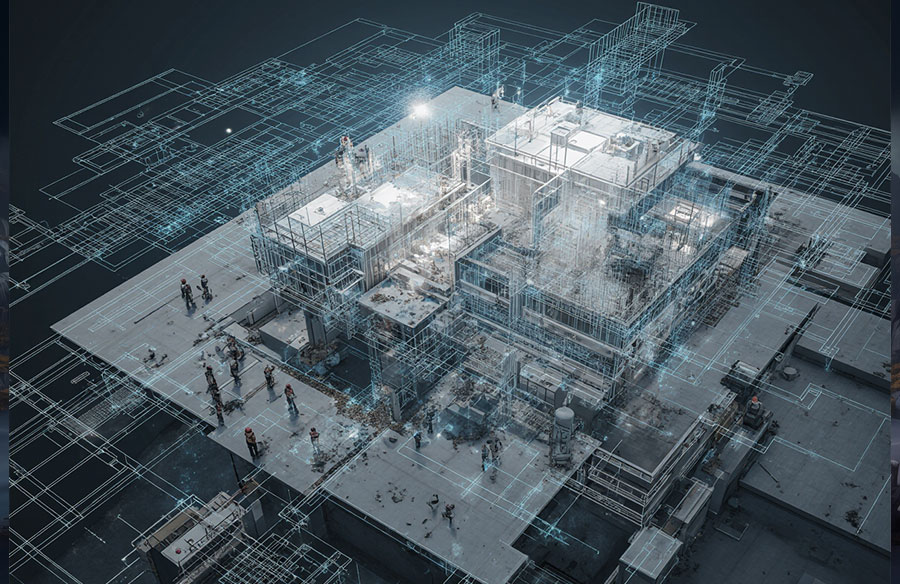
Drones are now standard in emergency architecture. They can be deployed within minutes to survey large or unsafe rooftops, providing high-resolution imagery and 3D scans. This allows architects and engineers to map the extent of roof damage, plan access strategies, and document conditions for insurance or regulatory purposes — all without stepping on the roof.
Thermal Imaging for Hidden Damage Detection
Roof damage isn’t always visible. Moisture infiltration, insulation failure, and voids beneath surface materials can go unnoticed. Thermal imaging reveals temperature anomalies that point to trapped moisture, heat loss, or internal stress — enabling more precise targeting of repair efforts.
AI-Powered Damage Recognition Software
Paired with drone footage and site data, AI tools are now being trained to identify structural anomalies, prioritize intervention zones, and even simulate short-term stress scenarios. These platforms speed up decision-making, reduce guesswork, and help teams focus on high-risk areas.
Methodological Frameworks for Critical Response
Emergency stabilization isn’t just about tools — it’s about process. In high-pressure scenarios, a clear methodology is essential.
Triage Assessment Protocols for Roof Damage
Just like in emergency medicine, architectural triage ranks problems by urgency. Load-bearing breaches, exposure points, and drainage disruptions are top priority. Each issue is labeled as critical, urgent, or low-risk — giving teams a roadmap for safe, strategic action.
Staged Stabilization Approaches
Stabilization often happens in layers. The first layer might be sealing open seams to stop water. The second could involve shoring structural supports. The third might introduce temporary drainage or ventilation. This staged process keeps buildings functional and occupants safe while long-term solutions are designed.
Weather-Adaptive Installation Techniques
Every hour counts — but so does the forecast. Techniques and materials must be adapted to wind loads, humidity, and temperature changes. For instance, adhesive cure times shift dramatically in cold conditions. Teams must adjust workflows and product selection accordingly.
Professional Integration and Building Systems Coordination
Critical roof repairs don’t happen in isolation. They demand full coordination with the building’s infrastructure and systems.
Emergency Contractor Deployment Strategies
Successful emergency response means having pre-established partnerships with contractors who understand architectural goals, not just quick fixes. Speed is vital, but so is alignment with the overall design and structural logic of the building.
Coordination with Existing Building Infrastructure
Roofing affects HVAC, drainage, insulation, and electrical systems. Temporary repairs must maintain compatibility with these systems to avoid secondary failures. For example, sealing off a vent might protect from rain but cause overheating inside.
Multi-Trade Collaboration in Crisis Situations
Structural engineers, envelope consultants, roofing crews, and electricians — all must work in sync. Clear hierarchy and communication protocols help ensure safety and effectiveness under pressure.
Building Industry Implications and Professional Development
The rise of rapid-response roofing has changed how architecture interfaces with crisis. Firms now incorporate emergency planning into design phases. Materials are evaluated not just for durability, but for their behavior in failure. And professionals are training for scenarios that demand fast thinking, real-time risk management, and multi-disciplinary teamwork.
As climate volatility increases and building lifespans extend, the demand for architectural resilience — and rapid intervention capacity — will only grow. Roofs, often overlooked in design narratives, are becoming central to that story.