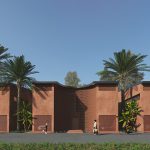
When building or renovating a home, one of the biggest decisions you’ll face is choosing between a flat or pitched roof. It’s not just about looks; the choice impacts drainage, insulation, maintenance, and even your home’s energy efficiency.
Whether you’re chasing a sleek modern aesthetic or leaning toward a classic sloped roof, understanding the pros and cons of flat vs. pitched roofs can help you make a smarter decision.
In this guide, we’ll break down everything from cost comparisons to weather performance so your roof matches both your style and your lifestyle.
What Exactly Are Flat and Pitched Roofs?
Let’s break it down before diving into the pros and cons of flat vs. pitched roofs. We need to know what we’re actually comparing.
Flat Roofs
Flat roofs, despite their name, are never truly flat. They’re constructed with a slight slope, typically between one and ten degrees, to encourage water runoff. This subtle angle is crucial for preventing water from pooling on the surface. You’ll often find flat roofs atop modern homes, commercial buildings, and city structures that prioritize sleek design and practical use of rooftop space.
Their popularity stems from more than just aesthetics. Flat roofs offer a clean, minimalist appearance that complements contemporary architecture. They’re also incredibly functional. Many homeowners use flat roofs as extended living spaces, turning them into rooftop patios, gardens, or platforms for solar panels and HVAC units. From a cost perspective, flat roofs are often more affordable to install due to simpler structural requirements, which makes them appealing for those building on a budget.
The materials used are specifically designed to resist moisture and UV exposure. Systems like EPDM rubber, TPO membranes, modified bitumen, and spray foam (SPF) are common choices. While durable, these surfaces still demand more attention than their pitched counterparts. Drainage systems such as internal drains, scuppers, or gutters must work efficiently to avoid standing water. Regular inspections and prompt maintenance are key to preventing leaks or long-term damage. So while flat roofs provide flexibility and modern charm, they also come with a slightly higher maintenance commitment.
Pitched Roofs
Pitched roofs, on the other hand, are the traditional go-to for residential construction. They’re easily recognizable by their angled shape, which typically ranges from twenty to sixty degrees. This sloped design isn’t just visually iconic, it’s a practical solution that naturally guides rain, snow, and debris away from the home. As a result, pitched roofs tend to have fewer water-related issues and require less frequent maintenance.
Homeowners often appreciate pitched roofs for the extra space they provide. The angle of the roof creates an attic area, which can be used for insulation, storage, or even additional living space if finished. Materials vary widely depending on style and climate, but asphalt shingles remain a top choice due to their affordability and durability. For those seeking a more upscale or rustic look, options like clay tiles, metal panels, concrete tiles, or wood shakes add both beauty and strength.
Another benefit of pitched roofs is their longevity. Thanks to their efficient drainage and weather resilience, they typically outlast flat roofing systems and experience fewer major issues over time. They also fit seamlessly with traditional architectural styles, from classic suburban homes to charming cottages and farmhouses.
In the end, the decision between a flat roof and a pitched roof comes down to your lifestyle, design preference, and long-term goals. If you value extra usable rooftop space and modern lines, a flat roof could be the perfect fit. But if low maintenance and a timeless look are more important, a pitched roof might serve you best. Understanding the strengths and trade-offs of each style helps you make a confident, informed decision.
Flat vs. Pitched Roofs: Breaking Down the Key Differences
Flat Roofs
Despite their name, flat roofs aren’t perfectly flat. They usually have a slight slope, typically between 1 to 10 degrees, to ensure proper water drainage. This type of roof is common on modern homes, commercial buildings, and structures where rooftop utility is a priority. Their clean, minimalist aesthetic makes them a favorite in contemporary architecture.
Flat roofs are usually constructed with materials like EPDM rubber, TPO membranes, modified bitumen, or spray foam roofing (SPF). These materials are specifically designed to create a watertight seal while staying lightweight and flexible.
One of the major advantages of flat roofs is their functional rooftop space. They’re ideal for installing solar panels, HVAC units, or even building rooftop gardens or lounges. In addition, the simpler design and fewer materials needed make them more affordable up front. On average, flat roofs cost between $5 $10 per square foot and are generally easier to install, which keeps labor costs low.
However, flat roofs also come with challenges. They rely on special drainage systems like internal drains or scuppers to prevent water accumulation. Without proper design and regular maintenance, water can pool, leading to leaks or premature wear. Flat roofs are also more exposed to extreme heat, especially during the summer months. That’s why they require high-performance insulation systems, such as rigid foam boards or spray foam, and benefit from reflective coatings or cool roof membranes to regulate temperature.
While flat roofs are easier to access for inspections or repairs, they typically require more frequent maintenance. Depending on the material used, you can expect a lifespan of 15 to 30 years, and ongoing upkeep is essential to avoid costly problems down the road.
Visually, flat roofs can be striking when paired with sleek, modern structures. Although they may not offer the traditional “homey” look, they can boost resale value in urban markets or areas where contemporary design is in demand.
Pitched Roofs
Pitched roofs are the classic, triangular roofs most people picture when they think of a home. These roofs slope steeply, typically between 20 and 60 degrees, and meet at a central ridge line, allowing rain, snow, and debris to slide off easily. This design is ideal for areas that experience heavy precipitation and colder climates.
Common materials for pitched roofs include asphalt shingles, clay or concrete tiles, metal panels, and wooden shakes. These materials are chosen not only for durability but also for the wide range of styles they offer. A pitched roof can complement various home designs, from traditional cottages to rustic cabins or modern farmhouse builds.
The biggest strength of a pitched roof lies in its durability. Thanks to the natural slope, water runoff is efficient, reducing the risk of leaks. These roofs often last between 30 to 50+ years, depending on the materials used, especially when using metal or tile. Maintenance requirements are also lower, although accessing a steep roof for inspection or repairs can be more difficult and dangerous.
Pitched roofs also allow for an attic, which serves as valuable space for storage or additional insulation. This additional layer helps regulate indoor temperature more effectively, improving energy efficiency, especially in colder regions where heat retention is critical.
However, pitched roofs do come with higher construction costs. Their more complex design requires more labor, and they use more materials, such as trusses, tiles, underlayment, and insulation. Steeper pitches may also require extra structural support to ensure safety and stability. On average, pitched roofs cost between $10- $18 per square foot and involve medium to high labor complexity.
From a design standpoint, pitched roofs offer visible charm. Their sloped shape adds character and curb appeal, which is often a strong selling point in family-oriented or suburban neighborhoods. They are highly customizable and available in styles like gable, hip, or saltbox, offering a more traditional and visually appealing silhouette.
Choosing Based on Location & Climate
When it comes to flat vs. pitched roofs, where you live plays a huge role in making the right call. Your roof isn’t just a pretty top hat for your home; it’s your first line of defense against weather, temperature changes, and local conditions.
Here’s how it breaks down:
Cold, Snowy Climates?
Go for a pitched roof. The steep slope helps snow slide off and prevents ice dams. It also handles heavy snow loads better, reducing structural stress.
Rainy Regions?
Again, pitched roofs win. They’re built for efficient water drainage, which minimizes the risk of leaks and water pooling.
Hot, Dry Climates?
Flat roofs can be a solid choice. Pair them with a reflective membrane to reduce heat absorption. You can even add a green roof to regulate temperature naturally.
| Climate | Best Roof Style |
| Snowy/Mountain | Pitched Roof |
| Rainy/Tropical | Pitched Roof |
| Arid/Hot | Flat Roof |
Also, check with your local building codes or HOA restrictions; some areas have regulations on roof style, pitch, and height.
Bottom line? Climate + code = clarity. Let your environment help guide your roofing decision.
Cost Breakdown: Flat vs. Pitched Roofs
Let’s talk about what really hits home with your budget. When choosing between flat vs. pitched roofs, the price tag can vary big time based on materials, labor, and complexity.
Here’s a quick comparison:
| Feature | Flat Roof | Pitched Roof |
| Avg Cost per Sq Ft | $5 – $10 | $10 – $18 |
| Labor Complexity | Low | High |
| Maintenance Needs | Frequent | Less Frequent |
| Lifespan | 15–30 years | 30–50+ years |
Flat roofs are typically cheaper up front, require fewer materials, have a simpler design, and have faster installation. Great if you’re building on a budget or love modern vibes.
But pitched roofs, while pricier, usually offer a longer lifespan and fewer repairs, saving money over time.
So, it’s short-term savings vs. long-term value. Either way, be sure to get estimates from experienced roofing contractors to avoid any surprises!
Maintenance & Long-Term Considerations
Let’s be honest, no one dreams about roof maintenance, but it’s a big part of the flat vs. pitched roofs decision.
Flat roofs need a little more TLC. Why? Because their low slope makes them prone to water pooling, which means regular inspections and clearing debris are a must. Materials like TPO or EPDM rubber can also wear down faster under UV rays.
Pitched roofs, on the other hand, practically maintain themselves well, almost. Their steep angle helps shed water and snow naturally, reducing leak risks. Plus, with materials like asphalt shingles or metal roofing, you’re looking at decades of durability with minimal upkeep.
Here’s the quick rundown:
- Flat Roofs: Inspect 2x/year, reseal every 5–10 years
- Pitched Roofs: Inspect 1x/year, replace shingles as needed
Bottom line? If you’re cool with regu
Conclusion
By now, you’ve likely come to realize that there’s no one-size-fits-all answer in the flat vs. pitched roof conversation. Each roof type brings its own set of advantages, and the right choice depends heavily on your priorities, your region’s climate, and the overall style of your home.
If you’re someone who appreciates sleek, modern aesthetics and loves the idea of utilizing your rooftop, whether for solar panels, a lounge area, or simply extra utility space, a flat roof might be the ideal solution. They’re also typically more budget-friendly upfront and easier to install, making them a great option for contemporary builds or urban properties where every inch of space matters.
On the other hand, if you live in an area that faces heavy rain, snow, or seasonal storms, a pitched roof could be a much better investment. Not only do they shed water more efficiently, but their robust structure and classic design tend to last longer, require less maintenance, and add that timeless charm that appeals to many homeowners and potential buyers.
Still not sure which way to go? You’re not alone. Choosing the right roof is a big decision, and getting local insight can make all the difference. It’s worth reaching out to a local roofing company near me that understands your area’s climate and building codes. Whether you’re in Garfield, New Jersey, or a region with similar weather, an experienced roofing contractor can guide you through the pros and cons based on your home’s unique needs.
At the end of the day, your roof does more than just shield you from the elements. It plays a huge role in defining the character, comfort, and value of your home. Whether you opt for the functionality and modernism of a flat roof or the charm and resilience of a pitched one, the best choice is the one that aligns with your lifestyle and stands strong for decades to come.