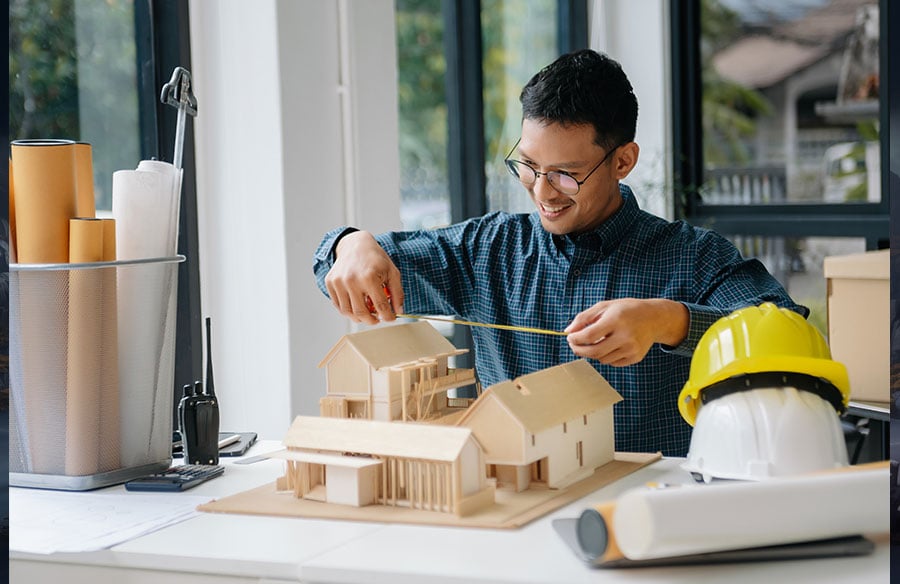
Architecture has always been about bold ideas. But in today’s fast-moving world, ideas aren’t enough. You also need tools that can turn those visions into reality—cleanly, quickly, and sustainably.
The entire process, including concept sketches to complex structural detailing, is becoming more tech-integrated. Gone are the days when drafting tables ruled the room. What you now have is a blend of real-world creativity and digital precision—giving you more control, better accuracy, and faster execution.
And with the right tools in hand, you can create things that weren’t even possible a decade ago. Here are some of the most powerful tools reshaping architecture today.
1. 3D Printing for Prototypes and Structures
Imagine being able to test your idea in physical form just hours after sketching it. That’s what 3D printing offers. It helps architects create detailed models and working prototypes—fast and with incredible precision.
You can experiment with complex forms, study facade options, and tweak designs without waiting on third parties. Some firms are even 3D printing full-scale elements like modular walls and curved structures using concrete and recycled materials.
Besides saving time, it also reduces waste and opens the door to experimenting with forms that traditional methods simply can’t support. If you’re designing anything sculptural or highly customized, 3D printing is your new best friend.
2. Waterjet Cutter: Precision Meets Versatility
Now let’s talk about a tool that doesn’t get enough spotlight—the waterjet cutter.
If you haven’t used one yet, here’s why it deserves your attention. A water jet cutter uses a high-pressure stream of water (sometimes mixed with abrasive particles) to slice through materials. We’re talking stone, metal, tile, glass—even fragile materials like ceramics and composites.
One big advantage? It doesn’t use heat. That means no warping, no discoloration, and no structural damage to your materials. You get smooth, precise edges that need little to no finishing.
There are companies making advanced waterjet cutting systems that offer software-driven accuracy, flexible operation, and fast switching between materials. You can move from cutting marble floor inlays to aluminum signage in minutes—with zero tool changes.
For architectural work, it’s perfect for:
- Decorative panels with detailed cut-outs
- Custom metal signage and logos
- Tile mosaics and stone floor medallions
- Intricate glass or metal facades
On top of that, it’s eco-friendly. Because cuts are so precise, there’s very little material waste. So if sustainability matters to your practice, water jet cutting checks all the boxes.
3. BIM Software and Real-Time Collaboration
If you’ve ever juggled emails, spreadsheets, and 2D drawings with multiple teams, you know how messy things can get. That’s where BIM (Building Information Modeling) software like Revit, Archicad, and BIM 360 comes in.
With BIM, everything lives in one integrated model. Structural details, MEP systems, even cost estimates—it’s all connected. And because it’s cloud-based, teams can collaborate in real time, whether they’re in the office or on-site.
This kind of setup doesn’t just reduce human error. It gives you faster approvals, fewer clashes, and more room to focus on creative thinking. You’re no longer just designing buildings—you’re building systems that talk to each other.
4. Smart Wearables and On-Site Tech
Construction sites are getting smarter. AR helmets and smart glasses are allowing architects to walk through a project and view digital overlays of plans in real-time.
You can spot mismatches between design and execution on the spot—before they become expensive mistakes. Some wearable tech even allows voice control or heads-up displays, freeing your hands while you work.
And if you’re into heavy construction, wearable exosuits are helping workers lift heavy loads with less strain. It’s safer, faster, and more efficient for everyone involved.
5. Sustainable Material Processing Tools
As green building standards rise, the tools used to create sustainable architecture are evolving fast.
You now have access to prefabrication robots, modular construction systems, and insulation spraying tools that cut energy loss down to near-zero. Some tools even track the carbon footprint of every step you take during construction.
Whether you’re building a LEED-certified home or a net-zero office tower, these tools support smarter material use and better long-term efficiency.
Even better? Many of them integrate with your BIM platform or project management software—making your workflow more connected from start to finish.
Final Thoughts
Tech will never replace the architect. But it will continue to shape what architecture can achieve. These tools—3D printers, drones, BIM platforms, waterjet cutters—they’re not just innovations. They’re enablers. They give you more control, more clarity, and more creative freedom.
So stay curious. Keep learning. And don’t be afraid to explore tools that push your ideas beyond sketches and into reality. After all, the best architecture happens when vision meets precision.