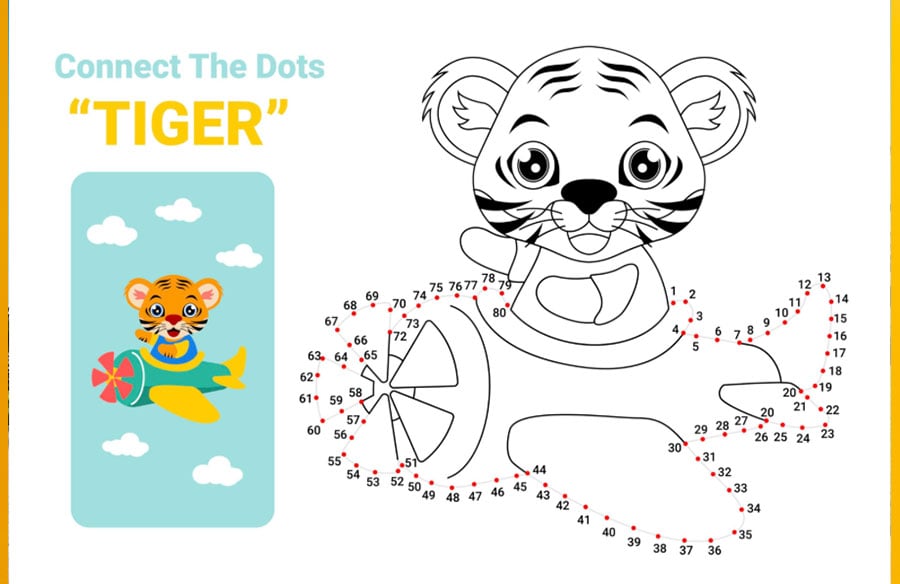
Anybody who has seen their child in a state of struggle with early math concepts, such as number recognition or basic counting, will know how frustrating it can be for both parties. No matter how many flashcards you attempt or worksheets you print, sometimes it does not click.
Then, the question you may ask yourself is, “Is it possible to develop these underlying skills in a more entertaining and stress-free manner?”. The answer could be easier and more colorful than you imagine.
Color-by-number tasks are not merely quiet time activities; rather, they are surprisingly effective tools that can refine math knowledge, train pattern recognition and even enhance concentration of young brains.
So, let’s explore how such a simple, fun and relaxing activity as color-by-number makes a practical difference in the early learning experiences of your child and why you should consider investing in some kits this week.
1. Strengthens Number Recognition Naturally
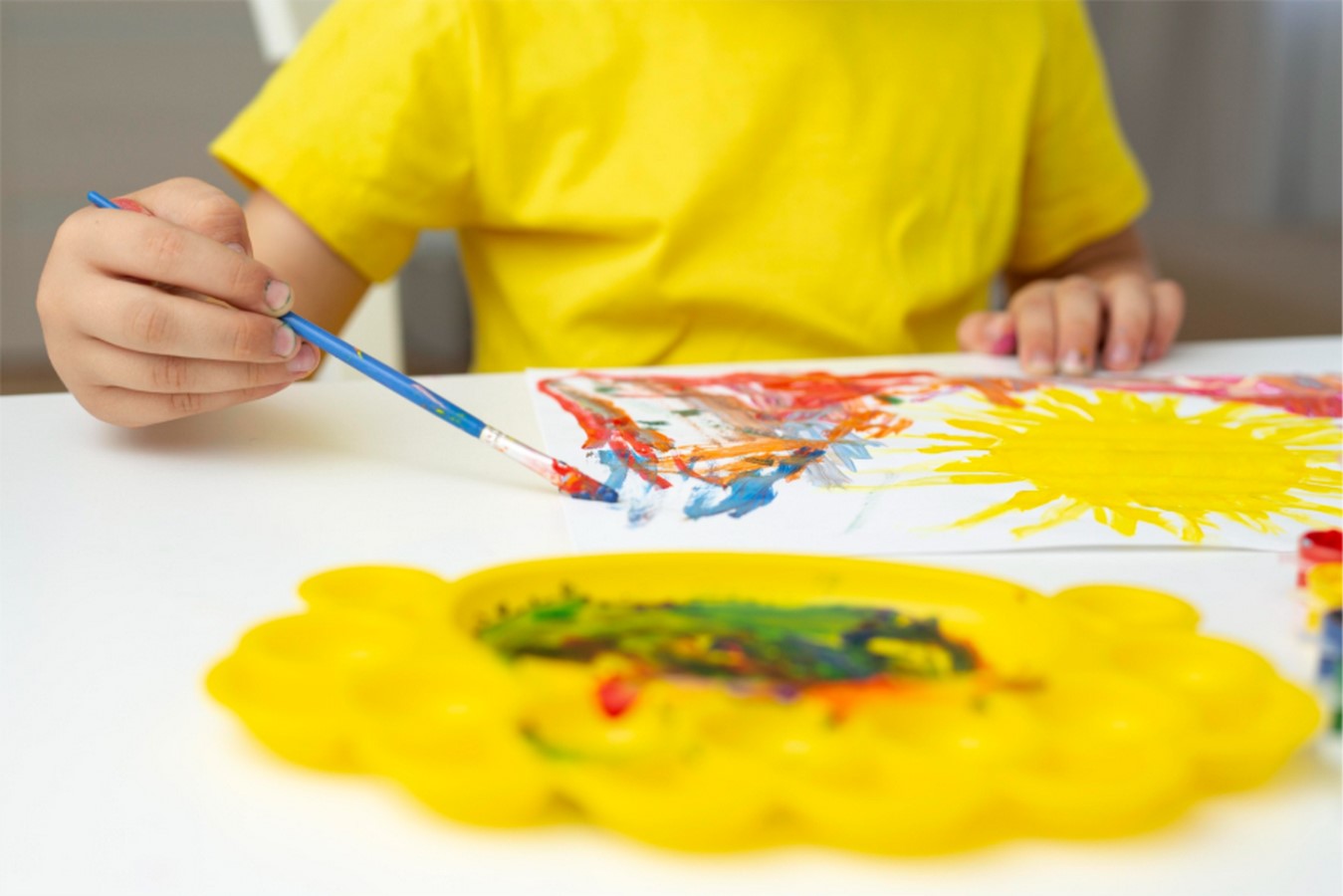 Identifying numbers is one of the initial mathematical achievements that children make. However, memorizing them on flash cards or through repetition sometimes feels like a chore. Color-by-number makes this process into a game.
Every region of the picture is marked with a number, and every number is assigned its color. When children look around for a number “3” and color all sections in yellow, for instance, they begin to memorize and remember numbers by themselves. This repetition does not feel unnatural; it is built into the process of creation.
To get the best out of this activity, it is advisable to get colors by number for kids kits from one of the highest-ranking DIY Paint by Numbers sellers. Such kits are structured according to age-related themes and color combinations that help keep the children motivated whilst supporting their learning objectives.
Also, since children are driven to see where they finish the picture and what the end product will look like, they remain more focused on the task than they would in a conventional lesson. And this longer engagement means more learning and no complaining.
2. Develops Early Counting and Sequencing Skills
In addition to recognizing numbers, the children must also learn their meaning in sequence. Here is where color‑by‑number can fill the gap.
When children look at various numbers, beginning with 1 and going to 10 or even further, they begin to notice relationships between the numbers. An example of this, they may discover that when they have colored all of the sections marked 1, the next will be marked 2, then 3, and so on. This implicitly strengthens the order and reasoning of numerical patterns.
More advanced kits may also employ skip-counting (e.g., counting only even numbers or counting by fives), which provides an extra challenge to older children. As your child completes each blank space, they are also learning mathematical operations, such as addition and subtraction, but without the use of worksheets or crying.
3. Encourages Pattern Recognition and Logic Building
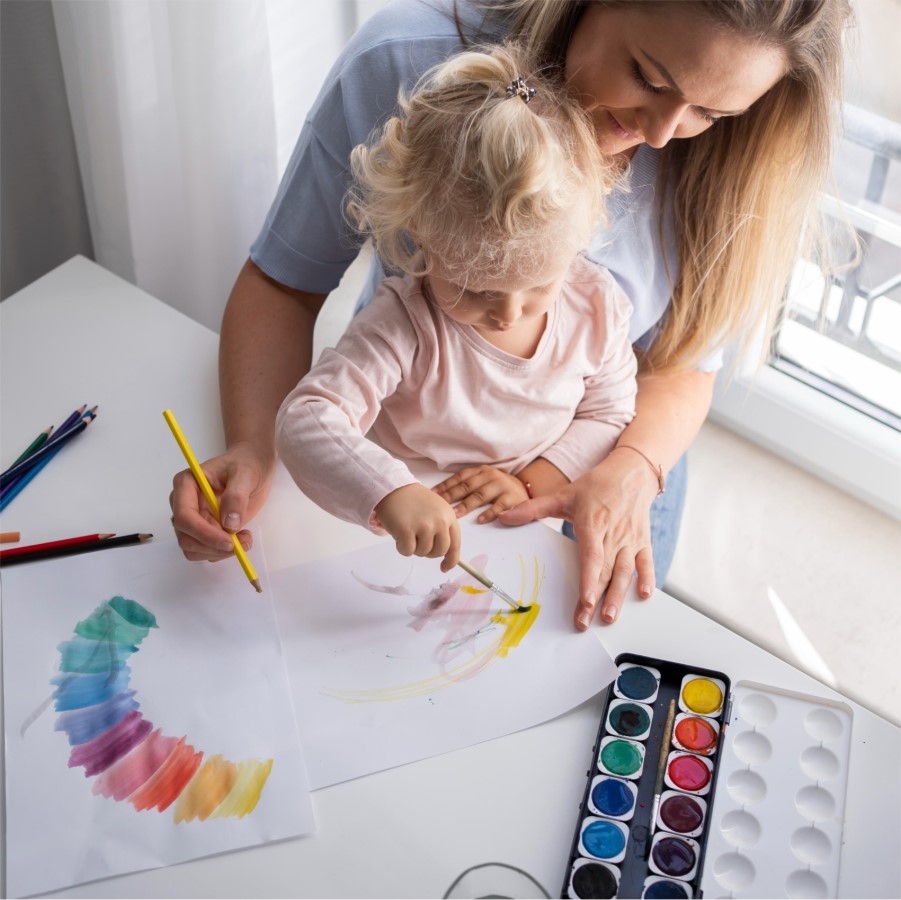 Pattern recognition is one of the foundational skills for logical thinking and later math success. Interestingly, color‑by‑number kits often require kids to identify visual or numeric patterns without even realizing it.
For example, a child might notice that every other space is marked with the number “2,” suggesting a color-based pattern in the picture. As they color, they’re not just replicating a design; they’re analyzing and predicting. These are the same critical thinking processes they’ll later use in geometry, coding, or problem-solving in science.
Additionally, this process strengthens spatial awareness. Kids begin to understand how different parts contribute to a whole image, which is a core concept in both math and art.
4. Improves Focus, Patience, and Fine Motor Skills
Let’s be honest: attention spans in young kids aren’t always great. But color‑by‑number quietly teaches kids to sit, concentrate, and complete a task step-by-step.
Because the activity is both calming and goal-oriented, it helps children develop patience and persistence. They learn to stay with something until it’s done, which is a vital skill not just for math but for life in general.
At the same time, the act of carefully coloring within the lines sharpens fine motor control, an important part of handwriting readiness. So, while your child is quietly coloring in their favorite cartoon lion or a magical unicorn, they’re also building hand strength and pencil grip control.
5. Builds Confidence Through Visual Progress
 Many children lose interest in math because it feels abstract or overwhelming. But color‑by‑number offers visible proof of progress. Each colored section is a small win that brings them closer to a beautiful final product.
This visual feedback builds confidence. Kids can literally see the results of their effort, and that creates a positive learning loop. The more they enjoy it, the more likely they are to practice; the more they practice, the more they learn.
Final Thoughts
In a world filled with screens and structured lessons, color‑by‑number brings learning back to the basics, in the best way possible. It merges creativity with structure, fun with focus, and art with arithmetic.
If your child is just starting out on their math journey or struggling to find joy in numbers, consider introducing them to color‑by‑number. Not only is it a peaceful, screen-free activity, but it’s also backed by real educational benefits.
And if you’re looking for high-quality kits specifically designed for children, you can explore a wide range of beautifully crafted options on websites like Canvas by Numbers. These kits are tailored to young learners and make the perfect blend of fun and learning.