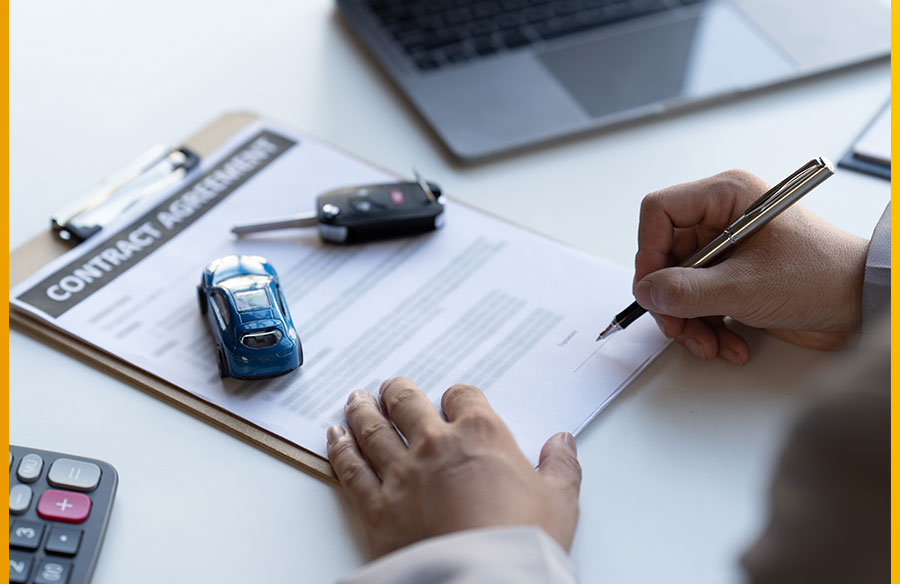
Personal Contract Purchase (PCP) is one of the most common ways to finance a car. It offers lower monthly payments and flexible options at the end of the term. But if you’re not familiar with how it works, the details can be confusing.
This guide explains PCP agreements so you can decide if it’s the right fit for your next car purchase. Keep reading to understand how PCP works for drivers like you.
What Is PCP and How Does It Work?
PCP is a popular type of car finance that lets you spread the cost of a car over a fixed period, often between 2 and 6 years. You make regular monthly payments, which cover the car’s depreciation, not the full value. This helps keep payments lower than traditional loans.
At the end of your agreement, you’ll face a choice. You can buy the car outright by paying a lump sum (called a balloon payment), return the car to the lender, or trade it in for another vehicle on a new PCP deal.
For a simple breakdown of how this works, you can follow the Carmoola PCP guide to help you compare your options and understand each step in more detail.
What’s Included in a PCP Deal?
When you sign a PCP agreement, your contract will include a few key figures. These often include:
- Deposit: Usually a small upfront payment
- Monthly instalments: Fixed payments over the term
- Guaranteed Minimum Future Value (GMFV): The car’s predicted value at the end
- Optional balloon payment: The cost to buy the car at the end
It’s important to stick to the mileage limit set in your agreement. Going over may result in extra charges. Also, any damage beyond fair wear and tear could lead to penalties if you hand the car back.
The Pros of PCP
One of the biggest advantages of PCP is flexibility. You don’t need to commit to owning the car unless you want to. It’s ideal if you prefer driving newer models more often without the full financial responsibility of ownership.
Monthly payments are typically lower than Hire Purchase (HP), since you’re not repaying the full value. This makes PCP more accessible for people who want a more expensive car but need affordable payments.
Wrapping Up
PCP suits drivers who like the idea of changing cars regularly, sticking to a set budget, and not having to worry about selling the car later. If you’re confident in staying within mileage limits and caring for the car, PCP could be a smart way to manage your car costs.
But if you know you want to own the car long-term, you might be better off comparing PCP to Hire Purchase. The total cost of ownership over time can be higher with PCP if you end up buying the car.
Know what you’re signing and plan ahead. With the right understanding, a PCP agreement can give you more control over how you finance and drive your car.