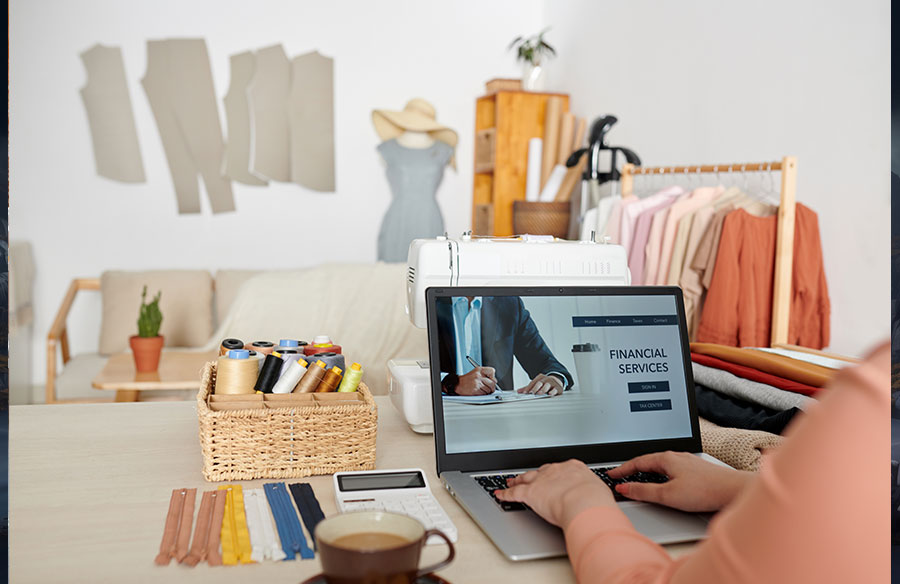
In the fast-paced world of online shopping, your website is more than just a digital storefront—it’s the core of your brand identity, marketing engine, and revenue machine all rolled into one. Whether you’re an aspiring fashion boutique owner or an established brand expanding your eCommerce presence, web development is the foundation of your success.
But what does successful web development really mean in 2025? And how do businesses selling fashion products build user-friendly, mobile-optimized, high-conversion websites without breaking the bank?
This article will walk you through essential aspects of web development tailored for fashion retailers, the tools to use, and how brands like Shewin help online entrepreneurs bridge the gap between great products and great platforms.
How to Develop a Fashion Boutique for Online Retailers
Now, check the following steps to develop an impressive website.
1. What Is Web Development, and Why Should Retailers Care?
Web development refers to the process of creating and maintaining websites. It includes everything from coding and programming to implementing user interface (UI) design and optimizing user experience (UX). For online fashion retailers, web development is what brings your vision to life—from homepage sliders to product listings to checkout forms.
Good web development isn’t just technical—it’s strategic. It determines:
- How fast your site loads (which affects bounce rate)
- How your products are displayed (which impacts conversion)
- How secure your transactions are (which builds trust)
- How mobile-friendly your store is (which is essential today)
Without proper development, even the most beautiful designs and bestselling products can fall flat. Think of it this way: web development is the skeleton that supports your site’s skin, voice, and movement.
2. Choosing the Right Platform
The first decision in web development is your eCommerce platform. Popular options include:
- Shopify: Great for beginners, with many built-in features and easy dropshipping integrations.
- WooCommerce (WordPress): Flexible and customizable, great for those with some technical knowledge.
- BigCommerce, Wix, Magento, Squarespace: Other viable choices depending on scale and budget.
Shopify, for instance, is a favorite among boutique owners who want to get up and running quickly. It offers themes, apps, and payment gateways out of the box. Better still, it integrates easily with fashion suppliers like Shewin, a trusted wholesale and dropshipping platform for women’s apparel.
Shewin allows sellers to pull product images, descriptions, and inventory directly into their store, minimizing setup work while ensuring real-time availability and sync.
3. Designing for Your Ideal Customer
Web design and development go hand in hand. Once you’ve chosen your platform, it’s time to create a site that resonates with your target shopper.
If you sell trend-forward women’s apparel, like affordable cardigans for women, you’ll want your site to feel:
- Modern and stylish
- Easy to browse with minimal clicks
- Visually rich (lots of photos, videos, and customer reviews)
- Mobile-first (over 70% of users shop via phone)
The layout should support large visuals, quick filtering by size or color, and a seamless checkout experience. Strong calls to action (CTAs) like “Shop Now” or “Add to Bag” should be visible without scrolling.
Pro tip: Avoid clutter. Keep it clean and focused. If your product line is bold and colorful, opt for a minimalist background and streamlined navigation.
4. Front-End vs. Back-End Development
Let’s break down two crucial parts of web development:
Front-End Development
This involves everything the user sees—your layout, fonts, color scheme, product pages, and navigation menu. Developers use languages like HTML, CSS, and JavaScript to build this side.
When your shopper clicks a category like “wholesale women’s sweaters” and sees a neatly organized grid of images and product details, that’s front-end at work.
Back-End Development
This powers everything behind the scenes—your database, server, and integrations. This is where product inventory is synced, payment transactions are processed, and customer orders are recorded.
Back-end development ensures that when someone adds a sweater to their cart, the system knows:
- The item is in stock
- Their payment goes through
- The order is sent to fulfillment
Most eCommerce platforms handle back-end logic for you. But custom features—like bundling promotions or dynamic product recommendations—might require more advanced coding or plugins.
5. Features Every Fashion Website Should Have
If you’re selling apparel online, consider these must-have web development features:
🔍 Advanced Search & Filters
Allow customers to filter by size, color, material, sleeve length, and more.
🖼 High-Quality Product Images
Zoom features, multiple angles, and try-on videos make your products come alive.
💬 Customer Reviews & Ratings
Builds trust and gives new visitors social proof to buy.
💳 Seamless Checkout
Fewer clicks = more conversions. Enable guest checkout, support multiple payment methods, and offer buy-now-pay-later options.
📱 Responsive Design
Your site must look amazing on smartphones and tablets. This isn’t optional anymore.
📦 Real-Time Inventory Integration
Especially if you work with a wholesaler like Shewin, inventory updates must reflect instantly on your product pages.
6. Dropshipping Integration for Scalable Growth
One of the key benefits of working with platforms. For boutique owners just starting out or those looking to scale without major investment, dropshipping allows you to list and sell products without holding inventory.
You simply sync Shewin’s catalog to your store, and once a customer places an order, Shewin fulfills it on your behalf.
No upfront bulk purchase. No warehouse fees. Just smart, low-risk selling.
From a web development standpoint, your store must:
- Handle product syncing (Shewin offers tools and CSV downloads for easy integration)
- Display shipping times and return policies clearly
- Track order status and allow customer logins
7. SEO and Performance Optimization
Even the most beautiful site won’t help if no one finds it. Web development should include on-page SEO practices:
- Descriptive meta titles and tags
- Fast-loading images
- Structured data for product listings
- Internal links and clean URLs
If you’re listing affordable cardigans for women, use keywords your customers are searching for. Titles like “Chunky Knit Cardigan – Fall Must-Have” or “Soft Button-Down Cardigan with Pockets” will perform better in search engines than vague names.
In addition to SEO, page speed matters. Tools like Google PageSpeed Insights or GTmetrix can help you test and improve your site’s load time.
8. Continuous Testing and Improvements
Web development doesn’t stop once your site is live. Ongoing testing helps improve conversion rates and user experience.
- A/B test homepage banners or product page layouts
- Try different color palettes or button placements
- Track bounce rates and fix exit points
If customers keep leaving during checkout, review the flow. Is it too long? Missing trust badges? Slow to load?
Small tweaks can lead to big results.
Final Thoughts
Web development is not just about code—it’s about crafting a digital space that reflects your brand, engages your shoppers, and supports your growth. Whether you’re selling statement jackets, classic basics, or wardrobe essentials like wholesale women’s sweaters, a thoughtfully developed site can make or break your success.
Fortunately, with tools like Shopify, skilled developers, and wholesale partners like Shewin, it’s never been easier to build a stylish, high-functioning online boutique that sells.
So go ahead—curate your collection, design your dream store, and let your website do the selling.