

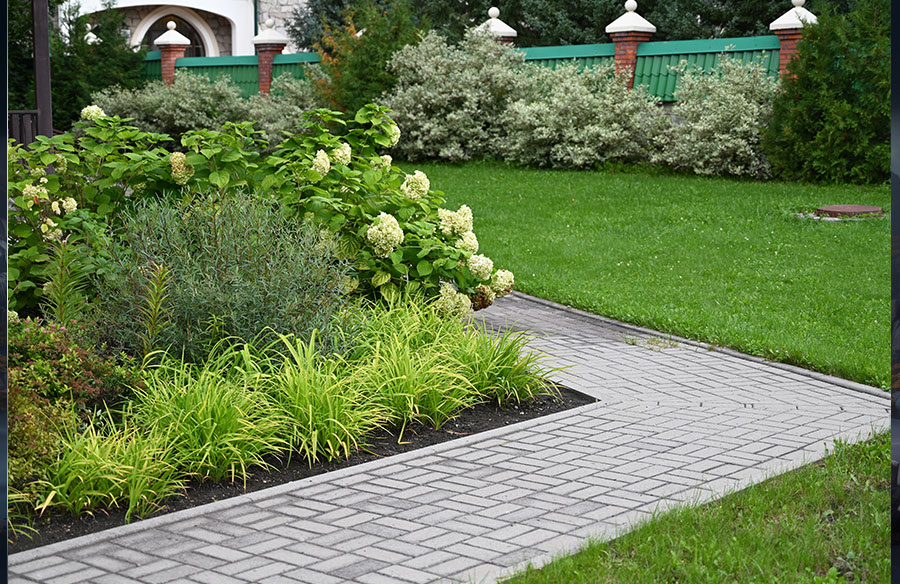
When planning a home improvement project, homeowners often want to ensure that new additions seamlessly blend with their existing landscaping or architectural style. This concern is especially relevant when considering stamped concrete for driveways, patios, or walkways. Can stamped concrete suppliers match existing landscaping or architectural styles?
Yes, stamped concrete suppliers can indeed match existing landscaping or architectural styles. With various patterns, colors, and textures, skilled suppliers can create custom designs that complement or mimic nearly any style or material.
However, the extent to which stamped concrete can match your specific landscape or architectural style depends on various factors. It’s worth delving deeper into this topic to fully understand the possibilities and limitations of stamped concrete and learn about achieving the perfect match for your property.
Factors That Influence Stamped Concrete’s Ability To Match Existing Styles
Several factors come into play when matching stamped concrete with existing landscaping or architectural styles. The skill and experience of the concrete contractor are crucial, as they need to have a keen eye for color matching and pattern replication. The quality of materials used, including the concrete mix, color hardeners, and release agents, also significantly impacts the final result.
Another important factor is the complexity of the existing style you’re trying to match. Simple patterns and solid colors are generally easier to replicate than intricate designs or variegated color schemes. The age and condition of the existing elements also play a role, as weathered materials may have subtle color variations that can be challenging to mimic perfectly.
Lastly, site conditions, such as lighting and the surrounding landscape, can affect how well the stamped concrete blends with existing features. A skilled contractor will consider all these factors to achieve the best match.
How To Choose The Right Stamped Concrete Pattern And Color For Your Property
Selecting the appropriate stamped concrete pattern and color is crucial for achieving a cohesive look with your existing landscaping or architecture. Start by carefully observing the dominant colors and textures in your property’s exterior. Look for inspiration from your home’s facade, existing hardscaping, and even the natural surroundings.
Consider the function of the area where the stamped concrete will be installed. For example, a pattern with less texture might be more suitable for high-traffic areas or spaces where furniture will be placed. Also, consider the overall style you’re aiming for—whether rustic, modern, traditional, or eclectic.
Requesting samples or visiting completed projects is always a good idea to see how different patterns and colors look in real-world settings. Many suppliers offer color charts and pattern books, which can help narrow your options. You can often find these resources at your local concrete supply store, where you can also get expert advice on the best products for your project. Don’t hesitate to seek the advice of a professional designer or your concrete contractor, as they can provide valuable insights based on their experience.
What Are The Limitations Of Stamped Concrete In Matching Existing Styles?
While stamped concrete is versatile, it does have some limitations when it comes to matching existing styles. One primary constraint is that stamped concrete cannot perfectly replicate the natural variations found in materials like stone or wood. While it can come close, discerning eyes may still be able to tell the difference.
Another limitation is the depth of texture that can be achieved with stamped concrete. While it can mimic the surface appearance of materials like brick or slate, it cannot reproduce their three-dimensional characteristics entirely. This might be noticeable in certain lighting conditions or upon close inspection.
Color matching can also be challenging, especially when replicating weathered or aged materials. While concrete can be stained or colored to match a wide range of hues, achieving an exact match to existing elements affected by time and weather can be difficult. However, skilled contractors can often create a complementary look that enhances the overall aesthetic, even if it’s a different match.
What Maintenance Is Required To Keep Stamped Concrete Looking Like The Original Landscape?
Regular maintenance is essential to maintain the appearance of stamped concrete and ensure it continues to match your existing landscape. This typically involves cleaning the surface periodically with a mild detergent and water to remove dirt and debris. Specific concrete cleaners may be necessary for tougher stains, but choosing products that won’t damage the concrete’s color or sealant is important.
Resealing the stamped concrete every 2-3 years is crucial for preserving its color and protecting it from wear and tear. The frequency of resealing may vary depending on the amount of traffic the area receives and exposure to weather conditions. When resealing, it’s important to use a product compatible with the original sealant to avoid adverse reactions.
In some cases, you may need to touch up the color of your stamped concrete to maintain its match with the existing landscape. This can be done through the application of concrete stains or dyes. However, it’s best to consult with a professional to ensure the color matching is done correctly and doesn’t alter the overall look of your outdoor space.
How Does The Cost Of Stamped Concrete Compare To Using Actual Materials For Matching Styles?
Cost is often a significant factor when considering stamped concrete to match existing landscaping or architectural styles. Generally, stamped concrete is more affordable than using actual materials like natural stone, brick, or high-end tile, especially for larger areas.
The cost savings come from several factors. First, the installation process for stamped concrete is typically faster and requires less labor than laying individual stones or tiles. Second, the materials for stamped concrete are usually less expensive than premium natural materials. Finally, stamped concrete often requires less maintenance over time, which can lead to long-term cost savings.
However, it’s important to note that the initial cost of stamped concrete can be higher than plain concrete or some basic paving materials. The additional expense comes from the coloring agents, stamps, and skilled labor required to create the desired patterns and textures. Despite this higher upfront cost, many homeowners find that stamped concrete’s durability, versatility, and aesthetic appeal make it a worthwhile investment.
When comparing costs, it’s crucial to consider the initial installation expense, long-term maintenance costs, and the potential impact on property value. While natural materials might have a higher resale value, well-executed stamped concrete can also enhance the appeal of your property at a fraction of the cost.
Envisioning The Future
Now that you understand the possibilities and limitations of using stamped concrete to match your landscaping or architectural style, it’s time to take action. Schedule consultations with several reputable stamped concrete contractors in your area to discuss your specific project needs and get detailed quotes. By meeting with professionals and seeing examples of their work, you’ll be better equipped to decide whether stamped concrete is the right choice for your property.







