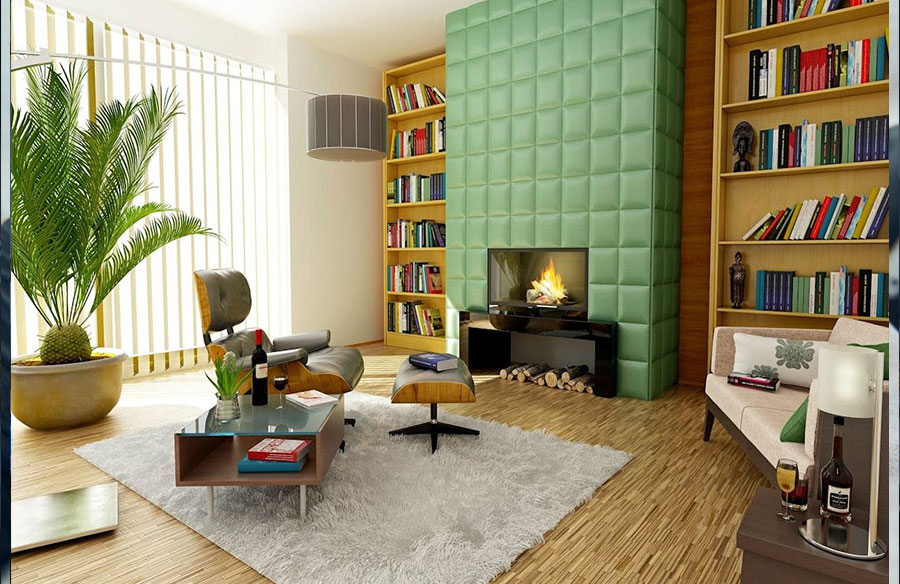
There is a lot to balance when it comes to selecting the ideal sofa, colours, and space arrangement. The good news is that you don’t have to use your imagination alone. Your secret weapon should be visualisation tools. They assist you with refining, testing, and perfecting your design. And let’s face it, the process is much more fun when you can try things out without committing.
Whether you’re redesigning your living room or rearranging your bedroom, you can confidently take control of your home project with the use of simple visualisation tools. These tools are quite enjoyable to use and make it simple to experiment with different looks, explore concepts, and discover your own style.
Virtual Room Planners: Try Before You Buy
You can sketch out your space, drop in furniture, and experiment with colors until everything clicks. Whether you’re moving into a new home or just itching for a refresh, these planners can help you turn loose ideas into a solid design plan.
Popular virtual room planner apps make the process simple and enjoyable—no technical skills required. You can drag furniture around, resize walls, swap materials, and see your layout come together in minutes.
Roomstyler even connects you to real furniture you can buy directly, turning your virtual room into a real-world shopping list. It’s pretty satisfying to see your ideas take shape so quickly.
Benefits of Using Virtual Planners
Avoid big design mistakes, like buying a couch that overwhelms your space or picking colors that don’t work together. They let you test different room arrangements, check how furniture fits, and even walk through your virtual space in 3D. Changing things up is quick and easy, which saves you both time and money.
- See room layouts instantly while moving furniture around.
- Make adjustments to colors, sizes, and placements with a few clicks.
- Browse and shop directly from catalogs linked to real products.
- Save different versions of your design to compare options side by side.
If you’re planning a room makeover or trying to find the perfect furniture arrangement, virtual planners are a great place to start. They let you try out multiple ideas without the risk of getting stuck with something that doesn’t fit. Even if you’re working on a tight budget, these tools can help you make smart choices and get the most from your space.
3D Rendering Software: Build Realistic Visuals
Build lifelike versions of your rooms. You can zoom in on every little detail—from the way your couch faces the window to how light hits your walls. If you’re really getting into it, using a flooring visualizer tool will let you test different patterns and finishes to see what works best.
These tools give you a close-up look at your space before you make any big decisions. You can test wall colors, swap materials, and even adjust the lighting to see how your room feels during the day or at night. It’s a powerful way to spot problems and fine-tune your design.
You get:
- Detailed, realistic previews that help you catch design issues early.
- Adjustable lighting so you can plan both daytime and evening looks.
- Easy to create and compare different versions of your room.
- Clear visuals to explain your ideas to contractors or friends.
Who Benefits Most from 3D Rendering
If you’re working on multiple rooms or teaming up with a contractor, 3D rendering helps you plan everything with precision.
Whether you’re upgrading a small apartment or planning a major renovation, these visuals make it easier to get things right.
Augmented Reality (AR) Tools: See It in Your Space
Point your phone at a room and drop in digital furniture to see exactly how it would look. It’s the easiest way to bring a new chair, table, or rug into your home without actually buying it first.
IKEA Place and Houzz AR are two of the easiest apps to try. Just open the app, pick a product, and see it pop up right in your room—move it, rotate it, and adjust the size until it looks just right. More brands are adding AR options too, which means you’ll keep getting new choices when shopping from home.
How AR Changes Decision-Making
AR tools take away the guesswork when shopping for furniture. You can check if a sofa is too bulky, whether a rug works with your floor, or if a new lamp fits the mood of your room.
It saves you from expensive mistakes and gives you answers right away, without the hassle of measuring and returning items.
When AR Tools Make the Biggest Impact:
- Shopping online when you can’t see items in person.
- Trying out larger furniture like beds, couches, or storage units.
- Seeing how bold or colorful items look in your existing space.
- Quickly checking furniture proportions without measuring.
Mood Board Creators: Gather and Compare Ideas
Mood boards are a great way to collect your design ideas in one place. You can gather colors, textures, furniture, and anything else that inspires you. When you’re surrounded by samples and screenshots, mood boards help you pull it all together and find what really works.
Canva and Milanote are great tools for creating mood boards. You can drag and drop photos, arrange them however you like, and add notes to keep track of ideas. These tools are easy to use and can help you quickly see if your vision is coming together.
Why Mood Boards Matter
Seeing your ideas side by side helps you figure out if your colors and styles are really working. Mood boards help you avoid random choices and keep your design focused. They’re also useful when you’re shopping, because you can compare potential purchases to your board and instantly know if they fit.
- Collect ideas from anywhere: online stores, social media, magazines.
- Spot style patterns and stay consistent in your design.
- Keep track of what you like and where to buy it.
- Show your ideas to others and get quick feedback.
Best Use Cases for Mood Boards
Mood boards are perfect when you’re starting from scratch or mixing different styles. They help you organize your ideas and keep you on track as you shop and decorate. Whether you’re working in one room or your whole home, a mood board is a great guide.
Paint Visualizers: Test Colors Without Painting
Before you purchase a single can of paint, paint visualisers allow you to see precisely how various colours will appear on your walls. With just a few clicks, you can try out new colours, ranging from soft neutrals to vibrant reds, by uploading a picture of your space.
Numerous features even suggest colour combinations to help you find the perfect match, and you can test how colours appear in your space under various lighting conditions.
With the help of these tools, you may avoid wasting weekends trying out different paint colours and spending money on paint samples. You can confidently try new ideas and see what works without making a mess. Because paint visualisers make it simple to experiment with daring colour combinations without taking any chances, they also encourage you to be more creative with your colour selections.
- Skip the hassle of buying and testing paint samples.
- Try both safe and bold colors without the commitment.
- Compare paint options quickly, even from different brands.
- Plan accent walls and color mixes with ease.
If you’re deciding between colors or planning to repaint an entire room, paint visualizers make the decision simple—you can preview tricky color combinations or see how your favorite shades look in your room’s lighting.
Conclusion
It doesn’t have to feel like a guessing game to design your house. You may experiment with numerous styles, explore your ideas, and design a setting that feels just right if you have the correct tools. You may create a home you’ll adore with the help of paint visualisers, mood boards, AR apps, and virtual planners.
The entire process is made more pleasurable by these instruments. You may experiment with different styles, see your ideas come to life, and make assured decisions at every stage. These tools provide you control over your design, whether you’re remodelling a room or just a little area. Take a look at them now and enjoy designing a house that is genuinely you.