

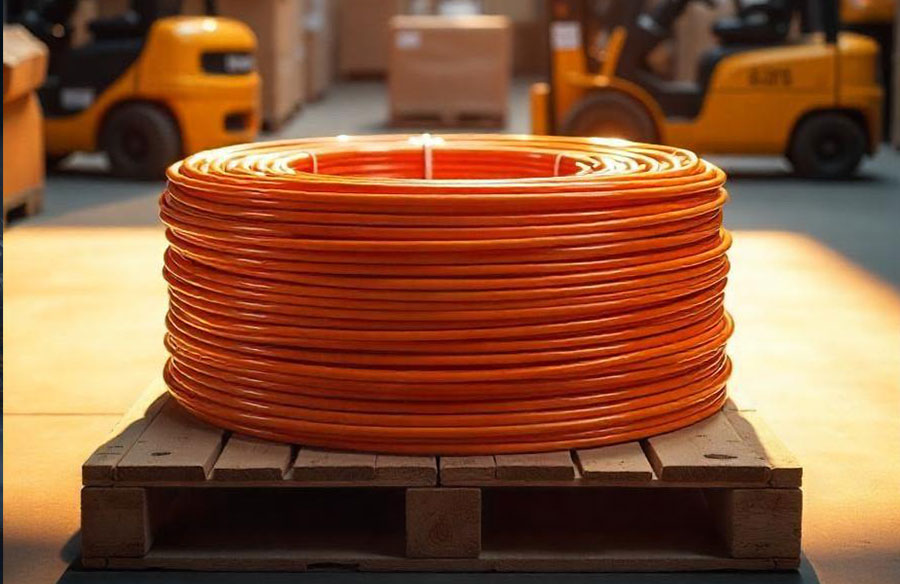
Did you know that improper cabling is a major cause of heat buildup, hardware failure, and many other problems? Therefore, it is essential to ensure that your home’s cabling is done correctly. With the global shifts towards renewable energy sources, solar power became the frontrunner due to its sustainability. Accordingly, the demand for solar cables is projected to grow at a rate of 11.5% from 2025 to 2032. These cables are critical to the solar power system’s safety and efficiency, as they connect numerous components and facilitate the transmission of electricity generated by solar panels. This article will give you a comprehensive analysis of the role of solar cables in residential solar panel installations.
What Are Solar Cables?
Solar cables, also known as photovoltaic cables and PV cables, are cables specifically designed for use in solar power systems. They act as linking units that transmit power to support solar panels with other components such as inverters and batteries. Solar PV cables are unique in various aspects when compared to standard electrical cables. To elaborate, these cables typically feature copper or aluminum conductors insulated with XLPE (Cross-Linked Polyethylene) or PVC, which offers excellent electrical properties and thermal resistance. Additionally, good quality cables are capable of operating in a wide temperature range from -40°C to +90°C, suitable for both hot and cold climates. Moreover, many solar power cables are designed with UV-resistant and fire-retardant properties to ensure safety in case of fire and long-term outdoor use without degradation.
Now that you know what solar cables are, let’s explore their importance in detail.
Importance of Solar Cables in Residential Installations
The significance of solar cables in residential installations goes beyond just transferring electricity. This section will help you understand the main benefits of using them.
Safety and Protection
Solar panel installations require high DC voltages, which, if not managed appropriately, can result in fires and electrical risks. Therefore, high-quality solar power cables are built to withstand arcing and overheating, lowering the possibility of a system failure or fire. Proper cabling also assures adherence to household electrical laws and safety standards.
Efficiency and Performance
Low-quality or incorrectly sized PV cable can cause voltage dips and energy losses. When your home relies on solar energy for its everyday electricity demands, even little losses count. Thus, choosing the appropriate size and kind of solar cable assures peak performance and maximizes your return on investment during the system’s lifetime.
Weather Resistance
Residential systems are subjected to a variety of environmental stresses, including heavy rainfall and direct sunlight. Photovoltaic cables are designed to withstand such conditions without deterioration, splitting, or corrosion. Their strong UV-resistant exterior sheathing protects the interior conductors, ensuring that electricity flows continuously in any condition.
Durability
Due to the sturdy and reliable cable jackets, solar cables have more durability than normal electric cables. Hence, solar cables may last up to around 25 years without much reduction in performance compared to a normal electric cable, which requires replacement in nearly 10 years.
Cost-effective
While higher-quality solar PV cables are more expensive initially, they provide significant long-term cost benefits. Their endurance and dependability eliminate the need for frequent replacements and repairs, resulting in cheaper maintenance expenses. Furthermore, their efficiency guarantees maximum energy output, resulting in higher returns on investment during the system’s lifetime.
Choosing the Right Solar Cables
Selecting the right solar power cables for a residential installation requires attention to several factors. Here are a few;
- Voltage Capacity: It is vital to ensure the cables are rated to handle the maximum voltage in your system.
- Weather resistant ratings: Check the ability of cables to function reliably in extreme weather conditions.
- UV Resistance: Outdoor cables should resist ultraviolet radiation to prevent insulation breakdown.
- Flexibility: High flexibility in cables is required for complex rooftop layouts and tight installations.
- Certifications: Look for cables that meet international standards like TUV, UL, or IEC.
- Cost-effectiveness: Consider all the costs, including installation, maintenance and replacement needs and choose the best value for your long-term investment.
Conclusion
Solar cables are an essential part of every residential solar panel installation. They ensure that the energy from your panels is transferred safely, efficiently, and reliably to the rest of your home. Ignoring the quality or specifications of these cables can jeopardize your system’s performance and durability. If you’re looking for a reliable solar cable manufacturer who delivers quality, safety, and long-term performance, Zable Cable is the one you should look for. Their solar cables are among the best, constructed from the highest grade materials, certified to meet international standards, and built to withstand even the harshest conditions.







