

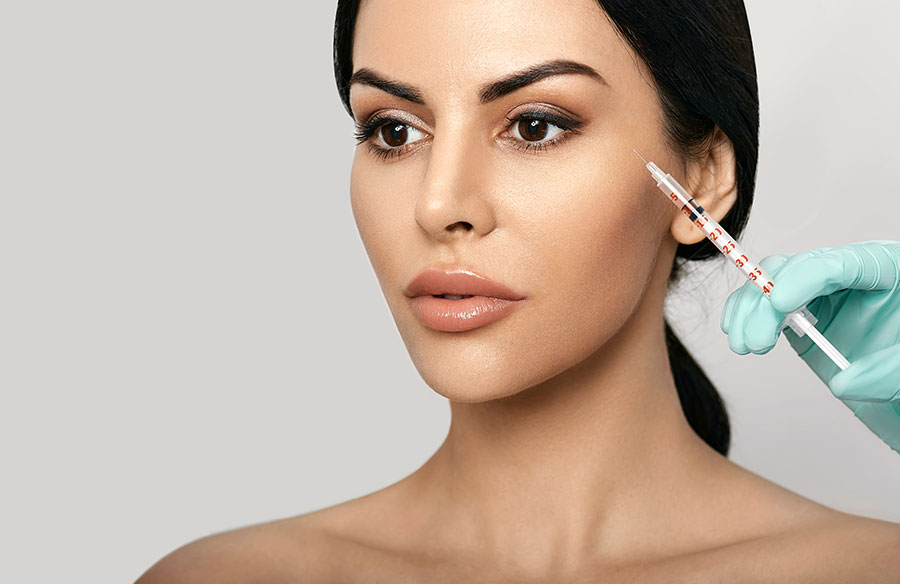
Looking for a way to smooth wrinkles, restore volume, or enhance facial features without surgery? Injectables offer a noninvasive solution for achieving youthful, refreshed skin. These treatments, including neuromodulators, dermal fillers, and bio-stimulators, provide long-lasting results with minimal downtime.
For those struggling with skin texture or breakouts, facials for acne can complement injectables by improving skin clarity. Whether aiming for subtle enhancements or dramatic results, injectables offer cus
tomizable options tailored to individual needs. Explore different types of injectables, their benefits, and what to expect during treatment.
What Are Injectables?
Injectables refer to non-surgical cosmetic treatments that involve injecting substances into the skin to enhance appearance, reduce signs of aging, and improve facial contours. These treatments can be classified into three main categories:
- Neuromodulators (Botox, Dysport, Xeomin, Jeuveau) – Reduce dynamic wrinkles caused by facial expressions.
- Dermal Fillers (Hyaluronic Acid, Collagen Stimulators, Calcium Hydroxylapatite, Poly-L-lactic Acid) – Restore volume, smooth wrinkles, and enhance facial features.
- Biostimulators (Sculptra, Radiesse, PRP/PRF) – Promote collagen production for long-term skin rejuvenation.
Types of Injectables and Their Uses
1. Neuromodulators (Botox, Dysport, Xeomin, Jeuveau)
How They Work:
- These injectables temporarily relax targeted facial muscles, reducing the appearance of dynamic wrinkles.
- They prevent excessive muscle contractions that cause frown lines, crow’s feet, and forehead wrinkles.
Common Treatment Areas:
- Forehead Lines – Smooth horizontal wrinkles on the forehead.
- Crow’s Feet – Reduce fine lines around the outer corners of the eyes.
- Glabellar Lines – Minimize frown lines between the eyebrows.
- Bunny Lines – Softens wrinkles on the nose bridge.
- Lip Flip – Enhances the upper lip’s shape without adding volume.
Results:
- Visible improvement within 3–7 days.
- Lasts between 3–6 months, requiring maintenance treatments.
2. Dermal Fillers (Hyaluronic Acid, Calcium Hydroxylapatite, Poly-L-lactic Acid, PMMA Beads)
How They Work:
- Fillers add volume to areas that have lost collagen, elasticity, or hydration.
- They lift sagging skin, enhance facial contours, and smooth deep wrinkles.
Common Treatment Areas:
- Cheek Augmentation – Restores youthful cheek volume.
- Nasolabial Folds – Fills smile lines between the nose and mouth.
- Lip Enhancement – Adds definition and plumpness to lips.
- Jawline Contouring – Defines the jawline for a sculpted look.
- Under-Eye Hollows – Reduces dark circles and sunken eyes.
Results:
- Immediate plumping effect.
- Longevity depends on the filler type: 6 months to 2 years.
3. Biostimulators (Sculptra, Radiesse, PRP/PRF)
How They Work:
- These injectables stimulate natural collagen production for gradual skin rejuvenation.
- Improve skin elasticity, firmness, and hydration.
Common Treatment Areas:
- Temple and Cheek Volume – Helps lift sagging skin.
- Skin Texture Improvement – Smooths fine lines and acne scars.
- Hand Rejuvenation – Restores volume in aging hands.
Results:
- Effects develop over several weeks to months.
- Long-lasting results, typically 1–2 years.
Benefits of Injectables
1. Non-Surgical & Minimally Invasive
- No need for anesthesia or extensive recovery time.
- Treatments take 15–60 minutes with little to no downtime.
2. Instant or Fast-Acting Results
- Fillers provide immediate volume and smoothing.
- Neuromodulators show visible improvement within a few days.
3. Customizable to Individual Needs
- Aesthetic providers can tailor treatments to specific concerns.
- Adjustable dosages allow natural or more dramatic enhancements.
4. Long-Lasting with Maintenance
- Effects last several months to years, depending on the injectable used.
- Maintenance treatments help sustain youthful results.
5. Enhances Natural Beauty
- Improves facial balance and symmetry without an “overdone” appearance.
- Provides a refreshed, rested, and youthful look.
What to Expect During an Injectable Treatment
1. Consultation and Assessment
- The provider evaluates facial structure, skin concerns, and aesthetic goals.
- Discusses the best treatment plan based on needs and expectations.
2. Preparation and Procedure
- The area is cleansed, and numbing cream may be applied for comfort.
- Injections are administered using fine needles or cannulas.
3. Post-Treatment Care
- Avoid rubbing or massaging the treated area for 24 hours.
- Minimize alcohol, caffeine, and strenuous activities for a day.
- Expect mild swelling or redness, which subsides within a few hours to days.
Common Myths About Injectables
1. Injectables Make You Look “Frozen”
- Neuromodulators soften wrinkles without affecting natural expressions when administered correctly.
2. Fillers Look Unnatural
- Expert injectors use precise techniques for subtle, natural enhancement.
3. Only Older Individuals Need Injectables
- Many people in their 20s and 30s use injectables for preventative aging and facial contouring.
4. Results Are Permanent
- While long-lasting, all injectables require maintenance treatments.
Who Is a Good Candidate for Injectables?
Injectables are suitable for individuals who:
- Want to reduce wrinkles and fine lines?
- Desire plumper lips or enhanced facial contours.
- Prefer non-surgical skin rejuvenation.
- Want to prevent early signs of aging?
Not ideal for:
- Pregnant or breastfeeding individuals.
- Those with active skin infections or allergies to the ingredients.
Conclusion
Injectables provide an effective, non-surgical solution for those looking to enhance their appearance, restore lost volume, or smooth wrinkles. With various options available, including neuromodulators, dermal fillers, and biostimulators, treatments can be tailored to individual needs for natural, long-lasting results.
Ready to enhance your natural beauty? Schedule a consultation at Vivid Skin, Hair & Laser Center today to explore the best injectables and facials for acne for your aesthetic goals!







